

What is a Sawdust Granule Material Handling System Equipment? What Are Its Design Principles?
HeadPowder, a leading engineering company based in Shandong, China, specializes in the design and manufacturing of advanced material handling systems tailored for various industrial applications. One of their core products is the sawdust granule material handling system, which is engineered to efficiently transport and process granular materials like sawdust in manufacturing and processing facilities.
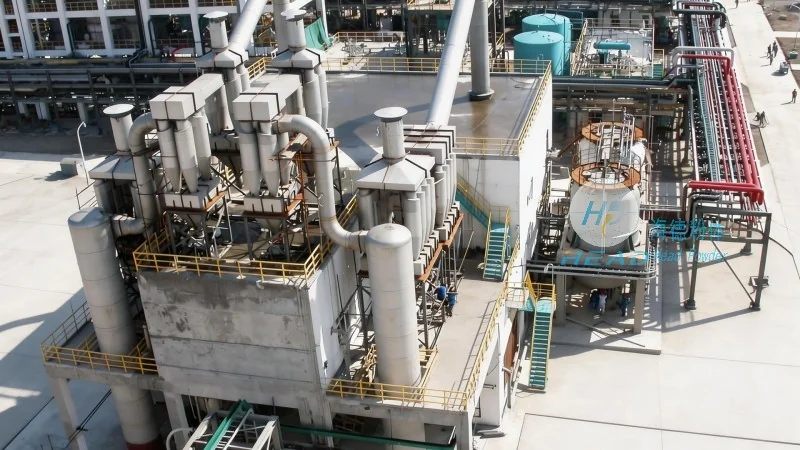
Understanding the Sawdust Granule Material Handling System
The sawdust granule material handling system is a specialized piece of equipment designed to handle the transportation of sawdust and other similar granular materials. These systems are crucial in industries such as woodworking, paper manufacturing, and biomass energy production, where the efficient movement of raw materials is essential for operational efficiency and productivity. The system typically consists of components like hoppers, conveyors, and control units that work in tandem to ensure smooth and reliable material flow.
Design Principles of the Sawdust Granule Material Handling System
The design of the sawdust granule material handling system is guided by several key principles aimed at optimizing performance, durability, and safety. First, the system is engineered to handle the unique properties of sawdust, including its lightweight nature, tendency to create dust, and potential for clogging in traditional conveying systems. To address these challenges, the design incorporates features like high-capacity hoppers with anti-dust seals and specialized conveyor belts or screw conveyors that minimize material degradation and ensure consistent flow.
Second, the system prioritizes energy efficiency and operational cost reduction. By using advanced motor controls and optimized conveyor designs, the system minimizes energy consumption while maintaining high throughput rates. This is achieved through variable frequency drives (VFDs) that adjust motor speed based on the material load, ensuring that the system operates only as needed. Additionally, the use of durable materials, such as stainless steel or corrosion-resistant alloys, extends the lifespan of the equipment and reduces maintenance costs over time.
Third, safety is a paramount consideration in the design. The system includes safety features like emergency stop buttons, overload protection, and dust suppression mechanisms to prevent accidents and ensure compliance with industrial safety standards. The control units are equipped with user-friendly interfaces that allow operators to monitor system performance and adjust settings as required, enhancing both safety and operational control.
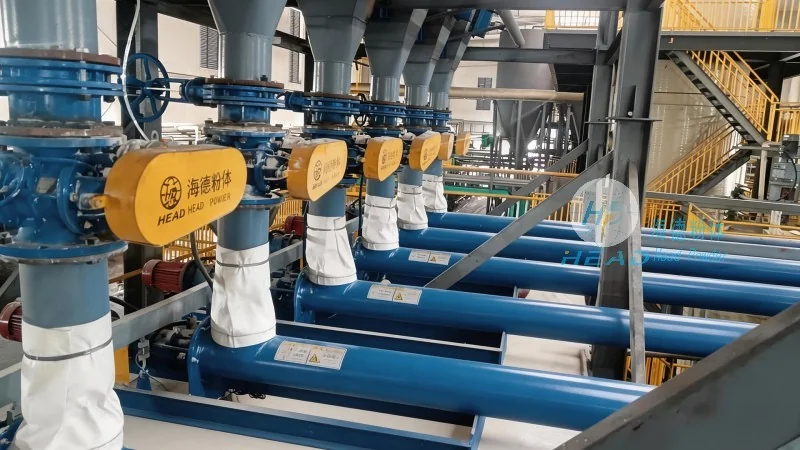
Fourth, the system is designed for easy integration into existing production lines. The modular design allows for flexible installation and configuration, enabling the system to be adapted to different production environments and material handling requirements. This flexibility is particularly valuable in industries where production processes may change or expand over time, as the system can be easily scaled or modified to meet new demands.
Key Components and Their Functions
The sawdust granule material handling system comprises several critical components, each playing a vital role in the overall operation. The primary components include:
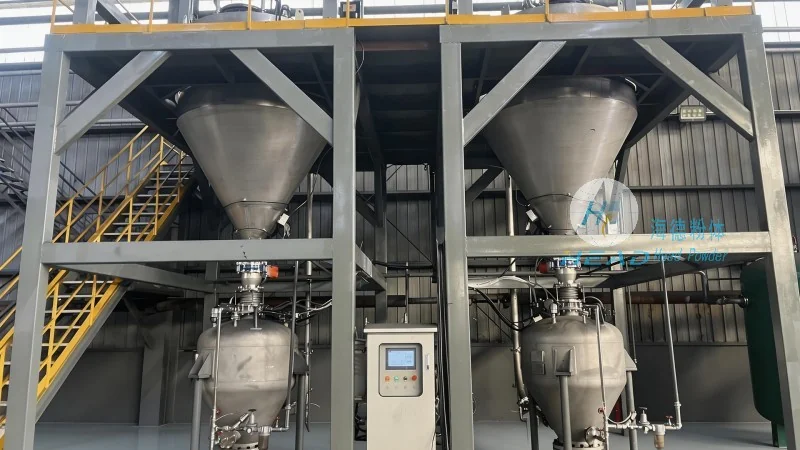
1. **Hopper**: The hopper is the initial component where raw sawdust is loaded. It is designed with a large capacity to accommodate bulk material and features a sloped bottom to facilitate smooth material flow into the conveyor. Anti-dust seals are integrated into the hopper to prevent dust from escaping and to maintain a clean working environment.
2. **Conveyor System**: The conveyor is the core of the material handling system, responsible for transporting the sawdust from the hopper to the processing or storage area. Depending on the application, the conveyor may be a belt conveyor, screw conveyor, or pneumatic conveyor. For sawdust, a screw conveyor is often preferred due to its ability to handle dry, granular materials without the need for additional lubrication or the risk of material sticking to the conveyor surface.
3. **Control Unit**: The control unit is the brain of the system, managing all operational functions. It includes sensors to monitor material levels, motor controls to adjust conveyor speed, and safety interlocks to prevent accidents. The control unit is typically equipped with a user interface that allows operators to start, stop, and adjust the system parameters, ensuring precise control over the material handling process.
4. **Dust Suppression System**: Given that sawdust is a fine, airborne material, a dust suppression system is often integrated into the design to control dust emissions. This system may include filters, misting nozzles, or enclosed conveyor sections to capture and contain dust, improving air quality and compliance with environmental regulations.
Benefits of Using the Sawdust Granule Material Handling System
Implementing a sawdust granule material handling system offers numerous benefits for industrial operations. First, it significantly improves material handling efficiency by reducing the time and labor required to transport sawdust. The automated system can operate continuously, minimizing downtime and increasing overall productivity. Second, the system enhances safety by controlling dust and preventing material-related accidents, which reduces the risk of workplace injuries and associated costs.
Third, the system contributes to cost savings through energy efficiency and reduced maintenance. By optimizing motor usage and using durable materials, the system lowers operational costs over its lifespan. Additionally, the modular design allows for easy upgrades or modifications, extending the system's useful life and protecting the investment.
Fourth, the system supports environmental compliance by controlling dust emissions and reducing waste. The enclosed design and dust suppression features help meet environmental regulations, ensuring that the operation remains sustainable and responsible. This is particularly important in industries where environmental impact is a key concern.