

What is a Flower Biomass Material Handling System Equipment? What are its Design Principles?
Flower biomass material handling systems are specialized equipment engineered to efficiently transport and process organic materials derived from flowers and other plant sources. These systems are critical in industries such as horticulture, agriculture, and bioenergy, where the handling of biomass is essential for converting raw materials into usable products like compost, biofuels, or animal feed. Understanding the equipment and its design principles is key to optimizing operational efficiency and ensuring sustainable material management.
Overview of Flower Biomass Material Handling Systems
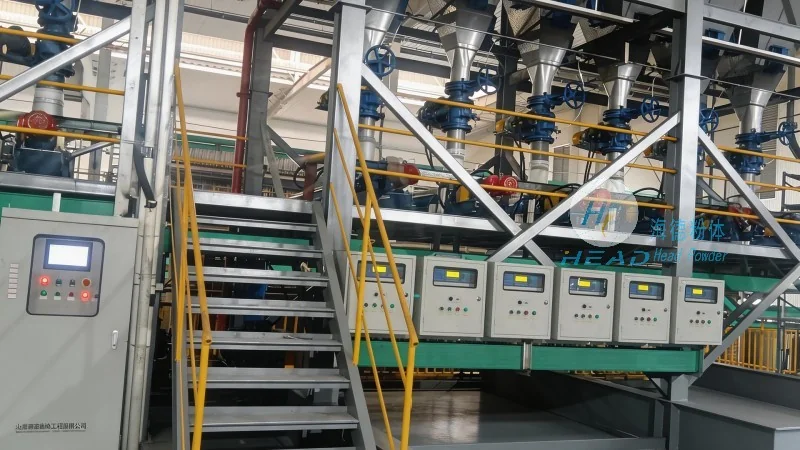
Flower biomass material handling systems are designed to handle various organic materials, including flower petals, stems, leaves, and other plant residues. The primary objective of these systems is to facilitate the movement of biomass from collection points to processing facilities. This involves several integrated components that work in tandem to ensure smooth and efficient operation. The system typically includes feeding mechanisms, conveyors, storage units, and processing equipment, all tailored to handle the unique characteristics of flower-derived biomass.
Key Components and Their Functions
The effectiveness of a flower biomass material handling system relies on its integrated components, each serving a specific function in the material flow process. The feeding mechanism is responsible for collecting and delivering the biomass into the system. This may involve hoppers, chutes, or automated feeding devices capable of handling different types of flower materials, from fresh petals to dried stems. The conveyor system then transports the biomass through the system, utilizing technologies like belt conveyors, screw conveyors, or pneumatic systems to move materials horizontally or vertically. Storage units are integrated to temporarily hold biomass before processing, ensuring a steady supply to downstream equipment. Finally, processing equipment such as grinders, mixers, or driers prepares the biomass for further use, adapting its properties to meet specific application requirements.
Design Principles for Efficient Material Handling
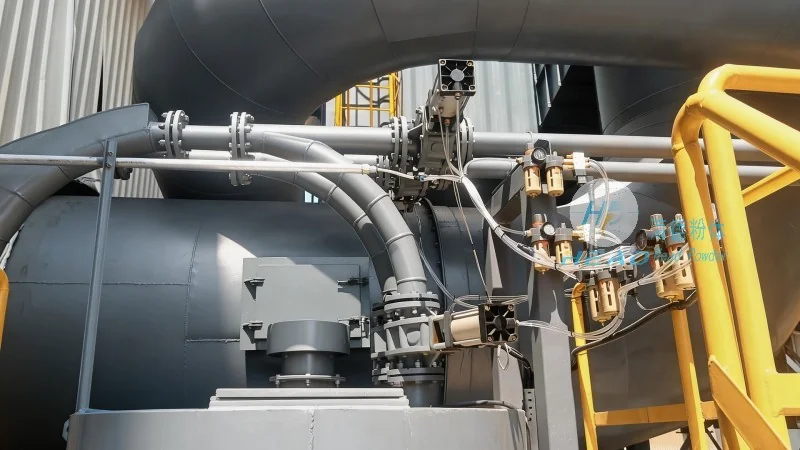
Designing an effective flower biomass material handling system requires careful consideration of several principles to maximize efficiency and minimize operational costs. One key principle is the optimization of material flow, ensuring that the biomass moves smoothly from one stage to the next without bottlenecks or blockages. This involves proper sizing of components, such as conveyor belts and hoppers, to match the volume and density of the biomass being handled. Another critical principle is the selection of appropriate materials for construction, as flower biomass can be abrasive or contain moisture, which may affect equipment durability. Stainless steel or corrosion-resistant materials are often used to prevent degradation and maintain hygiene standards. Additionally, the system should incorporate features for easy maintenance and cleaning, as organic materials can accumulate and require regular upkeep to prevent clogging or contamination.
Operational Considerations and Maintenance
Proper operation and maintenance are essential for the long-term performance of flower biomass material handling systems. Regular inspections and cleaning of components, such as conveyor belts and feeding mechanisms, help prevent blockages and ensure consistent material flow. The system should also be equipped with monitoring tools to detect issues early, such as overloading or material jams, allowing for timely intervention. Additionally, the design should consider energy efficiency, as the operation of conveyors and processing equipment consumes significant power. Implementing energy-saving measures, such as variable speed drives or optimized conveyor systems, can reduce operational costs while maintaining performance. Proper training of operators is also crucial to ensure safe and efficient operation, as flower biomass handling may involve handling heavy equipment or working with moving parts.
Applications and Industry Impact
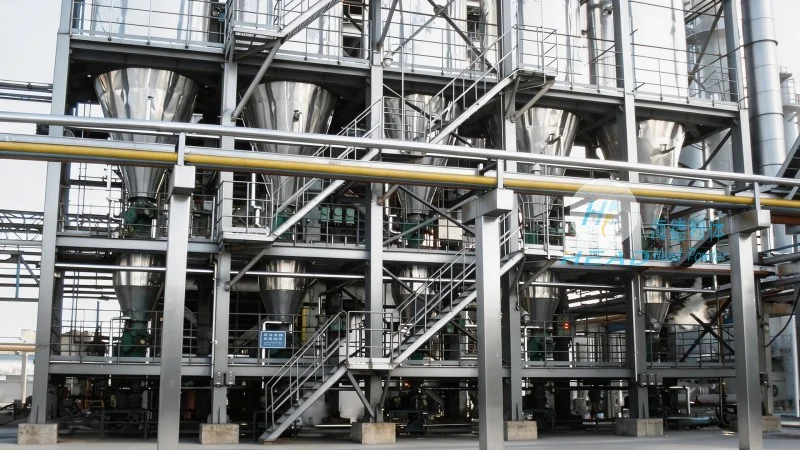
Flower biomass material handling systems have a wide range of applications across various industries. In the horticulture sector, these systems are used to process flower waste into compost, which can be used as a natural fertilizer for soil enrichment. In the bioenergy industry, the biomass is converted into biofuels, providing a renewable energy source. Additionally, the processed biomass can be used as animal feed, contributing to sustainable livestock management. The efficient handling of flower biomass not only reduces waste but also promotes circular economy practices, where organic materials are recycled and reused rather than disposed of as waste. This approach supports environmental sustainability and reduces the environmental impact of flower cultivation and processing.
Conclusion
Flower biomass material handling systems are sophisticated equipment designed to efficiently manage organic materials from flower sources. By understanding the key components, design principles, and operational considerations, industries can optimize their material handling processes, leading to increased efficiency, reduced costs, and enhanced sustainability. The integration of advanced technologies and careful design ensures that these systems can handle the unique challenges of flower biomass, providing reliable and effective solutions for various applications. As the demand for sustainable materials and renewable energy grows, the importance of efficient flower biomass handling systems will continue to increase, supporting the development of a more sustainable and environmentally friendly industry.