

What is Magnesia Powder Pneumatic Conveying? And What Are Its Design Principles?
Magnesia powder, a vital material in various industrial sectors such as refractory manufacturing, chemical processing, and construction, often demands efficient and reliable transportation methods. Pneumatic conveying has emerged as a preferred technique for handling magnesia powder due to its ability to minimize dust, enhance safety, and improve process control. This article explores the concept of magnesia powder pneumatic conveying and delves into the fundamental design principles that underpin its effective operation.
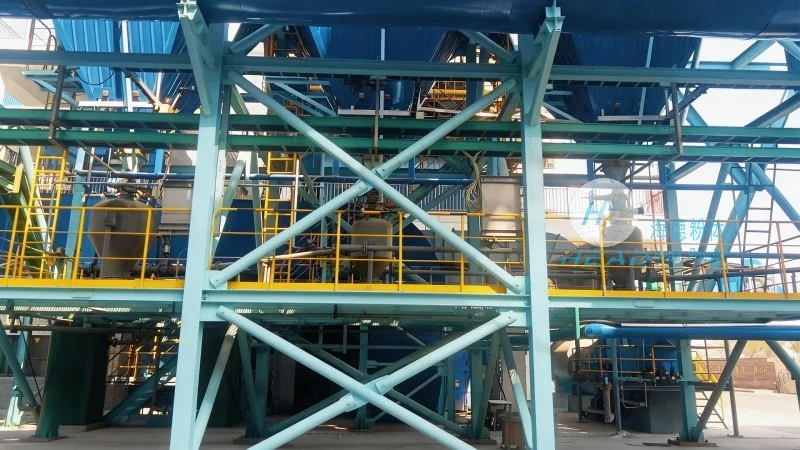
Understanding Magnesia Powder Pneumatic Conveying
Magnesia powder, primarily composed of magnesium oxide (MgO), is characterized by its fine particle size and relatively low density. These properties make traditional bulk handling methods, like belt conveyors or bucket elevators, less effective, as they often lead to dust accumulation, material segregation, and operational inefficiencies. Pneumatic conveying addresses these challenges by utilizing a pressurized air stream to transport the powder through a closed system, ensuring a clean, controlled, and efficient transfer of material from the source to the destination.
Key Design Principles of Pneumatic Conveying Systems
The success of a magnesia powder pneumatic conveying system hinges on several critical design principles. Firstly, the system must be tailored to the specific properties of magnesia powder, including its particle size distribution, moisture content, and flowability. This involves selecting appropriate air velocities and pressure levels to prevent particle segregation, maintain consistent flow, and avoid pipeline blockages. Secondly, the system's components—such as the feeder, pipeline, and receiver—must be constructed from materials resistant to the chemical and thermal characteristics of magnesia, preventing corrosion and degradation over time. For instance, stainless steel or specialized alloys are commonly used to withstand the abrasive nature of magnesia particles and the potential for high temperatures during processing.
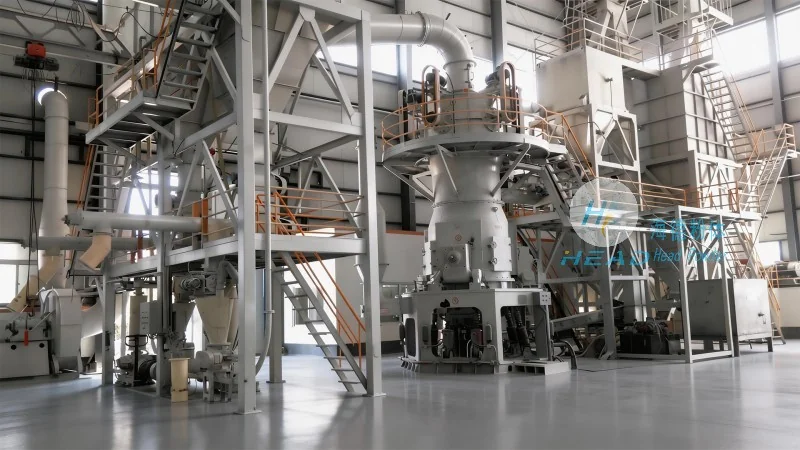
Components and Functionality of Pneumatic Conveying Systems
A typical magnesia powder pneumatic conveying system comprises several essential components, each playing a crucial role in the overall operation. The feeder is responsible for introducing the powder into the system, often using a rotary valve or a venturi feeder to maintain a consistent flow rate. The pipeline, typically made of stainless steel or other corrosion-resistant materials, transports the powder-air mixture. The receiver, equipped with a dust collection system, collects the powder at the destination point, ensuring minimal loss and compliance with environmental regulations. The air compressor or blower provides the necessary pressure to drive the material through the system, with the system's design optimized to balance energy efficiency and conveying capacity. For example, the choice of air velocity (typically ranging from 20 to 30 m/s for fine powders) and pressure (often between 0.5 to 1.5 bar) is critical to achieving optimal performance.
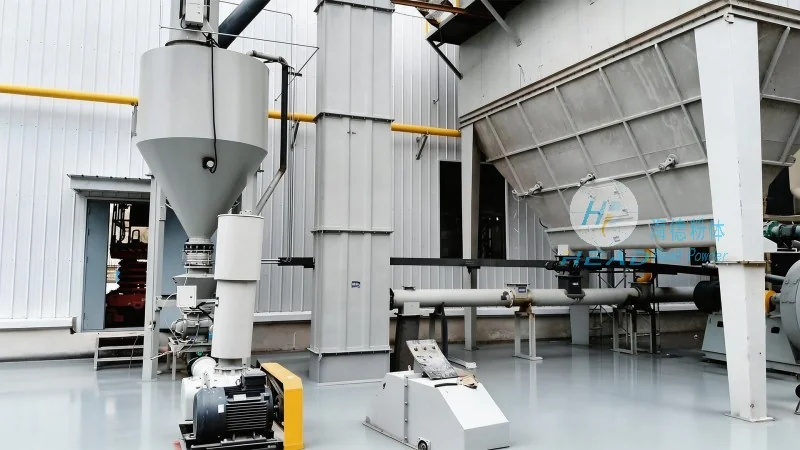
Advantages of Magnesia Powder Pneumatic Conveying
Compared to traditional handling methods, pneumatic conveying offers several distinct advantages for magnesia powder. It eliminates the need for mechanical contact with the powder, reducing wear and tear on equipment and minimizing the risk of contamination. The closed system also prevents dust emissions, making it more environmentally friendly and safer for operators. Additionally, pneumatic conveying allows for precise control over the material flow rate and pressure, enabling better integration with downstream processes and improved overall process efficiency. This precision is particularly valuable in applications where consistent material quality is critical, such as in the production of refractory bricks or chemical intermediates.
Considerations for Designing an Effective System
Designing an effective magnesia powder pneumatic conveying system requires careful consideration of several factors to ensure optimal performance and longevity. The system's capacity must be matched to the production requirements, ensuring that it can handle the desired flow rate without causing bottlenecks or excessive energy consumption. The choice of air velocity and pressure is critical, as too low a velocity may lead to particle deposition in the pipeline, while too high a velocity can increase energy costs and cause wear on components. Additionally, the system's layout and the positioning of components must be optimized to minimize pressure drops and ensure smooth material transport. For instance, the use of bends, elbows, and expansion joints in the pipeline is essential to maintain the air velocity and prevent particle accumulation. Regular maintenance and monitoring of the system are also essential to maintain its performance and address any issues promptly, such as clogging or pressure loss.