Design Calculation and Equipment Selection for Micropellet Powder Pneumatic Conveying
Release time:2026-09-10 18:53:00
name of the company:Shandong Headpowder Engineering Co., Ltd.
telephone:156-6277-7102
contacts:Zhang manager
For industrial applications involving the transportation of micropellet powders, the design and selection of appropriate pneumatic conveying systems are critical to ensure efficient, reliable, and cost-effective material handling. This document provides a comprehensive overview of the key considerations, calculations, and equipment choices involved in the design of micropellet powder pneumatic conveying systems, tailored to the needs of clients seeking professional engineering solutions.
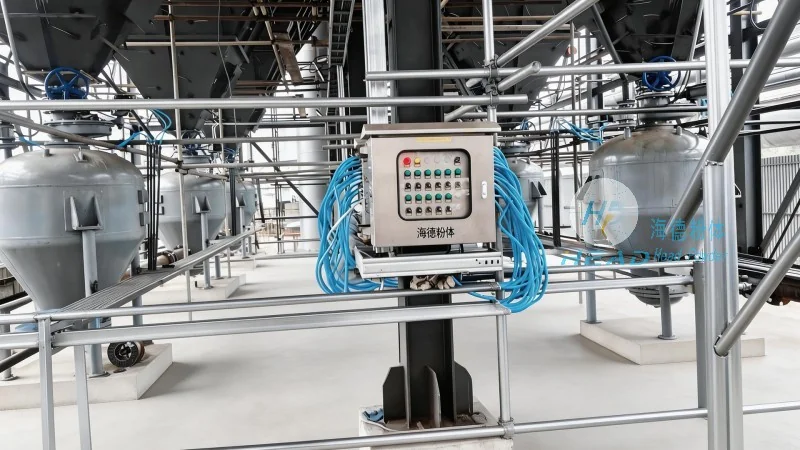
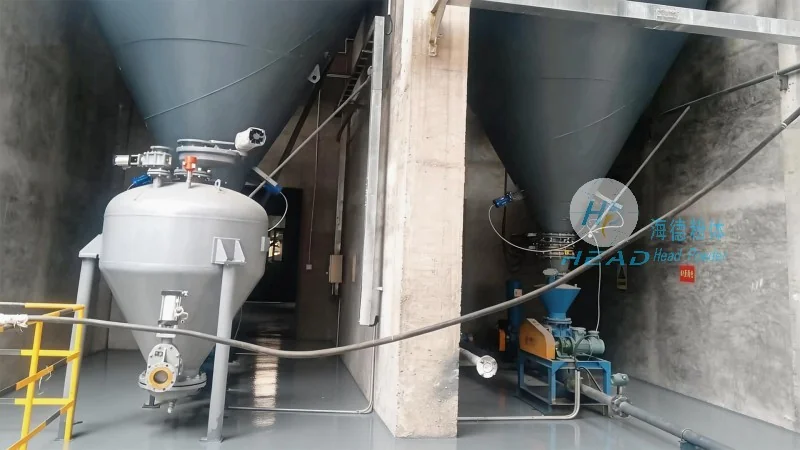
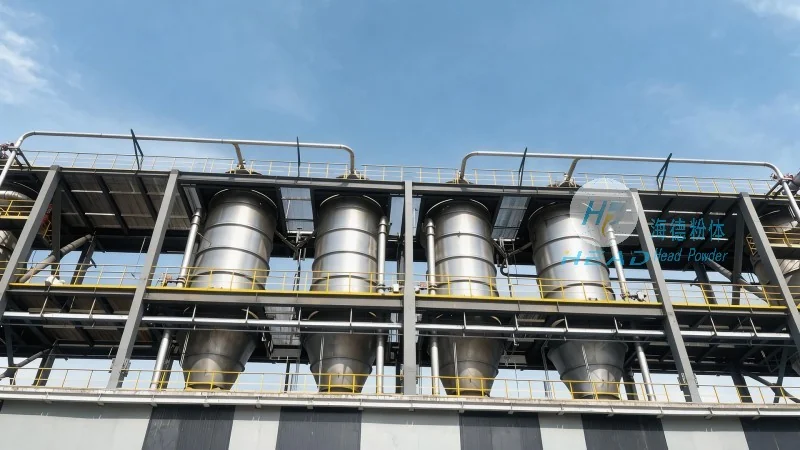
Company Overview: Shandong HeadPowder Engineering Co., Ltd.
HeadPowder, a leading engineering firm based in Shandong, China, specializes in the design, manufacturing, and installation of advanced pneumatic conveying systems. With a focus on micropellet powder applications, the company leverages decades of industry experience to deliver customized solutions that meet the unique requirements of each project. The company’s team of skilled engineers and technicians work closely with clients to understand their operational needs, ensuring that the final system is optimized for performance, durability, and long-term reliability.
Key Design Considerations for Micropellet Powder Pneumatic Conveying
The successful design of a micropellet powder pneumatic conveying system begins with a thorough analysis of the material properties and operational conditions. Micropellet powders, characterized by their small particle size (typically 0.1-2 mm) and specific density, present unique challenges in terms of flowability, dust generation, and pressure drop. Key design considerations include:




