For industries dealing with arsenic trioxide, efficient and reliable material handling is crucial. The design of a pneumatic conveying system for arsenic trioxide requires careful consideration of material properties, safety protocols, and operational efficiency. This article outlines the key aspects of designing such a system, focusing on the technical and practical considerations that ensure safe and effective transport of arsenic trioxide.
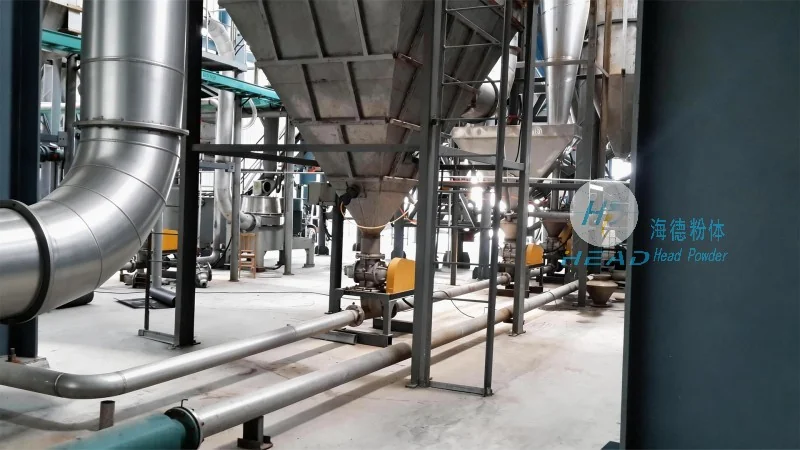
Company Overview: Shandong HeadPowder Engineering Co., Ltd.
Headpowder, a leading engineering firm based in Shandong, China, specializes in the design and implementation of advanced material handling solutions. With a strong commitment to safety and innovation, Headpowder provides comprehensive services tailored to the unique needs of industries working with hazardous materials like arsenic trioxide. The company’s expertise in pneumatic conveying systems ensures that clients receive customized solutions that meet both regulatory requirements and operational objectives.
Key Design Considerations for Arsenic Trioxide Pneumatic Conveying
The successful design of an arsenic trioxide pneumatic conveying system hinges on several critical factors. First, the chemical and physical properties of arsenic trioxide must be thoroughly understood. Arsenic trioxide is a toxic, fine powder that can pose significant health risks if not handled properly. Therefore, the system design must incorporate robust containment measures and filtration systems to prevent dust exposure and environmental contamination. Additionally, the material’s reactivity and potential for agglomeration need to be addressed to ensure consistent flow and prevent blockages in the conveying lines.
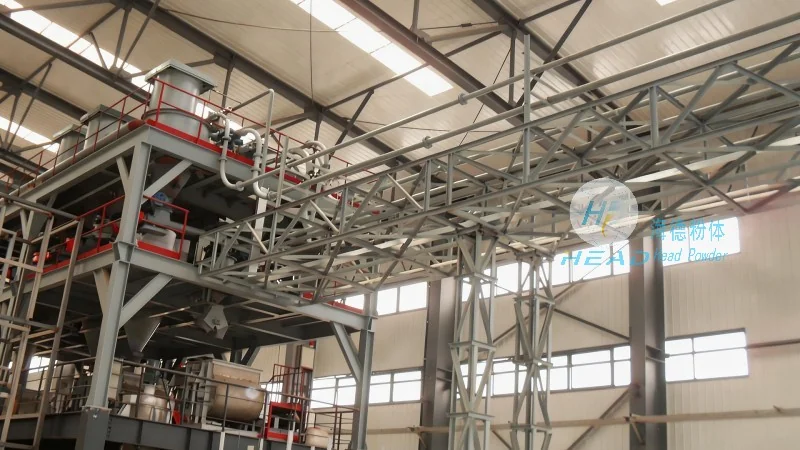
Second, the system must adhere to stringent safety and environmental regulations. Given the hazardous nature of arsenic trioxide, compliance with local and international standards is non-negotiable. This includes proper ventilation, dust collection, and emergency shutdown procedures. The design also considers the use of corrosion-resistant materials, as arsenic trioxide can be corrosive under certain conditions, ensuring the longevity and reliability of the equipment.
Third, operational efficiency is a key consideration. The system should be optimized for minimal energy consumption while maintaining high throughput. This involves selecting the appropriate air velocity, pipeline diameter, and pressure levels that balance performance with cost-effectiveness. The use of advanced control systems allows for real-time monitoring and adjustment of the conveying process, enhancing overall system performance and reducing downtime.
Components of a Typical Arsenic Trioxide Pneumatic Conveying System
A standard arsenic trioxide pneumatic conveying system typically consists of several key components. The system begins with a material feed hopper, which stores and feeds the arsenic trioxide into the conveying line. The hopper is equipped with a rotary valve or feeder to control the flow rate, ensuring a consistent and controlled input of material. Next, the material is introduced into a conveying line, which can be either positive or negative pressure depending on the application. Positive pressure systems use blowers to push the material through the line, while negative pressure systems use vacuum to draw the material.
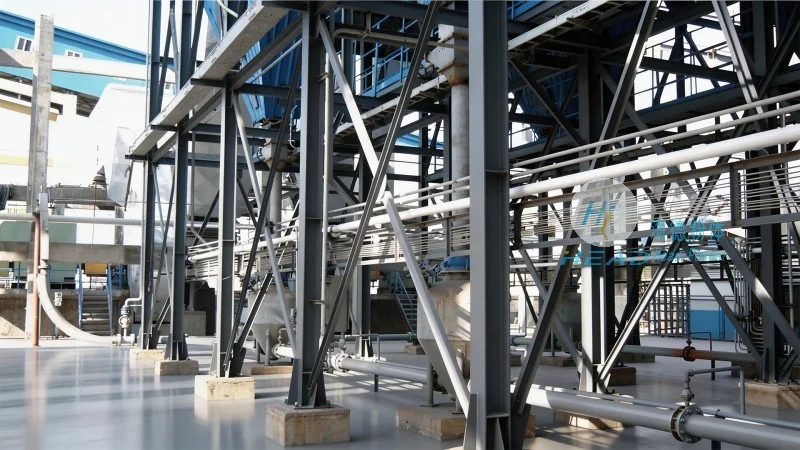
The conveying line itself is made of materials resistant to arsenic trioxide, such as stainless steel or specialized polymers, to prevent corrosion and material degradation. Along the line, there are various components including bends, elbows, and filters to maintain the material’s flow and capture any dust particles. The system also includes a dust collection and filtration unit, which is essential for capturing and neutralizing any airborne particles to protect both personnel and the environment.
At the end of the conveying line, a receiving hopper or storage tank collects the material. The system may also include a de-dusting or cleaning mechanism to remove any residual material from the line, ensuring that the system remains clean and operational. The control panel, equipped with sensors and monitoring devices, allows operators to track the system’s performance and make adjustments as needed.
Benefits of Implementing an Advanced Pneumatic Conveying System for Arsenic Trioxide
Adopting a well-designed pneumatic conveying system for arsenic trioxide offers numerous benefits for industrial operations. Firstly, it enhances safety by minimizing direct human contact with the hazardous material. The enclosed system reduces the risk of dust exposure and inhalation, protecting workers from health hazards associated with arsenic trioxide. Secondly, it improves operational efficiency by automating the material handling process, reducing labor costs and increasing throughput. The system’s ability to handle fine powders without agglomeration ensures consistent product quality and reduces the need for manual intervention.
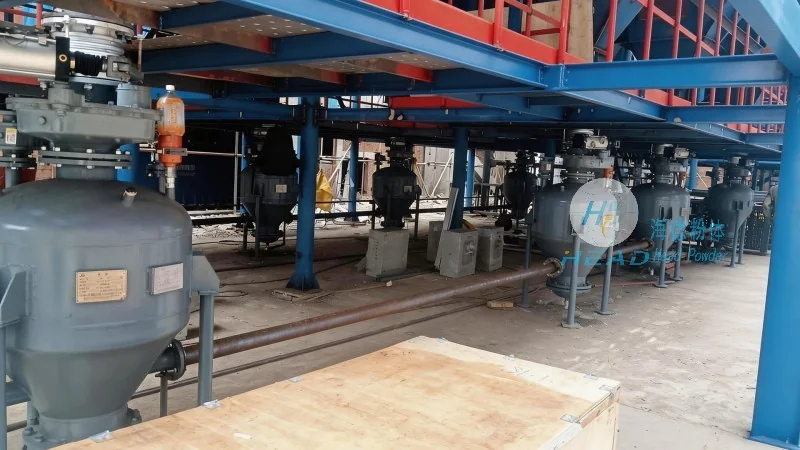
Thirdly, the system contributes to environmental sustainability by preventing material loss and reducing waste. The efficient filtration and containment measures ensure that no arsenic trioxide is released into the environment, complying with environmental regulations and minimizing the company’s ecological footprint. Additionally, the energy-efficient design of modern systems helps reduce operational costs and carbon emissions, aligning with sustainability goals.
Finally, the advanced control systems provide real-time data and insights, enabling proactive maintenance and troubleshooting. This reduces downtime and increases the system’s overall reliability, ensuring that production processes run smoothly and consistently. By investing in a high-quality pneumatic conveying system, industries can achieve a balance between safety, efficiency, and sustainability, ultimately enhancing their competitive advantage in the market.




