Stainless steel bulk bag material conveying lines are advanced industrial systems designed to efficiently handle and transport bulk materials in large quantities. These systems are widely used in various industries, including chemical, food processing, pharmaceuticals, and construction, due to their durability, hygiene, and cost-effectiveness. This article, developed by Shandong HeadPowder Engineering Co., Ltd. (headpowder), will explore the working principle and key features of such conveying lines, providing a comprehensive understanding of their functionality and benefits.
Introduction to Stainless Steel Bulk Bag Material Conveying Lines
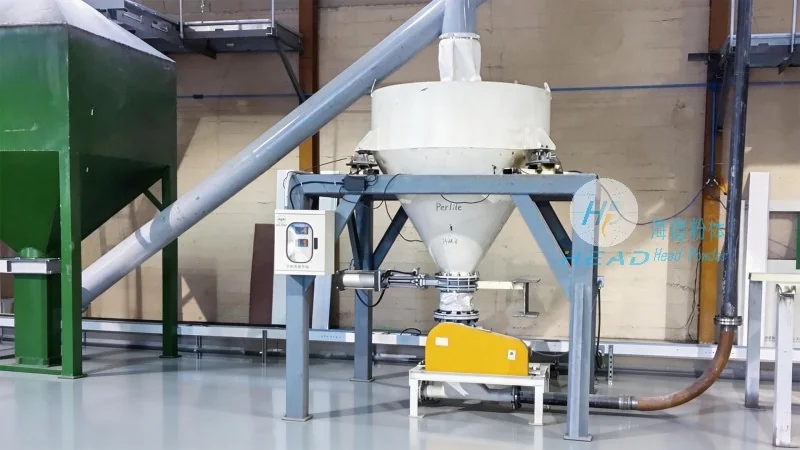
Stainless steel bulk bag material conveying lines are specialized equipment that facilitate the transfer of bulk materials from bulk bags (also known as flexible intermediate bulk containers, FIBCs) into processing equipment or storage facilities. The primary goal of these systems is to ensure a smooth, controlled, and efficient flow of materials while maintaining high standards of cleanliness and safety. The design of these lines typically incorporates stainless steel components to resist corrosion and maintain hygiene, making them suitable for applications where material purity is critical.
Working Principle of Stainless Steel Bulk Bag Material Conveying Lines
The working principle of a stainless steel bulk bag material conveying line involves several key steps and components working in coordination. The process generally starts with the placement of a bulk bag onto a loading platform or hopper. The system then uses a combination of mechanical and pneumatic mechanisms to open the bag, release the material, and transport it to the desired destination. Here's a detailed breakdown of the typical workflow:
1. **Bulk Bag Placement and Sealing**: The bulk bag is positioned on a stainless steel frame or hopper, which is designed to support the bag's weight and provide a stable base. The bag is then sealed securely to prevent material spillage or contamination. This step ensures that the material remains contained until it is ready for processing.
2. **Material Discharge and Transfer**: Once the bag is sealed, the system uses a series of valves, gates, and conveyor mechanisms to discharge the material. The most common method involves a bottom discharge system where the bag is opened at the bottom, allowing the material to flow into a conveyor or hopper. In some designs, a pneumatic or mechanical device is used to agitate the bag, ensuring complete discharge of the material.
3. **Conveyor System Operation**: The discharged material is then transported through a stainless steel conveyor system, which may include belt conveyors, screw conveyors, or pneumatic conveying lines. The conveyor system is designed to handle the bulk material efficiently, minimizing material degradation and ensuring a consistent flow rate. The stainless steel construction of the conveyor components prevents corrosion and maintains hygiene, which is crucial for industries dealing with sensitive materials.
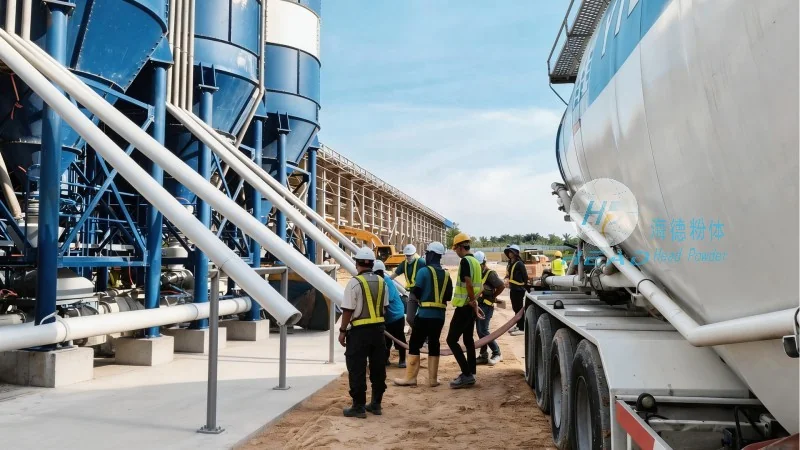
4. **Material Dosing and Control**: The conveying line is equipped with control mechanisms to regulate the flow rate of the material. This may include variable speed drives, flow meters, or sensors that monitor the material level in the hopper or conveyor. These controls ensure that the material is delivered to the processing equipment at the desired rate, preventing overloading or underloading of the equipment.
5. **Material Transfer to Processing Equipment**: The final step involves transferring the material from the conveying line to the processing equipment, such as mixers, reactors, or storage tanks. The system may use a discharge valve or a transfer pump to move the material into the processing unit. The stainless steel components of the transfer system maintain the material's purity and prevent contamination during the transfer process.
Key Features of Stainless Steel Bulk Bag Material Conveying Lines
Stainless steel bulk bag material conveying lines offer several distinct features that make them ideal for industrial applications. These features enhance the system's performance, reliability, and adaptability. The following are some of the most important characteristics:
1. **Durability and Corrosion Resistance**: The primary feature of these conveying lines is the use of stainless steel in all critical components. Stainless steel is highly resistant to corrosion, rust, and chemical attack, which is essential for applications involving harsh chemicals or moisture. This durability ensures a long service life and minimal maintenance requirements, reducing downtime and operational costs.
2. **Hygienic Design**: The stainless steel construction and smooth surfaces of the conveying line components make them easy to clean and sanitize. This is particularly important in industries such as food processing, pharmaceuticals, and cosmetics, where hygiene is a top priority. The absence of crevices or rough surfaces prevents the accumulation of material residues, which can harbor bacteria or other contaminants.
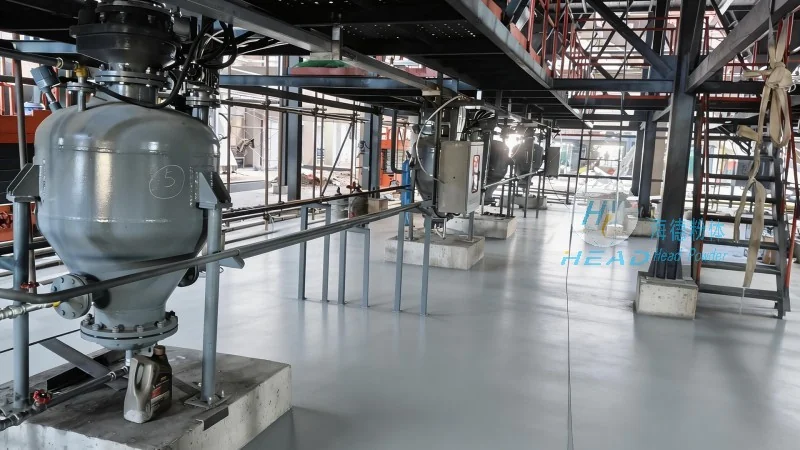
3. **Efficient Material Handling**: These conveying lines are designed to handle large quantities of bulk materials efficiently. The combination of bulk bag discharge mechanisms and conveyor systems allows for a continuous and controlled flow of material, reducing the need for manual handling and improving overall productivity. The systems can handle various material types, including powders, granules, and liquids, with minimal degradation.
4. **Versatility and Customization**: Stainless steel bulk bag material conveying lines are highly versatile and can be customized to meet the specific requirements of different industries and applications. The systems can be configured with different conveyor types, discharge mechanisms, and control systems to suit various material characteristics and processing needs. This flexibility allows companies to adapt the system to their unique operational requirements.
5. **Safety and Reliability**: The design of these conveying lines incorporates safety features to prevent accidents and ensure reliable operation. For example, the systems may include overload protection, emergency stop buttons, and material flow sensors to detect blockages or other issues. The stainless steel construction also provides a high level of safety by preventing material contamination and ensuring that the system can withstand harsh operating conditions.
Applications and Benefits in Industrial Settings
Stainless steel bulk bag material conveying lines are used in a wide range of industrial applications where bulk material handling is essential. Some of the key benefits of using these systems include improved efficiency, reduced labor costs, enhanced product quality, and increased safety. The systems are particularly beneficial in industries where material purity and hygiene are critical, such as food and pharmaceutical manufacturing. By automating the material handling process, these systems help companies to streamline their operations and improve their overall productivity.
Conclusion
Stainless steel bulk bag material conveying lines are advanced industrial systems that offer efficient, hygienic, and durable solutions for handling bulk materials. The working principle of these systems involves the coordinated operation of various components, including bulk bag discharge mechanisms, conveyor systems, and control devices. The key features of these lines, such as corrosion resistance, hygienic design, and efficiency, make them ideal for a wide range of industrial applications. By understanding the working principle and features of these conveying lines, companies can make informed decisions about their material handling needs and select the most suitable system for their operations.




