When it comes to maintaining a clean and efficient production environment in industries such as pharmaceuticals, food processing, and electronics manufacturing, the use of dust-free material feeding and conveying lines is essential. These systems are designed to handle bulk materials while preventing contamination and ensuring a controlled, hygienic workflow. In this article, we explore the working principles and key features of such lines, with a focus on the solutions provided by Shandong HeadPowder Engineering Co., Ltd., a leading manufacturer in the field.
Understanding the Working Principle of Dust-Free Material Feeding and Conveying Lines
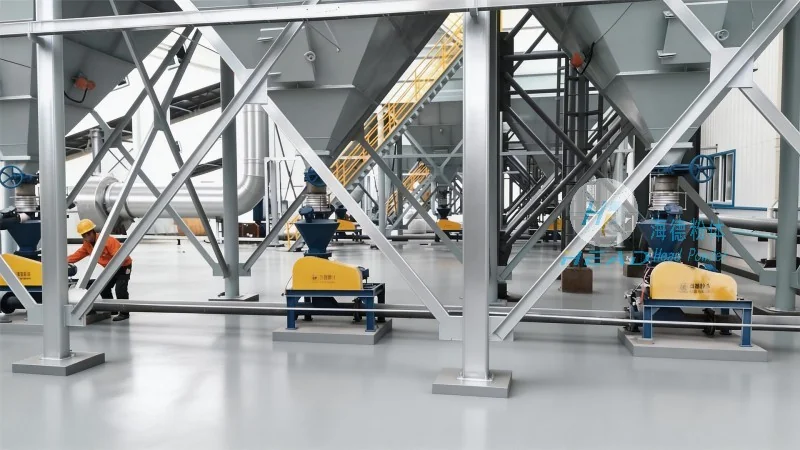
The core function of a dust-free material feeding and conveying line is to transport bulk materials from a storage point to a processing or packaging station without introducing dust or contaminants into the environment. The system typically consists of several components that work in tandem to achieve this goal. At the heart of the operation is a hopper or silo where the material is stored. From there, a feeder mechanism, often a rotary valve or a screw conveyor, regulates the flow of material into a conveyor system. The conveyor itself may be a belt conveyor, a screw conveyor, or a pneumatic conveyor, depending on the material properties and the required level of dust control.
One of the critical aspects of the working principle is the use of sealed and enclosed systems. The entire line is designed to be airtight, with connections between components sealed to prevent dust leakage. This is crucial in industries where product purity and environmental compliance are paramount. The feeding mechanism ensures a consistent and controlled flow of material, which minimizes the risk of overloading or underloading the conveyor. Additionally, the system may incorporate sensors and controls to monitor the material level and adjust the feeding rate as needed, optimizing the overall process efficiency.
Key Features of Dust-Free Material Feeding and Conveying Lines
Shandong HeadPowder Engineering Co., Ltd. offers a range of dust-free material feeding and conveying lines, each equipped with features that enhance performance, safety, and reliability. One of the standout features is the use of high-quality, food-grade or pharmaceutical-grade materials for the construction of the hopper, feeder, and conveyor components. This ensures that the equipment can handle sensitive materials without compromising their quality or purity. The systems are also designed with easy cleaning in mind, featuring smooth surfaces and minimal dead zones that can trap material, reducing the risk of contamination and making maintenance straightforward.
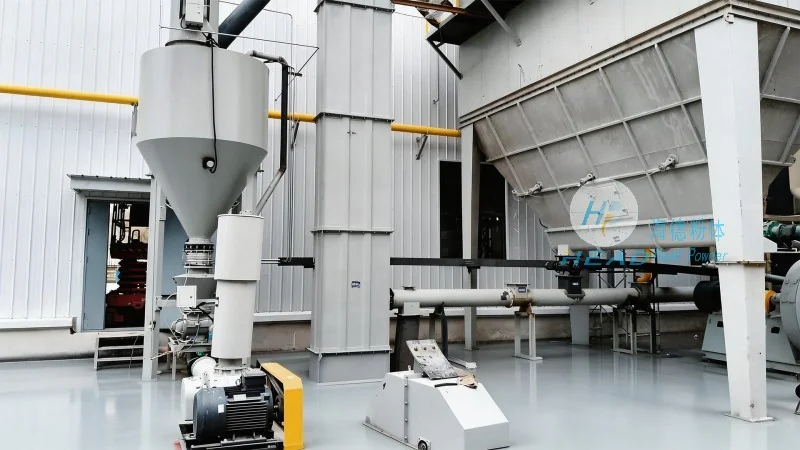
Another important feature is the integration of dust collection and filtration systems. Many of the lines are equipped with built-in dust extraction ports that connect to a central dust collection unit, ensuring that any airborne particles are captured and removed from the production environment. This not only maintains a clean workspace but also helps in meeting regulatory requirements for air quality. The control systems are user-friendly, with intuitive interfaces that allow operators to monitor the system's performance, adjust settings, and receive alerts for any issues, such as material blockages or system malfunctions.
Energy efficiency is also a key consideration in the design of these lines. By using optimized conveyor speeds and feeding mechanisms, the systems minimize energy consumption while maintaining the required throughput. This contributes to lower operational costs and a more sustainable production process. Furthermore, the modular design of the lines allows for easy customization and expansion, enabling businesses to adapt the system as their production needs evolve. This flexibility is particularly valuable for companies that may need to scale up or change their product lines over time.
Applications and Industries Benefiting from Dust-Free Material Handling
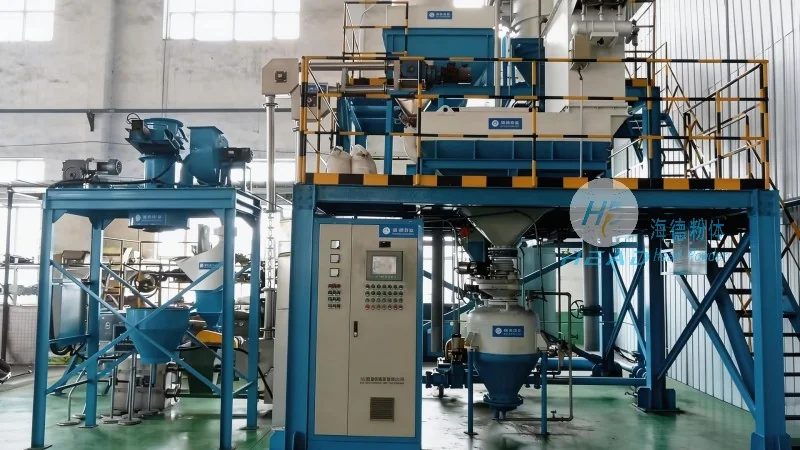
Dust-free material feeding and conveying lines are widely used across various industries where maintaining a clean and controlled environment is critical. In the pharmaceutical industry, these systems are essential for handling active pharmaceutical ingredients (APIs) and other sensitive materials, ensuring that the final products meet stringent purity standards. The food processing industry also relies on these lines for handling ingredients like flour, sugar, and spices, where contamination can have serious health implications. Similarly, in the electronics manufacturing sector, the lines are used to transport powders and granules for circuit board assembly, where even a small amount of dust can cause defects in the final product.
The effectiveness of these systems is demonstrated by their ability to maintain low dust levels in the production area, which not only protects the product quality but also enhances the safety of the workforce. By preventing dust accumulation and the spread of particles, the lines reduce the risk of respiratory issues and other health hazards associated with working with powders. This makes them an indispensable part of modern manufacturing facilities that prioritize both product quality and employee well-being.
Conclusion and Company Overview
Shandong HeadPowder Engineering Co., Ltd. is a reputable manufacturer specializing in the design, development, and production of dust-free material feeding and conveying lines. With a strong commitment to quality and innovation, the company has established itself as a trusted partner for businesses seeking reliable and efficient material handling solutions. The company's headquarters is located in Shandong, China, where it leverages advanced technology and skilled expertise to deliver products that meet the highest industry standards. By combining robust engineering with user-centric design, HeadPowder ensures that its dust-free material feeding and conveying lines not only perform optimally but also contribute to a safer and more productive work environment.




