Calcium oxide, commonly known as quicklime, is a widely used industrial material in sectors such as construction, chemical manufacturing, and environmental treatment. The efficient and reliable transportation of calcium oxide dry powder is crucial for industrial processes, as it directly impacts production efficiency, material quality, and operational safety. This article focuses on the design of a pneumatic conveying system specifically tailored for calcium oxide dry powder, highlighting key considerations, system components, and practical implementation strategies.
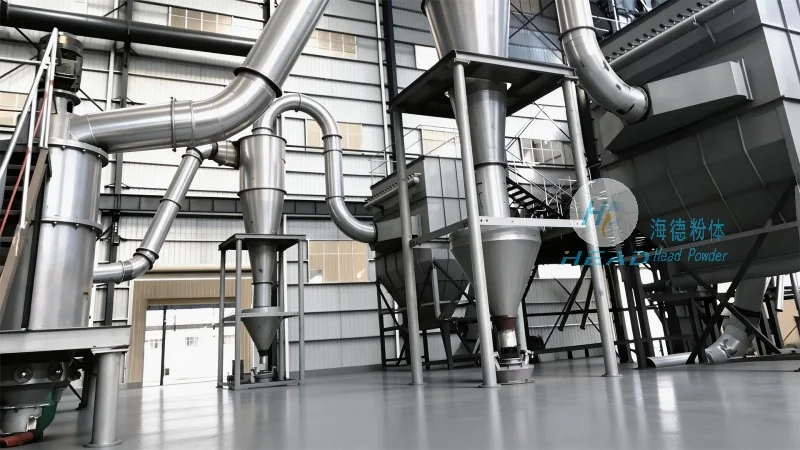
Key Design Considerations for Calcium Oxide Dry Powder Pneumatic Conveying
The design of a pneumatic conveying system for calcium oxide must address several critical factors to ensure optimal performance. First, the physical and chemical properties of calcium oxide, including its particle size distribution, density, and reactivity, significantly influence system selection. Calcium oxide particles are typically fine and can be hygroscopic, which may affect flow characteristics and system efficiency. Second, the required conveying distance and capacity are fundamental parameters that determine the type of pneumatic conveying system—such as dilute-phase or dense-phase systems. Dilute-phase systems are suitable for short to medium distances and high flow rates, while dense-phase systems are preferred for longer distances or when handling sensitive materials to minimize particle degradation. Third, the system must consider the environmental and safety aspects, as calcium oxide dust can be hazardous if not properly contained. Proper dust collection and ventilation systems are essential to comply with industrial safety regulations and protect personnel.
System Components and Working Principle
A typical calcium oxide dry powder pneumatic conveying system consists of several key components, each playing a vital role in the overall operation. The system begins with a material feeding unit, which may include a hopper or a rotary valve to control the flow of calcium oxide from the storage silo. The feeding unit ensures a consistent and controlled supply of material to the conveyor. Next, the air supply system, which typically includes a blower or a positive displacement compressor, generates the necessary airflow to transport the powder. The airflow is directed through a pipeline, where the calcium oxide particles are suspended and conveyed to the destination. The pipeline design, including the diameter and length, is critical to maintain the desired conveying velocity and prevent particle deposition or blockages. At the receiving end, a separation unit, such as a cyclone or a bag filter, separates the powder from the air stream, allowing the calcium oxide to be collected in a designated container. Finally, a dust collection system, including filters and exhaust fans, ensures that any residual dust is captured and safely discharged, maintaining environmental compliance.
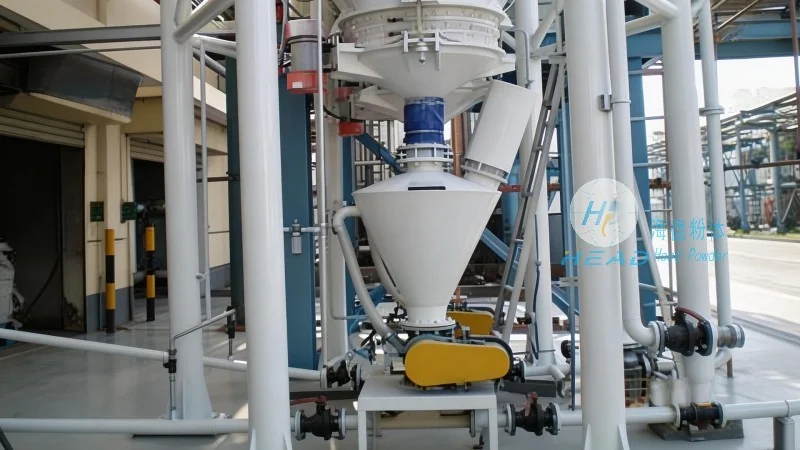
Material Handling and Equipment Selection
For calcium oxide dry powder, the selection of appropriate equipment is essential to prevent material degradation and ensure system longevity. The feeding equipment, such as a rotary valve or a screw feeder, must be designed to handle fine, hygroscopic powders without causing excessive friction or particle breakage. The blower or compressor must be capable of delivering sufficient air pressure and volume to maintain the required conveying velocity, considering the particle size and density of calcium oxide. The pipeline material, often stainless steel or high-quality plastic, must be resistant to corrosion and wear, as calcium oxide can be abrasive. Additionally, the separation equipment, such as cyclones or bag filters, must be capable of handling fine particles and ensuring high collection efficiency to prevent dust emissions. The choice of equipment depends on the specific application requirements, including conveying distance, flow rate, and environmental regulations.
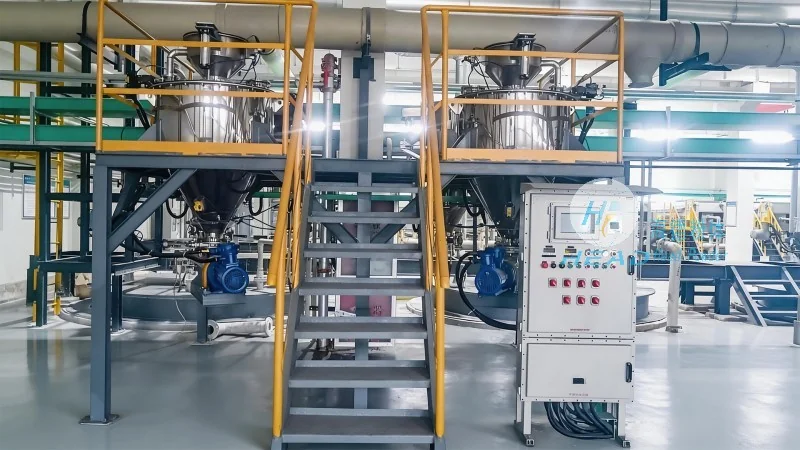
Company Profile: Shandong HeadPowder Engineering Co., Ltd.
Shandong HeadPowder Engineering Co., Ltd., operating under the brand name HeadPowder, is a leading provider of industrial material handling solutions, specializing in the design and manufacturing of pneumatic conveying systems for various powders, including calcium oxide. With a strong focus on innovation and customer satisfaction, HeadPowder has established itself as a trusted partner in the industry, delivering high-quality, customized solutions tailored to meet the unique needs of clients. The company's team of experienced engineers and technicians utilizes advanced design software and rigorous testing protocols to ensure that each system meets or exceeds industry standards. HeadPowder's commitment to quality and reliability has earned it a reputation for excellence in the field of material handling, with a track record of successful installations across China and beyond.
System Advantages and Practical Applications
The calcium oxide dry powder pneumatic conveying system designed by HeadPowder offers several advantages over traditional methods, such as bucket elevators or belt conveyors. First, pneumatic conveying systems are more flexible, allowing for changes in conveying direction and distance without significant modifications to the infrastructure. Second, they provide a more hygienic and dust-free environment, which is critical for applications where material purity is essential, such as in food processing or pharmaceutical manufacturing. Third, the system is more energy-efficient compared to other methods, as it uses less power to transport the material over longer distances. The practical applications of this system include the transportation of calcium oxide from storage silos to production lines, from one processing unit to another, or to storage facilities. It is widely used in cement production, where calcium oxide is a key raw material, and in environmental treatment facilities, where it is used for flue gas desulfurization. The system's ability to handle fine, hygroscopic powders makes it ideal for industries where material quality and consistency are paramount.




