Understanding the principles and applications of fly ash pneumatic conveying is crucial for efficient industrial waste management and material handling. This article explores the fundamentals of pneumatic conveying systems, their classification, and practical applications, with a focus on the expertise of Shandong HeadPowder Engineering Co., Ltd., a leading provider in the field.
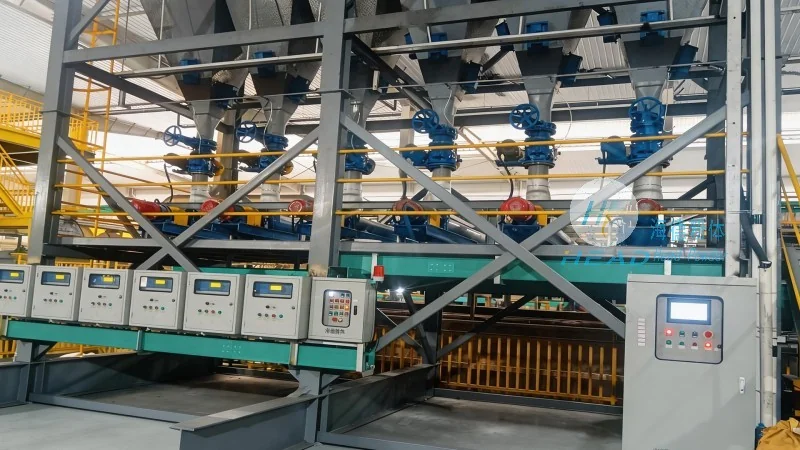
Introduction to Fly Ash Pneumatic Conveying
Fly ash, a byproduct of coal combustion in thermal power plants, poses unique challenges in handling due to its fine particle size and abrasive nature. Pneumatic conveying offers a solution by transporting these materials through a pipeline using air or other gas as the conveying medium. This method eliminates the need for mechanical components like belts or buckets, reducing maintenance and increasing operational efficiency. The process involves creating a pressure differential to move the material, which can be either positive (pressure) or negative (vacuum) pressure systems. Shandong HeadPowder Engineering Co., Ltd. specializes in designing and implementing such systems tailored to the specific requirements of power plants and industrial facilities.
Classification of Pneumatic Conveying Systems
Pneumatic conveying systems are broadly classified into two main categories: dilute phase and dense phase. Dilute phase systems operate at high velocities, typically 20-30 meters per second, and are suitable for short distances and low to medium material loads. They are efficient for transporting fine powders and are commonly used in applications where material is transferred over short distances, such as within a power plant's boiler house. Dense phase systems, on the other hand, operate at lower velocities (5-15 meters per second) and higher pressure, which allows for the transportation of larger particles and over longer distances. This method is ideal for handling abrasive or valuable materials, as it reduces wear and tear on the system components. Shandong HeadPowder Engineering Co., Ltd. offers both types of systems, ensuring that clients can choose the most appropriate solution based on their operational needs and material characteristics.
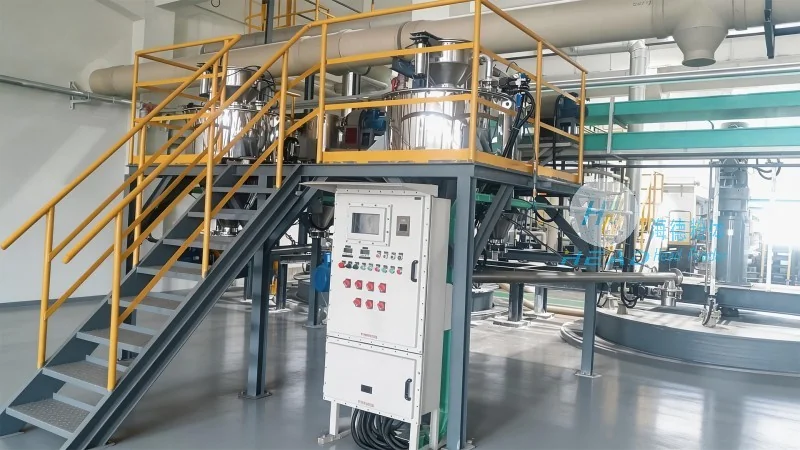
Applications of Pneumatic Conveying in Fly Ash Handling
The application of pneumatic conveying in fly ash handling encompasses several key processes. One primary use is the transfer of fly ash from the boiler to the storage silos or disposal sites. This is critical for maintaining the operational efficiency of power plants, as it allows for continuous operation without interruptions caused by material handling. Another application is the transportation of fly ash to recycling facilities, where it can be used as a raw material in cement production or other construction materials. This not only reduces the environmental impact of fly ash disposal but also adds economic value to the byproduct. Shandong HeadPowder Engineering Co., Ltd. has successfully implemented numerous projects in these areas, demonstrating the effectiveness of pneumatic conveying systems in improving the overall efficiency and sustainability of fly ash management.
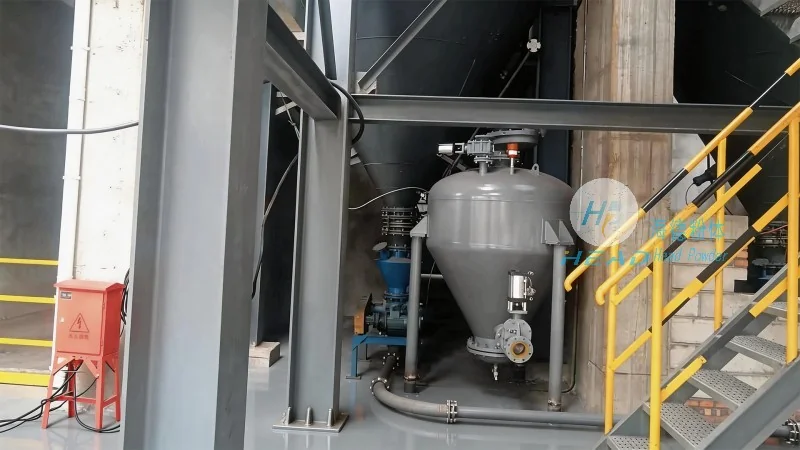
Key Considerations for Implementing Pneumatic Conveying Systems
When implementing a pneumatic conveying system for fly ash handling, several factors must be considered to ensure optimal performance and longevity. The first is the material characteristics, including particle size, density, and moisture content. These factors influence the choice between dilute and dense phase systems. For example, fine, dry fly ash is better suited for dilute phase systems, while larger or more abrasive particles may require dense phase systems. The second consideration is the distance and layout of the conveying line. Longer distances or complex layouts may necessitate the use of intermediate boosters or cyclones to maintain the pressure and prevent material settling. The third factor is the system's capacity and flow rate requirements. Shandong HeadPowder Engineering Co., Ltd. conducts thorough site assessments and material analysis to determine the appropriate system configuration, ensuring that the final solution meets the client's specific operational demands.
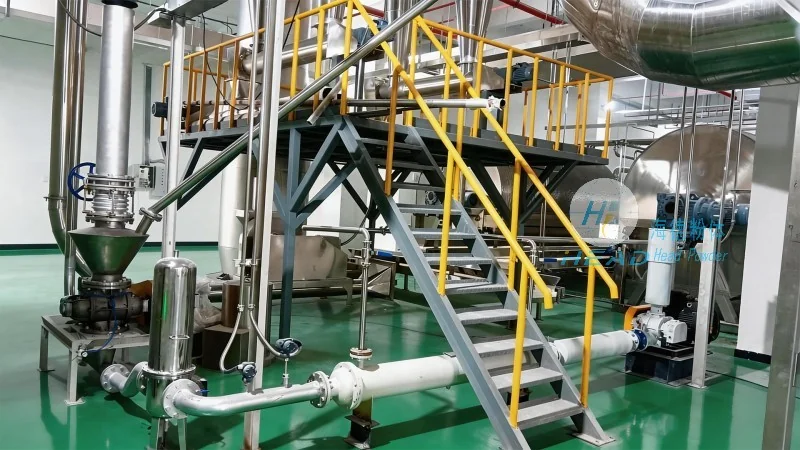
Advantages of Pneumatic Conveying for Fly Ash
Pneumatic conveying offers several advantages over traditional mechanical methods for fly ash handling. One of the most significant benefits is the reduction in labor costs and maintenance requirements. Since there are no moving parts in contact with the material, the system experiences less wear and tear, leading to lower operational costs over time. Additionally, pneumatic systems are more flexible in terms of layout, allowing for easy integration into existing plant infrastructure without major structural modifications. Another advantage is the improved safety and environmental performance. By containing the material within a sealed pipeline, the system prevents dust emissions and minimizes the risk of material spillage, which is crucial for maintaining compliance with environmental regulations. Shandong HeadPowder Engineering Co., Ltd. emphasizes these benefits in its design and implementation processes, ensuring that clients achieve both operational efficiency and environmental sustainability.
Conclusion
In conclusion, fly ash pneumatic conveying is a highly effective and efficient method for handling the byproduct of coal combustion. Through proper classification and application, these systems can significantly improve the operational performance of power plants and industrial facilities. Shandong HeadPowder Engineering Co., Ltd. plays a vital role in this field by providing expert design, manufacturing, and installation services, ensuring that clients can implement the most suitable pneumatic conveying solutions for their specific needs. With a focus on innovation and client satisfaction, the company continues to contribute to the advancement of fly ash management technologies, supporting the sustainable development of the energy sector.




