When designing a pneumatic conveying system for anhydrous sodium sulfate, several critical factors must be considered to ensure efficient, reliable, and cost-effective operation. This article outlines key design considerations, drawing on the expertise of Shandong HeadPowder Engineering Co., Ltd., a leading provider of industrial material handling solutions in China.
Introduction to Anhydrous Sodium Sulfate Pneumatic Conveying Systems
Anhydrous sodium sulfate, also known as anhydrous sodium sulfate, is a widely used industrial chemical in various sectors, including glass manufacturing, detergents, and food processing. Pneumatic conveying systems offer a flexible and efficient method for transporting this material from storage to processing equipment. However, the unique properties of anhydrous sodium sulfate—such as its density, flowability, and potential for dust generation—require careful system design to prevent issues like blockages, corrosion, and material degradation.
Key Design Considerations for Efficient System Operation
The success of an anhydrous sodium sulfate pneumatic conveying system hinges on several design elements. First, the system must be tailored to the material's physical characteristics. Anhydrous sodium sulfate has a relatively high density (approximately 2.66 g/cm³) and can be prone to bridging or caking in hoppers and silos. Therefore, incorporating features like hopper agitators, vibrators, or air-swept designs is essential to maintain consistent flow. Second, the choice of pneumatic conveying technology—whether dense-phase or dilute-phase—depends on the distance, elevation change, and material handling requirements. For longer distances or significant vertical lifts, dense-phase conveying, which uses higher air velocities and lower material concentrations, is often preferred to minimize pressure drop and reduce wear on components.
Material Properties and Their Impact on System Design
Understanding the material's properties is paramount. Anhydrous sodium sulfate is hygroscopic, meaning it can absorb moisture from the air, which may affect its flowability and cause clumping. To mitigate this, the system should include drying or moisture control measures, such as desiccant air filters or moisture-resistant hoppers. Additionally, the material's abrasiveness and potential for dust generation require appropriate component selection. Wear-resistant materials, such as stainless steel or special alloys, are recommended for pipelines, valves, and cyclones to extend the system's lifespan and maintain air quality. Dust collection systems, including baghouse filters or cartridge filters, are also critical to comply with environmental regulations and ensure safe operation.
Pneumatic Conveying Technologies and System Selection
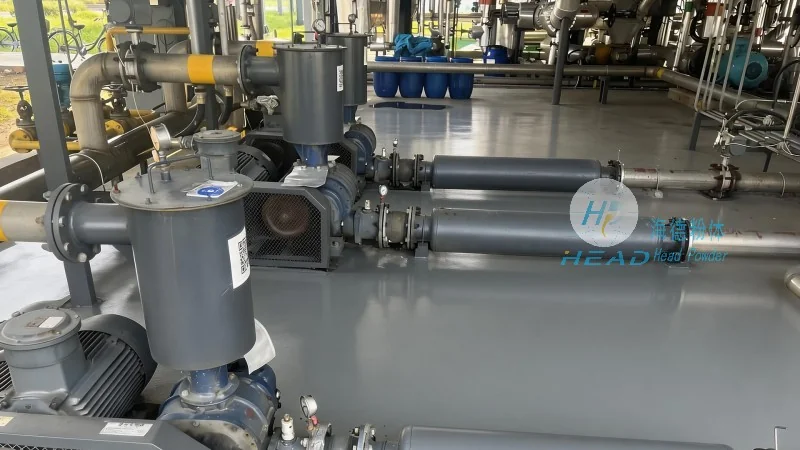
Two primary pneumatic conveying technologies are commonly used: dilute-phase and dense-phase. Dilute-phase systems use low air velocities and high material concentrations, suitable for short distances and low pressure requirements. However, they are less efficient for transporting abrasive materials like anhydrous sodium sulfate over long distances. Dense-phase systems, on the other hand, use higher air velocities and lower material concentrations, providing better control over material flow and reducing the risk of blockages. For anhydrous sodium sulfate, dense-phase conveying is often the preferred choice due to its ability to handle abrasive materials and maintain consistent flow rates. The selection of the right technology depends on factors like the required conveying distance, elevation change, and the need for gentle material handling.
System Components and Their Role in Performance
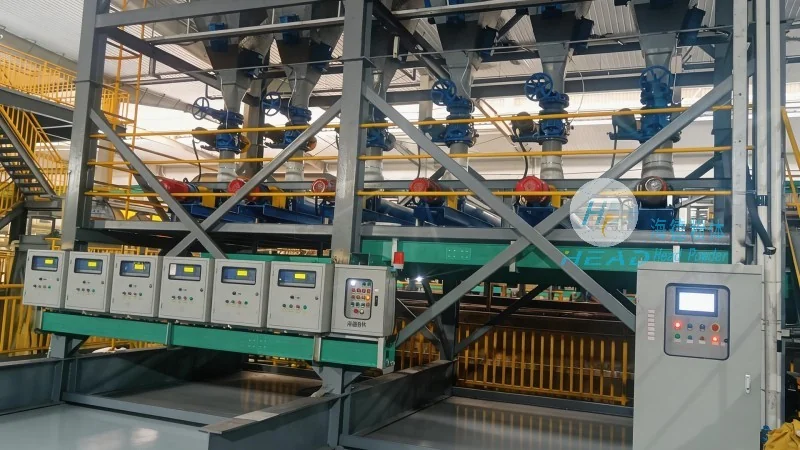
A pneumatic conveying system for anhydrous sodium sulfate consists of several key components, each playing a vital role in overall performance. The hopper or silo serves as the storage and feeding unit, where the material is loaded and prepared for transport. The feeder, typically a rotary valve or screw feeder, controls the material flow rate and ensures a consistent feed to the conveying line. The pipeline system, made of wear-resistant materials, transports the material and air mixture. Cyclones or filters are used to separate the material from the air, allowing the air to be recirculated or vented. The system's control panel manages the operation of all components, including air pressure, flow rates, and material feed rates. Each component must be carefully selected and sized to match the system's requirements, ensuring optimal performance and minimizing downtime.
Installation and Commissioning Best Practices
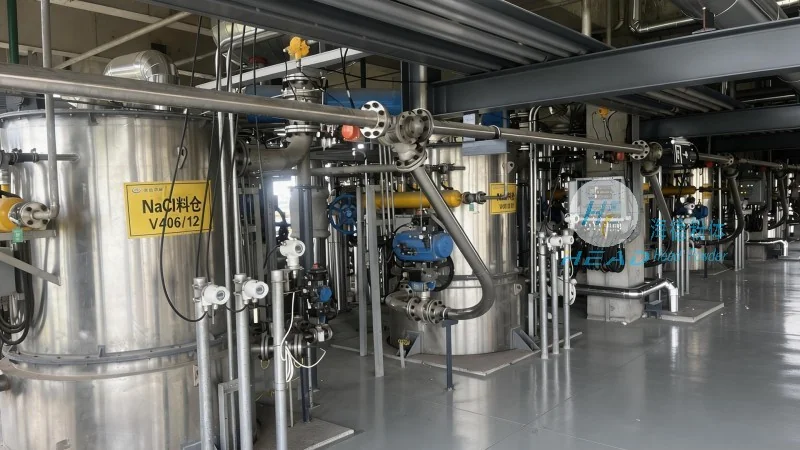
Proper installation and commissioning are crucial for the long-term reliability of an anhydrous sodium sulfate pneumatic conveying system. Installation should follow manufacturer guidelines, with attention to proper alignment of components, secure mounting of pipelines, and adequate space for maintenance. Commissioning involves testing the system under various operating conditions to identify and resolve any issues before full-scale operation. This includes checking air pressure, material flow rates, and component performance. Regular inspections and maintenance during the commissioning phase help ensure the system operates as designed and meets performance expectations.
Maintenance and Long-Term Reliability
To maintain the efficiency and longevity of a pneumatic conveying system, regular maintenance is essential. This includes inspecting wear parts, such as pipelines and cyclones, for signs of wear and replacing them as needed. Cleaning the system, especially the hopper and feeder, to remove accumulated material and prevent clogging is also important. Monitoring air pressure and flow rates can help detect potential issues early, allowing for timely repairs. By following a regular maintenance schedule, the system's performance can be optimized, and the risk of breakdowns reduced. Shandong HeadPowder Engineering Co., Ltd. provides comprehensive maintenance services to ensure their systems operate at peak efficiency for years to come.
Conclusion: Ensuring Optimal Performance with Professional Engineering
Designing an effective anhydrous sodium sulfate pneumatic conveying system requires a deep understanding of material properties, pneumatic conveying technologies, and system components. By considering factors such as material flowability, conveying distance, and environmental regulations, engineers can create a system that meets the specific needs of their application. Shandong HeadPowder Engineering Co., Ltd. leverages decades of experience in industrial material handling to provide customized solutions that deliver reliable, efficient, and cost-effective performance. Whether for new installations or system upgrades, partnering with a professional engineering firm like HeadPowder ensures the best results for anhydrous sodium sulfate pneumatic conveying systems.




