In the cement production process, the efficient and reliable transportation of raw materials is a critical factor that directly impacts the overall production efficiency and product quality. Raw materials such as limestone, clay, and other additives need to be transported from storage sites to the preheater or kiln. Traditional conveying methods, including belt conveyors, bucket elevators, and screw conveyors, have been widely used in the industry. However, with the increasing demand for higher production capacity and stricter environmental regulations, the limitations of these conventional systems have become more apparent. This article explores common cement raw material conveying methods and highlights the advantages and features of HeadPowder's raw material pneumatic conveying system.
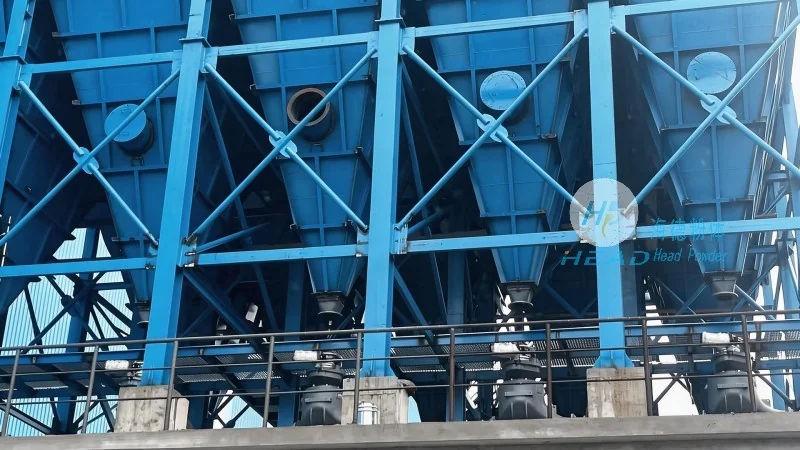
Traditional Cement Raw Material Conveying Methods
1. Belt Conveyors: Belt conveyors are one of the most common and economical methods for transporting bulk materials over long distances. They are widely used in cement plants due to their high capacity and low cost. However, belt conveyors have several drawbacks, including the need for large floor space, high energy consumption, and potential for material spillage. Additionally, they are not suitable for vertical or high-angle conveying, which is often required in cement production.
2. Bucket Elevators: Bucket elevators are used for vertical or steep-angle material transport. They consist of a series of buckets attached to a chain or belt that moves vertically. Bucket elevators can handle a wide range of materials and are relatively simple in structure. However, they have limitations in terms of capacity and are prone to material breakage or spillage, especially when handling abrasive or sticky materials.
3. Screw Conveyors: Screw conveyors use a rotating screw to move materials along a tube or trough. They are suitable for horizontal or slightly inclined transport and are commonly used for small to medium-sized material volumes. Screw conveyors are relatively low-cost and easy to install. Nevertheless, they have low capacity compared to other methods and are not suitable for transporting large quantities of material over long distances.
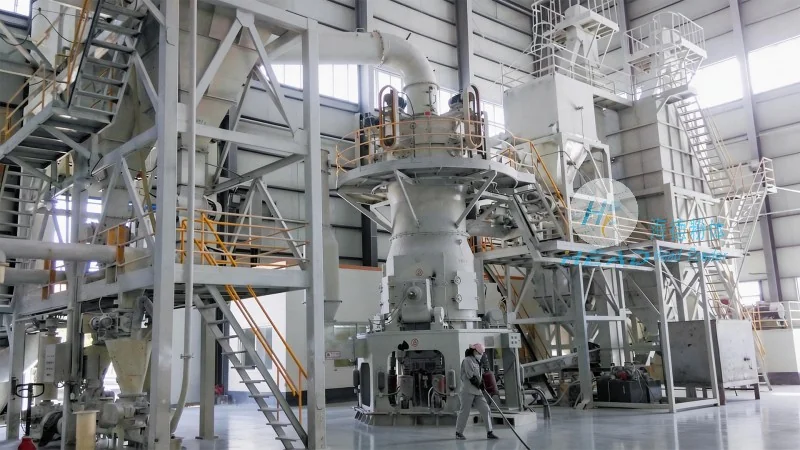
HeadPowder's Raw Material Pneumatic Conveying System: Advantages and Features
HeadPowder, a leading provider of industrial conveying solutions, offers advanced raw material pneumatic conveying systems that address the limitations of traditional methods. The company's pneumatic conveying technology is designed to meet the specific needs of cement production, providing high efficiency, flexibility, and reliability.
One of the key advantages of HeadPowder's system is its high conveying capacity. The system can transport large volumes of raw materials at high speeds, reducing the overall production time and increasing the plant's output. This is achieved through the use of high-pressure air or vacuum systems, which allow for efficient material movement without the need for mechanical components that can wear out or break.
Another significant feature is the system's flexibility. The pneumatic conveying system can be easily adapted to different plant layouts and production requirements. It can handle a wide range of raw materials, including powders, granules, and bulk materials, without the need for significant modifications to the system. This flexibility makes it an ideal solution for cement plants that may need to change their production processes or expand their operations.
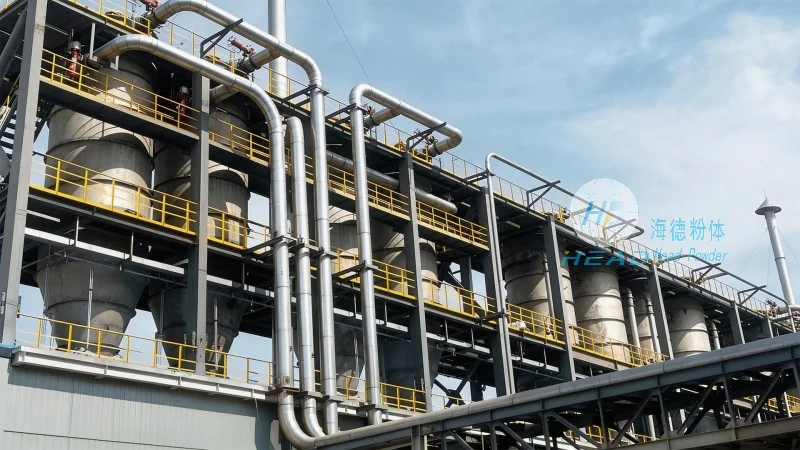
The system also offers superior environmental performance. Unlike traditional methods that may cause dust pollution or material spillage, the pneumatic conveying system is enclosed and sealed, preventing dust from escaping into the environment. This not only improves the working conditions for plant operators but also helps the company comply with environmental regulations.
Furthermore, HeadPowder's raw material pneumatic conveying system is designed for easy maintenance and long service life. The components are made of high-quality materials that are resistant to wear and corrosion, reducing the need for frequent repairs and replacements. The system also includes advanced monitoring and control features, allowing operators to track the conveying process and identify any issues in real time.
Conclusion
As the cement industry continues to evolve, the need for efficient and reliable raw material conveying systems becomes increasingly important. Traditional methods have limitations that can hinder production efficiency and increase operational costs. HeadPowder's raw material pneumatic conveying system offers a superior solution that addresses these challenges. With its high capacity, flexibility, environmental benefits, and ease of maintenance, the system is an ideal choice for cement plants looking to improve their production processes and meet the demands of the modern industry.




