When it comes to handling foam plastics, selecting the right conveying method is crucial for efficiency and material integrity. Foam plastics, such as polystyrene, polyethylene, and polypropylene, present unique challenges due to their lightweight, porous nature and varying particle sizes. Traditional conveying methods like belt conveyors or screw conveyors may struggle with foam materials, leading to issues like material degradation, blockages, or inefficient handling. This article explores common foam plastic conveying approaches and highlights the superior solutions offered by HeadPowder's pneumatic conveying systems.
Traditional Conveying Methods for Foam Plastics
Several conventional methods are often used to transport foam plastics, though each has limitations. Belt conveyors, for instance, rely on friction to move materials and may cause foam particles to break or become compressed, reducing their quality. Screw conveyors, while effective for solid materials, can compact foam, leading to clogging and increased maintenance needs. Additionally, both methods require frequent cleaning and may not handle the variability in foam density or shape effectively. Another common approach is manual handling, which is labor-intensive, time-consuming, and poses safety risks, especially with large or irregularly shaped foam pieces.
HeadPowder's Pneumatic Conveying System: A Superior Solution
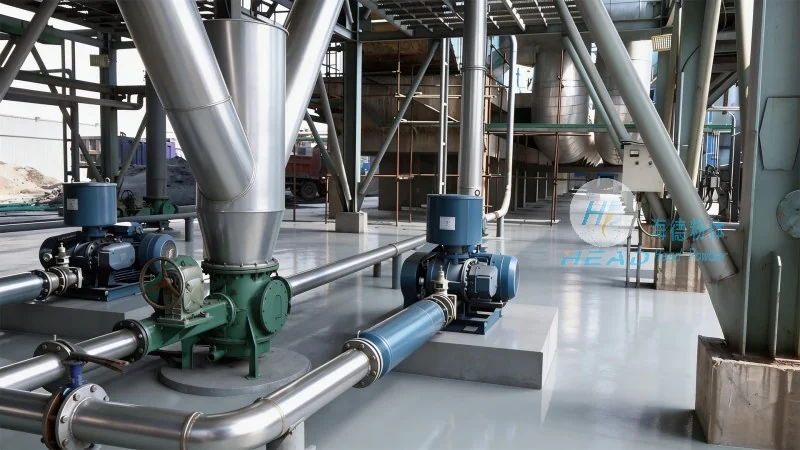
HeadPowder, a leading provider of material handling solutions, offers advanced pneumatic conveying systems tailored specifically for foam plastics. The company, based in Shandong, China, specializes in engineering custom solutions that address the unique challenges of foam material transport. Their pneumatic conveying systems utilize air pressure to move foam particles through a network of pipes, ensuring gentle handling and minimal material degradation. This method is particularly effective for lightweight, low-density foam plastics, as it avoids the mechanical stress associated with traditional conveyors.
Key Advantages of HeadPowder's Pneumatic Conveying
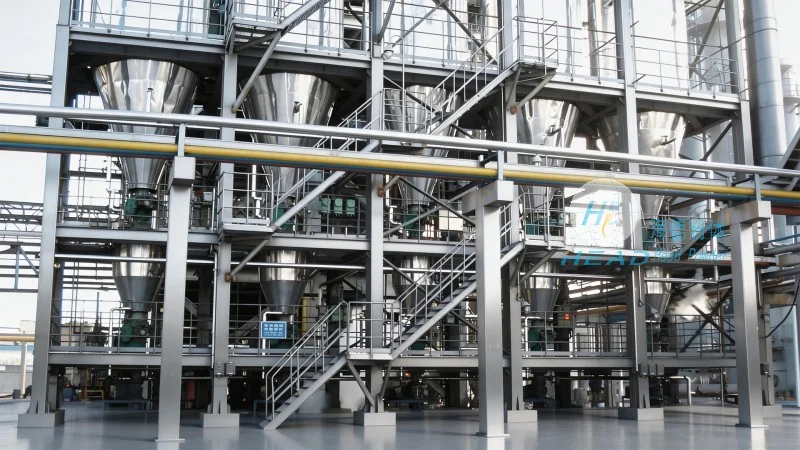
HeadPowder's pneumatic conveying systems provide several key advantages over traditional methods. First, they offer gentle material handling, which preserves the integrity of foam plastics, preventing compression or breakage that can occur with other systems. This is critical for maintaining the material's insulation properties and structural integrity. Second, the systems are highly efficient, with low energy consumption and minimal maintenance requirements. The air-based operation reduces wear and tear on components, leading to longer service life and lower operational costs. Third, pneumatic conveying allows for flexible system design, enabling integration with existing production lines or expansion as needs grow. HeadPowder's engineers work closely with clients to design systems that meet specific process requirements, ensuring optimal performance and reliability.
Customization and Application Flexibility
HeadPowder understands that each foam plastic application has unique requirements. Whether handling expanded polystyrene (EPS) for packaging, polyethylene foam for insulation, or polypropylene foam for automotive parts, their pneumatic conveying systems can be customized to suit the specific material properties and processing needs. The company offers a range of configurations, including pressure and vacuum systems, to accommodate different conveying distances and material flow rates. For example, a pressure system is ideal for short to medium-distance transport, while a vacuum system is better suited for longer distances or when handling fine foam particles. HeadPowder's team of experts conducts thorough assessments to determine the most suitable system configuration, ensuring that clients receive a solution that maximizes efficiency and minimizes downtime.
Reliability and Durability in Industrial Settings
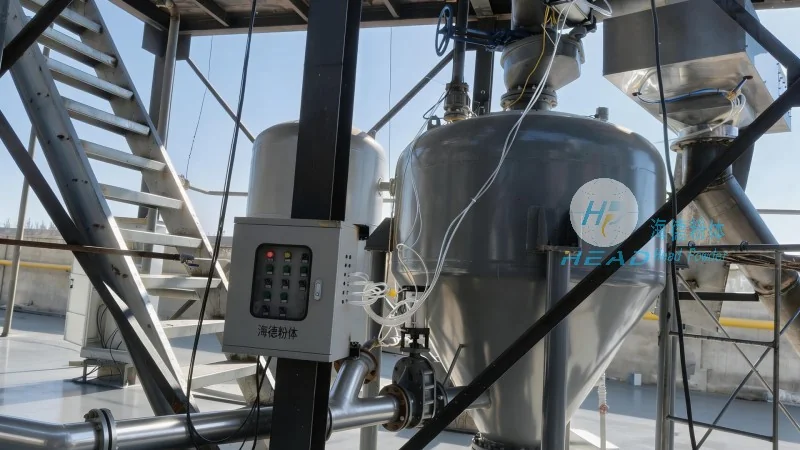
In industrial environments, reliability and durability are paramount. HeadPowder's pneumatic conveying systems are built to withstand the demands of continuous operation, with robust components designed to handle the unique challenges of foam plastics. The systems feature high-quality materials, such as stainless steel and corrosion-resistant coatings, to prevent material buildup and ensure long-term performance. Additionally, the company provides comprehensive maintenance and support services, including regular inspections and component replacement, to keep systems running smoothly. This commitment to reliability has made HeadPowder a trusted partner for many industries, including packaging, construction, and automotive manufacturing.
Conclusion: Choosing the Right Conveying Solution for Foam Plastics
When selecting a conveying method for foam plastics, it is essential to consider the material's properties and the specific needs of the application. While traditional methods may offer simplicity, they often fall short in terms of efficiency and material protection. HeadPowder's pneumatic conveying systems provide a superior alternative, delivering gentle handling, high efficiency, and flexible customization. With a focus on quality and customer satisfaction, HeadPowder has established itself as a leader in foam plastic material handling solutions. By choosing HeadPowder's systems, businesses can improve their operational efficiency, reduce costs, and ensure the integrity of their foam products. For more information about HeadPowder's pneumatic conveying solutions, contact Shandong HeadPowder Engineering Co., Ltd., located in Shandong, China.




