For industries dealing with moisture-containing ammonium nitrate powders, efficient and reliable transportation systems are critical to ensure safety, productivity, and compliance with regulatory standards. This article provides an overview of the key aspects involved in the transportation of such powders, focusing on the structural principles that underpin effective handling and processing. The information is presented by Shandong HeadPowder Engineering Co., Ltd., a leading provider in this field, based in China.
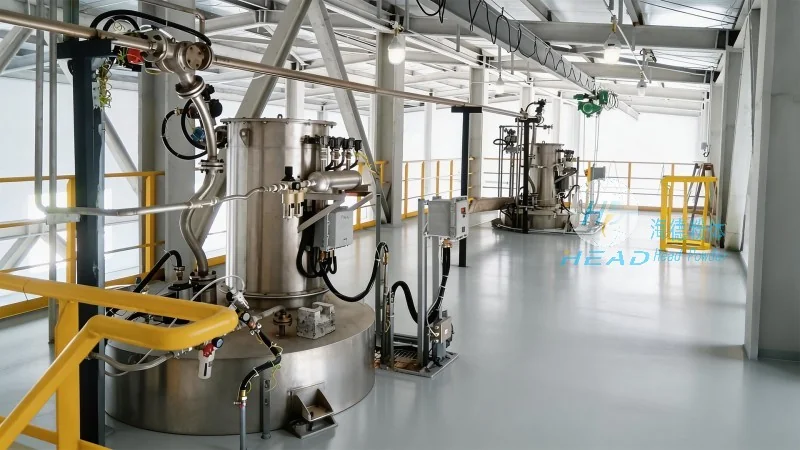
Company Overview: HeadPowder
Shandong HeadPowder Engineering Co., Ltd., commonly known as HeadPowder, is a specialized engineering firm dedicated to the design, development, and implementation of solutions for the handling and transportation of bulk materials, including moisture-containing ammonium nitrate powders. With a strong presence in China, the company leverages years of experience and technical expertise to deliver tailored systems that meet the unique challenges of powder handling in various industrial applications.
Understanding Moisture-Containing Ammonium Nitrate Powders
Ammonium nitrate is a widely used chemical compound, often in its anhydrous form, but when it contains moisture, its physical properties and handling characteristics change significantly. Moisture in the powder can affect flowability, agglomeration, and reactivity, making it essential to use specialized equipment that can manage these variables effectively. The transportation of such powders requires systems that maintain the material's integrity while ensuring safe and efficient movement from storage to processing or end-use applications.
Structural Principles of Powder Transportation Systems
The core of any effective powder transportation system for moisture-containing ammonium nitrate is its structural design, which must address several critical factors. First, the system must ensure proper containment to prevent dust generation and environmental contamination. This is typically achieved through sealed or enclosed components, such as hoppers, conveyors, and pipelines, which are designed to minimize exposure to the air and external elements.
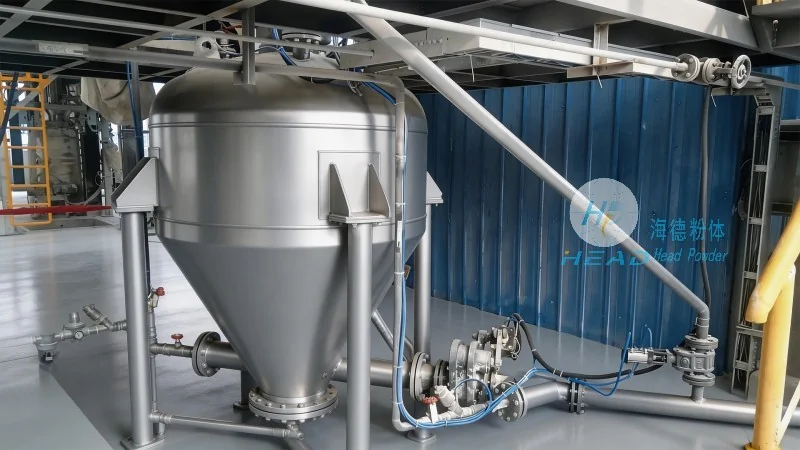
Second, the system must maintain consistent flow and prevent material buildup or blockages. This is achieved through the use of specialized components like feeders, agitators, and vibration devices that ensure the powder moves smoothly through the system. For moisture-containing powders, the design often incorporates features to control moisture content and prevent caking or clumping, which could impede flow.
Key Components and Their Functions
Several key components are integral to the structural design of powder transportation systems for ammonium nitrate. The hopper, for example, is the initial storage and feeding unit, designed with a sloped bottom to facilitate material discharge. The feeder, often a screw or rotary type, controls the flow rate from the hopper to the conveyor, ensuring a steady supply of material. The conveyor itself, whether a belt or pneumatic system, transports the powder to the next stage of processing.
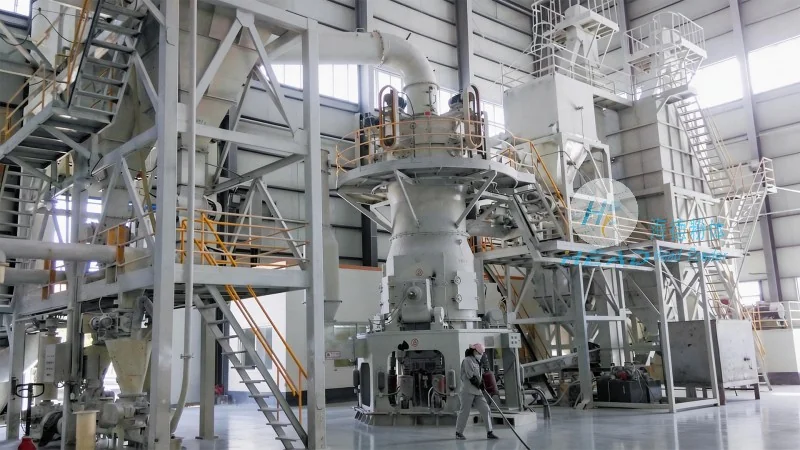
In addition to these primary components, the system may include auxiliary equipment such as classifiers, dust collectors, and temperature control units. Classifiers help separate particles of different sizes, ensuring that only the appropriate size range is transported. Dust collectors are essential for maintaining air quality and complying with environmental regulations. Temperature control units may be used to manage the temperature of the powder, especially if the material is sensitive to temperature changes.
Ensuring Safety and Compliance
Given the potential hazards associated with ammonium nitrate, especially when it contains moisture, safety is a paramount consideration in the design and operation of transportation systems. The structural design must incorporate features to prevent accidental release or exposure, such as secure sealing, emergency shut-off valves, and monitoring systems. Compliance with local and international regulations regarding the handling of hazardous materials is also a key aspect, and the system must be designed to meet these standards.
Application and Operational Considerations
The effectiveness of a powder transportation system for moisture-containing ammonium nitrate depends on its ability to adapt to the specific requirements of the application. Factors such as the desired flow rate, the distance to be covered, and the final destination of the material all influence the choice of components and the overall system design. Operational considerations also include maintenance requirements, as the system must be easy to clean and maintain to prevent contamination and ensure long-term reliability.
Conclusion
In summary, the transportation of moisture-containing ammonium nitrate powders requires a well-designed system that addresses the unique challenges posed by the material's properties. The structural principles outlined above, combined with specialized components and a focus on safety and compliance, form the foundation of an effective solution. Shandong HeadPowder Engineering Co., Ltd. specializes in providing such systems, leveraging its expertise to deliver reliable and efficient solutions for industries dealing with ammonium nitrate powders.




