Polycrystalline silicon is a vital material in the semiconductor industry, and the efficient transportation of this material is crucial for production processes. The polycrystalline silicon pneumatic conveying system is a specialized equipment designed to handle this material with precision and reliability. This article provides an overview of the system's structure and working principles, highlighting its key components and operational mechanisms.
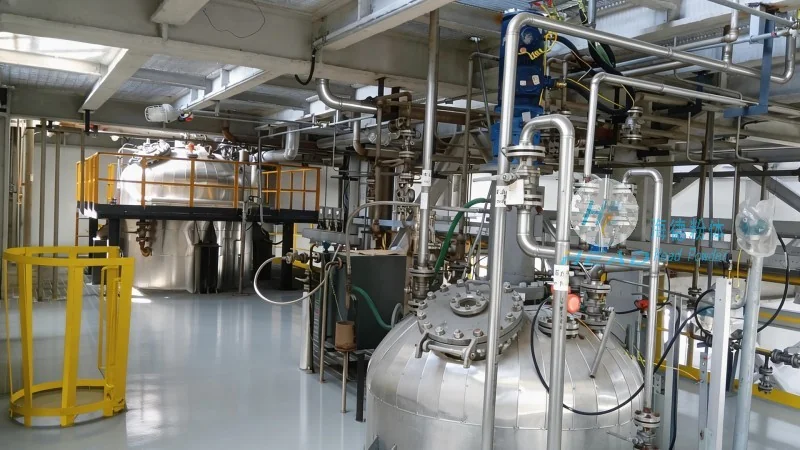
Overview of Polycrystalline Silicon Pneumatic Conveying Systems
Polycrystalline silicon, often abbreviated as polysilicon, is a high-purity silicon material used as a feedstock in the production of solar cells and other semiconductor devices. Due to its fine particle size and high purity requirements, traditional conveying methods such as belt conveyors or bucket elevators may not be suitable. The pneumatic conveying system offers a solution by using air pressure to transport the material through a pipeline network. This method minimizes material contamination, reduces the risk of dust exposure, and ensures a smooth flow of the material from the source to the processing unit.
Key Components of the Pneumatic Conveying System
The polycrystalline silicon pneumatic conveying system consists of several key components that work in tandem to achieve efficient material transport. The main components include the material hopper, air compressor, conveying pipeline, control valves, and dust collection system. Each component plays a crucial role in the overall operation of the system.
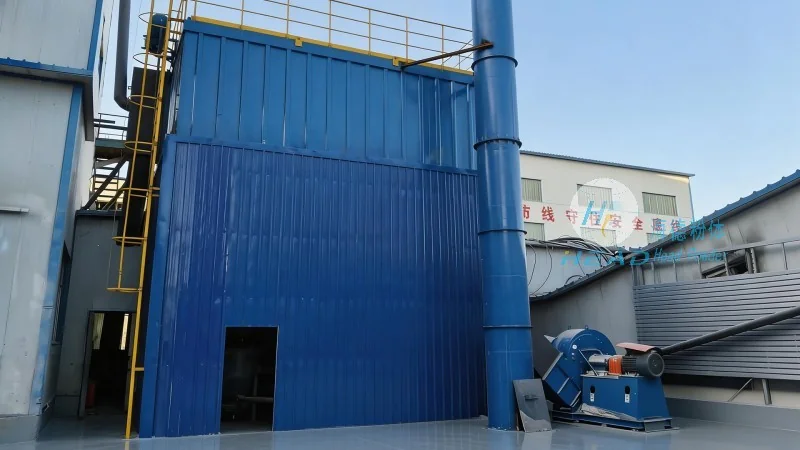
The material hopper is designed to store the polycrystalline silicon powder and feed it into the conveying pipeline. It is typically equipped with a feeding mechanism, such as a rotary valve or a screw feeder, to regulate the flow of material. The air compressor provides the necessary air pressure to move the material through the pipeline. The conveying pipeline is made of materials that are compatible with the polycrystalline silicon, such as stainless steel or PTFE-coated pipes, to prevent material adhesion and corrosion. Control valves are used to regulate the air flow and pressure, ensuring optimal conveying conditions. The dust collection system is essential for maintaining a clean and safe working environment by capturing any airborne particles.
Working Principles of the Pneumatic Conveying System
The operation of the polycrystalline silicon pneumatic conveying system is based on the principle of air pressure. The system uses a positive pressure or negative pressure (or a combination of both) to transport the material. In the positive pressure system, the air compressor blows air into the pipeline, creating a high-pressure environment that pushes the material forward. The material is suspended in the air stream and moves along the pipeline. In the negative pressure system, the material is drawn into the pipeline by creating a vacuum at the receiving end. The combination of these systems allows for flexible and efficient material transport over long distances.
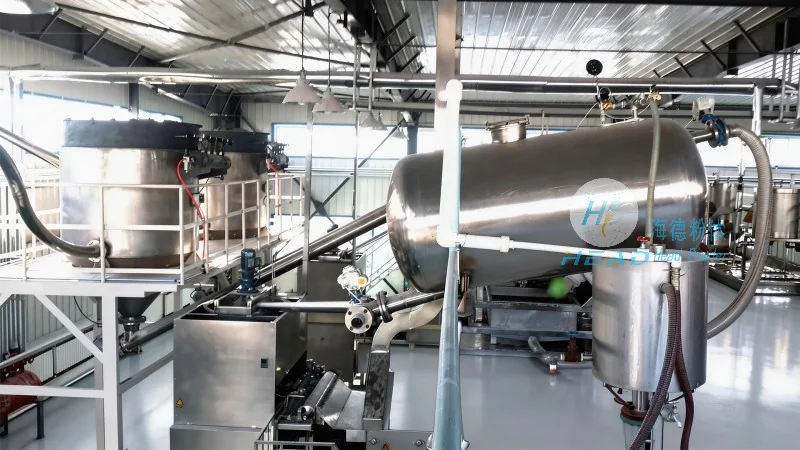
The conveying process begins with the material being fed from the hopper into the pipeline. The air compressor then starts, and the air is introduced into the pipeline, creating a flow of air that carries the material particles. The material is suspended in the air stream and travels through the pipeline to the destination point. The control valves are used to adjust the air pressure and flow rate, ensuring that the material is conveyed at the desired speed and without clogging. The dust collection system captures any particles that may escape from the pipeline, preventing contamination and maintaining a clean environment.
Advantages of Polycrystalline Silicon Pneumatic Conveying Systems
Compared to traditional conveying methods, the polycrystalline silicon pneumatic conveying system offers several advantages. One of the main advantages is the ability to transport the material over long distances without the need for multiple transfer points. This reduces the risk of material loss and contamination. Another advantage is the minimal maintenance required, as the system has fewer moving parts compared to belt conveyors or bucket elevators. The system also provides better control over the material flow, allowing for precise dosing and feeding. Additionally, the system is more energy-efficient than other methods, as it uses less power to transport the material.
Applications in the Semiconductor Industry
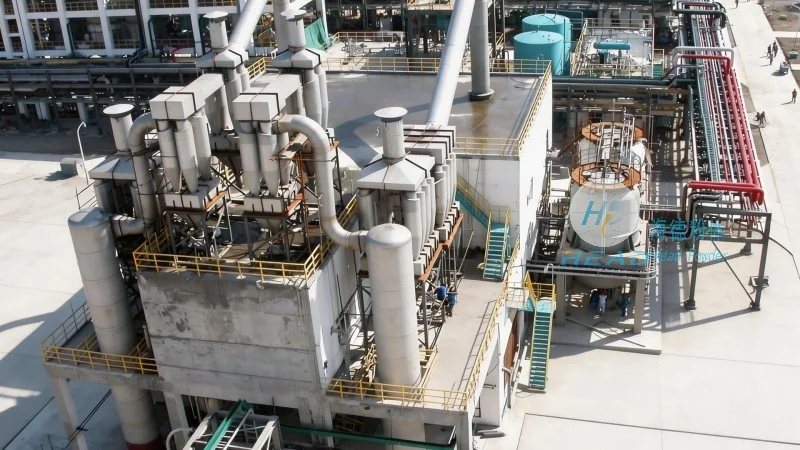
The polycrystalline silicon pneumatic conveying system is widely used in the semiconductor industry, particularly in the production of solar cells and other high-purity silicon products. The system is used to transport the polycrystalline silicon from the storage hopper to the melting furnace or other processing equipment. The efficient and reliable transport of the material is crucial for maintaining the high purity of the silicon and ensuring the quality of the final product. The system is also used in other industries where fine powders need to be transported, such as pharmaceuticals and chemicals.
Conclusion
Polycrystalline silicon pneumatic conveying systems are essential equipment for the efficient and reliable transport of high-purity silicon material in the semiconductor industry. The system's structure and working principles are designed to meet the stringent requirements of the industry, ensuring minimal contamination and optimal material flow. With its advantages in long-distance transport, low maintenance, and energy efficiency, the system is a preferred choice for many manufacturers. As the demand for polycrystalline silicon continues to grow, the importance of efficient conveying systems will only increase, making this equipment a critical component in the production process.




