For industrial applications involving the handling of titanium dioxide, pneumatic conveying systems offer an efficient and reliable method for material transport. These systems are particularly valuable in processing facilities where the safe and efficient movement of fine powders is critical. The equipment, often referred to as a titanium dioxide pneumatic conveyor, is designed to handle the unique properties of titanium dioxide, including its high density and fine particle size, ensuring minimal product degradation and loss during transfer.
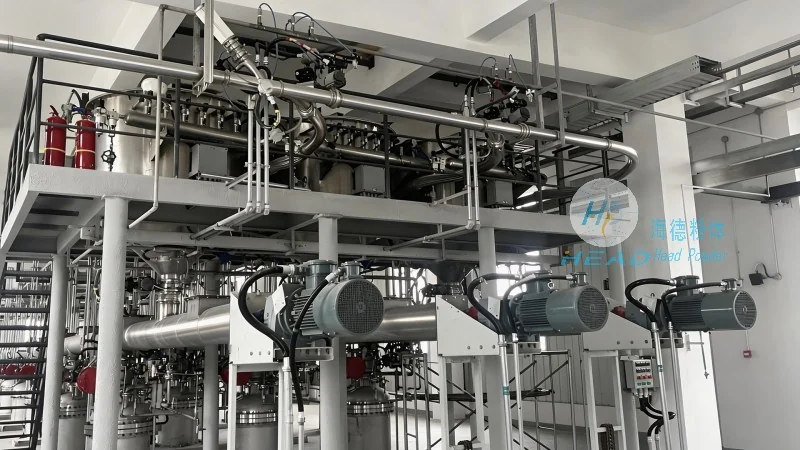
Key Components of Titanium Dioxide Pneumatic Conveying Systems
The titanium dioxide pneumatic conveying system consists of several essential components that work in tandem to facilitate material transport. The primary components include the hopper, which serves as the storage and feeding unit for the titanium dioxide powder. The hopper is equipped with a feeding valve that controls the flow rate of the material into the system. This component is crucial for maintaining consistent pressure and preventing material bridging or clogging, which can occur with fine powders like titanium dioxide.
Next, the conveying line or pipeline connects the hopper to the discharge point. The pipeline is typically made of materials resistant to corrosion and abrasion, such as stainless steel or special plastic composites, to withstand the chemical and physical stresses associated with titanium dioxide. The diameter and length of the pipeline are carefully selected based on the system's capacity and the distance between the feed and discharge points. Additionally, the pipeline may include bends, elbows, or expansion joints to accommodate changes in direction and accommodate thermal expansion.
The air supply system is another critical component, providing the necessary air flow to move the titanium dioxide particles through the pipeline. This system includes a blower or compressor that generates the required pressure and volume of air. The air flow rate is adjustable to match the material flow rate, ensuring optimal conveying efficiency. To control the air pressure and flow, the system may incorporate pressure regulators, flow meters, and control valves. These components help maintain stable operation and prevent overpressurization or underpressurization, which can affect the conveying performance.
The discharge unit, or receiver, is the final component of the system. It is designed to collect the titanium dioxide powder from the pipeline and transfer it to the next processing stage or storage container. The receiver is equipped with a discharge valve or outlet that allows controlled release of the material. Some systems may include a dust collection or filtration system to capture any fine particles that may escape during discharge, ensuring environmental compliance and product purity.
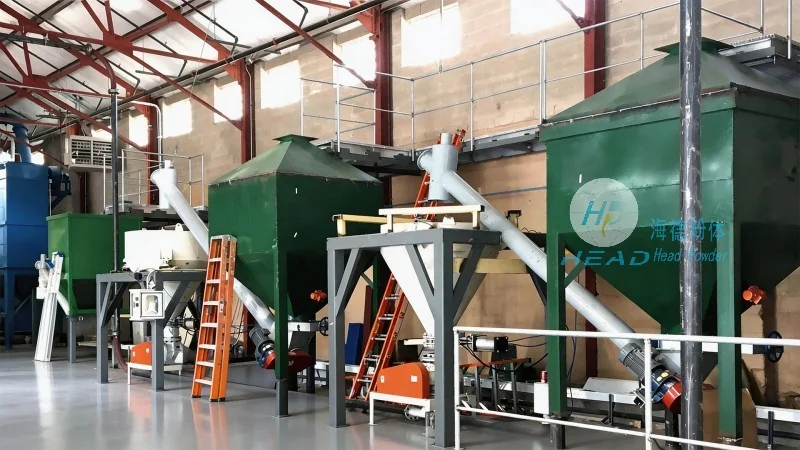
Working Principle of Titanium Dioxide Pneumatic Conveying
The operation of a titanium dioxide pneumatic conveying system is based on the principle of air flow and particle suspension. The process begins with the material being fed from the hopper into the pipeline under the influence of the air flow. The air, generated by the blower, creates a low-pressure zone within the pipeline, which draws the titanium dioxide particles into the air stream. As the particles are entrained by the air, they are carried through the pipeline to the discharge point.
The conveying efficiency depends on the balance between the air velocity and the particle size and density. For titanium dioxide, which has a high density and fine particle size, the air velocity must be sufficient to overcome the gravitational forces and maintain the particles in suspension. The system is designed to operate at a velocity that ensures the particles remain fully suspended, preventing deposition or settling within the pipeline. This is achieved by adjusting the air flow rate and pressure to match the material's characteristics and the system's design parameters.
During the conveying process, the air and particles may experience friction and turbulence within the pipeline. The design of the pipeline, including the use of smooth surfaces and appropriate bends, minimizes energy loss and maintains the stability of the particle suspension. The system may also incorporate features such as pulse or rotary air valves to control the flow of material and air, ensuring consistent and reliable operation. These control mechanisms help prevent blockages and maintain the integrity of the conveying process.
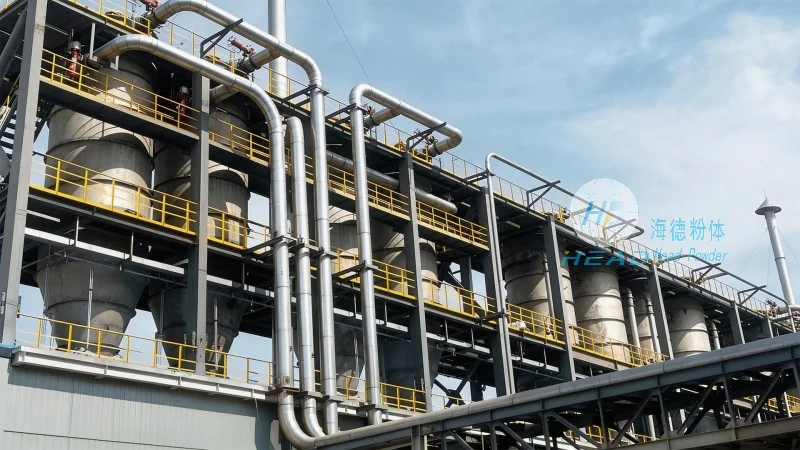
The discharge process involves the release of the air and particles from the pipeline into the receiver. The receiver is typically equipped with a vent or exhaust system to allow the air to escape, while the titanium dioxide powder is collected in the container. The system may include a dust collection system to capture any fine particles that may be released during discharge, ensuring that the environment is not contaminated and that the product remains pure.
About Shandong HeadPowder Engineering Co., Ltd.
Shandong HeadPowder Engineering Co., Ltd., operating under the brand name headpowder, is a leading manufacturer of specialized equipment for the handling and processing of fine powders, including titanium dioxide. The company is headquartered in Shandong, China, and has established a reputation for providing high-quality, reliable pneumatic conveying systems tailored to the unique needs of the chemical and pigment industries.
headpowder specializes in the design, manufacturing, and installation of titanium dioxide pneumatic conveying equipment, leveraging years of experience and expertise in powder handling technology. The company's products are engineered to meet the stringent requirements of industrial applications, ensuring efficient material transport, minimal product loss, and compliance with environmental regulations. With a focus on innovation and customer satisfaction, headpowder delivers solutions that enhance operational efficiency and product quality for its clients.
The company's commitment to quality is reflected in its adherence to international standards and rigorous testing protocols. Each titanium dioxide pneumatic conveying system is manufactured using high-grade materials and precision engineering, ensuring durability and long-term performance. headpowder also provides comprehensive after-sales support, including installation, maintenance, and technical assistance, to ensure that clients can maximize the operational life and efficiency of their equipment.




