HeadPowder, a leading manufacturer based in Shandong, China, specializes in the design and production of advanced corn starch pneumatic conveying systems. This equipment is engineered to efficiently transport corn starch and related powders with precision and reliability, meeting the demands of modern industrial processing. The following overview provides a detailed look at the structure and operational principles of these systems.
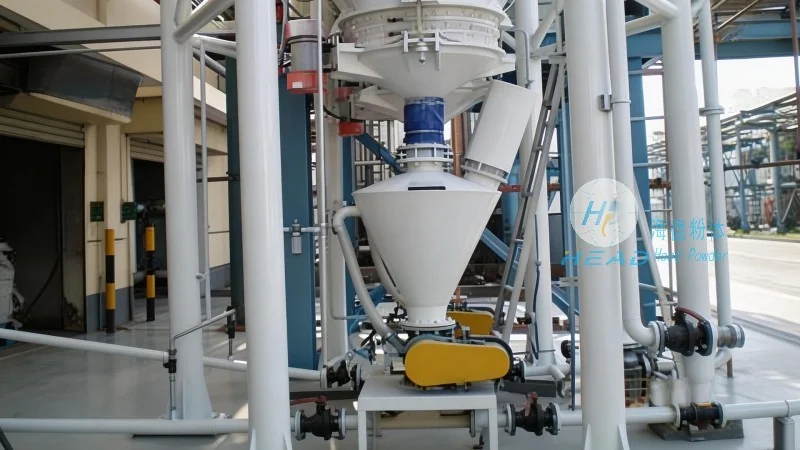
Overview of Corn Starch Pneumatic Conveying Equipment
Corn starch pneumatic conveying equipment is a critical component in the processing and handling of corn starch, which is widely used in food, pharmaceutical, and chemical industries. The system operates by using air or gas to move bulk materials through a pipeline network, eliminating the need for mechanical components like belts or buckets that may cause contamination or wear. This method ensures a clean, hygienic, and efficient transfer of the product, which is essential for maintaining quality standards in sensitive applications.
Key Structural Components of the Equipment
The corn starch pneumatic conveying system consists of several essential parts that work in tandem to achieve effective material transport. The primary components include the material feed hopper, the air supply system (typically a blower or compressor), the conveying pipeline, and the discharge unit. Each component plays a vital role in the overall functionality of the system.
The material feed hopper is designed to hold and meter the corn starch, ensuring a consistent flow into the conveying line. It often features a hopper with a conical bottom and a discharge valve that controls the rate of material release. This design minimizes material bridging and ensures smooth feeding, which is crucial for maintaining system efficiency. The air supply system provides the necessary pressure and volume of air to create the pneumatic flow. A blower or compressor generates the airflow, which is then directed into the pipeline to create a positive or negative pressure environment for conveying the material.
The conveying pipeline is constructed from materials that are compatible with corn starch and resistant to corrosion and abrasion. Common materials include stainless steel or specialized plastic pipes, which are chosen for their durability and ability to prevent product contamination. The pipeline may include bends, elbows, and expansion joints to accommodate changes in direction and elevation, ensuring the material can be transported over long distances without significant pressure loss or material degradation.
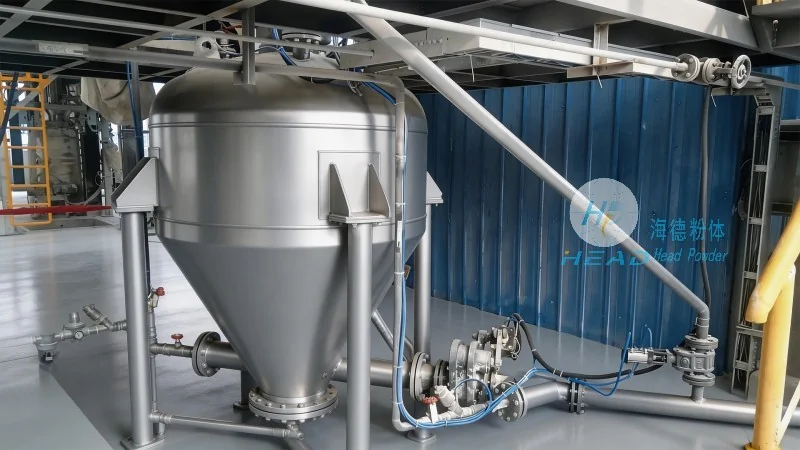
The discharge unit is responsible for releasing the corn starch at the destination point. It may include a receiving hopper, a filter, or a direct discharge valve, depending on the application. The unit is designed to handle the material gently, preventing agglomeration or damage to the starch particles. Some systems also incorporate a dust collection system to capture any airborne particles and maintain a clean working environment.
Working Principle of the Pneumatic Conveying Process
The operation of the corn starch pneumatic conveying system is based on the principles of fluid dynamics and material transport. There are two main types of pneumatic conveying systems: positive pressure and negative pressure (or vacuum) systems. Both operate by creating a pressure differential to move the material through the pipeline.
In a positive pressure system, the blower or compressor supplies air at a higher pressure than the ambient environment. The air is introduced into the conveying line at the feed hopper, creating a high-pressure zone that pushes the corn starch particles along with the air stream. The material is carried through the pipeline by the air flow, and the air velocity is maintained at a level sufficient to prevent the particles from settling or sticking to the pipe walls. The discharge unit then releases the material into the receiving container under the pressure of the air flow.
In a negative pressure (vacuum) system, the air is drawn from the pipeline using a vacuum pump, creating a low-pressure zone at the discharge end. The corn starch is drawn into the pipeline by the vacuum, and the air flow carries the material towards the receiving hopper. This method is often used for applications where the material needs to be transported from a higher elevation to a lower one or where the material is sensitive to pressure changes.
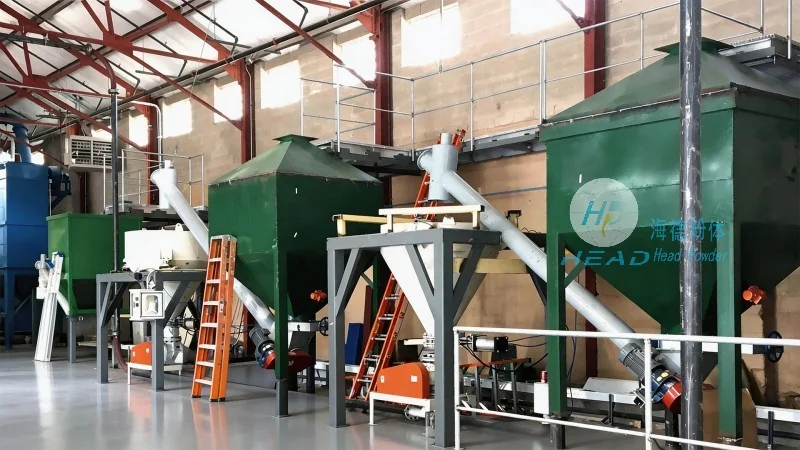
Both systems rely on the velocity of the air and the size and density of the corn starch particles to determine the optimal conveying conditions. The system design must consider factors such as the material's flowability, particle size distribution, and the required conveying distance to ensure efficient and reliable operation. Proper sizing of the blower, pipeline diameter, and air velocity is critical to prevent pressure losses, material blockages, or excessive energy consumption.
Advantages of Corn Starch Pneumatic Conveying Equipment
Implementing corn starch pneumatic conveying equipment offers several advantages over traditional mechanical conveying methods. One of the primary benefits is the hygienic and clean operation, as the system is enclosed and does not involve direct contact with the material. This is particularly important in food and pharmaceutical applications where contamination control is paramount. The enclosed design also helps to prevent dust emissions, reducing the risk of respiratory issues for operators and maintaining a cleaner working environment.
Another advantage is the flexibility and scalability of the system. Corn starch pneumatic conveying equipment can be easily adapted to different production volumes and layouts, allowing for expansion or reconfiguration as business needs change. The system can handle varying material flow rates and can be integrated with other processing equipment, such as mixers or dryers, to form a complete production line.
The equipment also offers energy efficiency and reduced maintenance compared to mechanical systems. Pneumatic conveying systems typically have lower energy consumption per unit of material transported, as they use air as the primary medium rather than mechanical components that require regular lubrication and replacement. Additionally, the lack of moving parts in the conveying line reduces the risk of wear and tear, leading to lower maintenance costs and longer equipment lifespan.
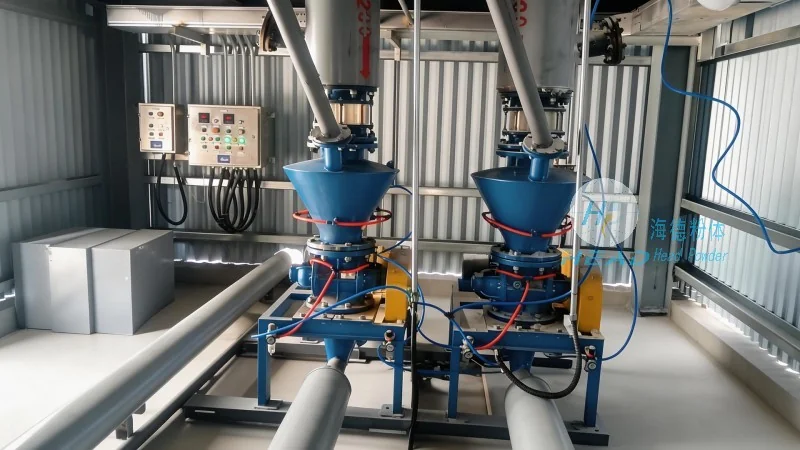
Applications and Industry Use Cases
Corn starch pneumatic conveying equipment is widely used in various industries that process corn starch and other fine powders. In the food industry, it is commonly employed in the production of starch-based products, such as modified starches, starch derivatives, and food additives. The system ensures that the starch is transferred from storage silos to processing lines without any contamination, maintaining the quality of the final product.
In the pharmaceutical industry, the equipment is used for the handling of starch-based excipients and active ingredients. The hygienic design of the system meets the stringent regulatory requirements for pharmaceutical manufacturing, ensuring that the materials are handled in a clean and controlled environment. This is crucial for preventing cross-contamination and maintaining the purity of the pharmaceutical products.
In the chemical industry, corn starch pneumatic conveying systems are used in the production of starch-based chemicals, such as starch ethers and starch esters. The system's ability to handle fine powders efficiently and safely makes it suitable for these applications, where precise material control is essential for product quality and consistency.
Conclusion
HeadPowder's corn starch pneumatic conveying equipment represents a reliable and efficient solution for the transport of corn starch and related powders. By understanding the structural components and working principles of these systems, users can make informed decisions about their material handling needs. The advantages of hygienic operation, flexibility, and energy efficiency make pneumatic conveying an attractive option for modern industrial applications. As a manufacturer based in Shandong, China, HeadPowder continues to innovate and provide high-quality equipment that meets the evolving demands of the industry.




