HeadPowder, a professional manufacturer based in Shandong, China, specializes in the design, development, and production of advanced pneumatic conveying systems for ship loading and unloading operations. This article provides an overview of the equipment, its structural components, and the underlying principles that enable efficient material handling in maritime logistics.
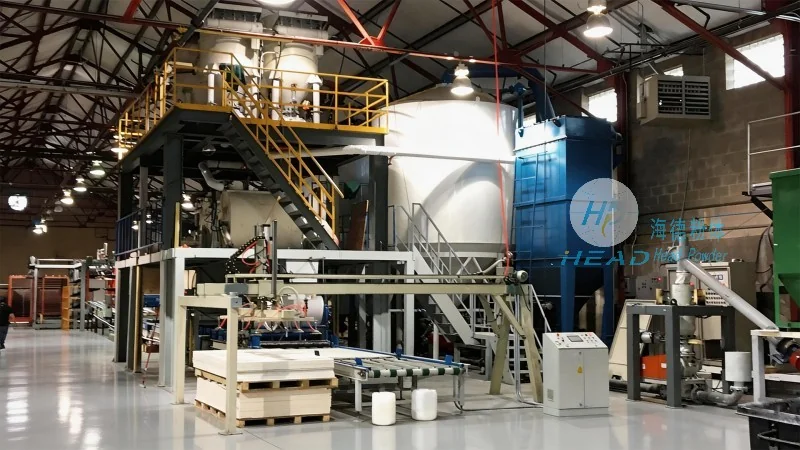
Company Profile and Location
HeadPowder Engineering Co., Ltd. is a leading enterprise in the field of pneumatic conveying technology, dedicated to providing high-quality solutions for bulk material transport. The company is headquartered in Shandong, China, where it leverages local manufacturing capabilities and technical expertise to deliver reliable equipment for global clients. Our commitment to innovation and quality ensures that our products meet the stringent requirements of modern maritime operations.
Overview of Ship Loading and Unloading Pneumatic Conveying Equipment
Ship loading and unloading pneumatic conveying equipment is a critical component in modern port operations, facilitating the rapid and safe transfer of bulk materials such as grains, powders, and other dry commodities between vessels and shore facilities. This technology eliminates the need for traditional manual or mechanical handling methods, reducing labor costs, minimizing material loss, and enhancing overall operational efficiency. The equipment operates by using compressed air or other gases to create a flow of material through a network of pipes, ensuring seamless and continuous transport.
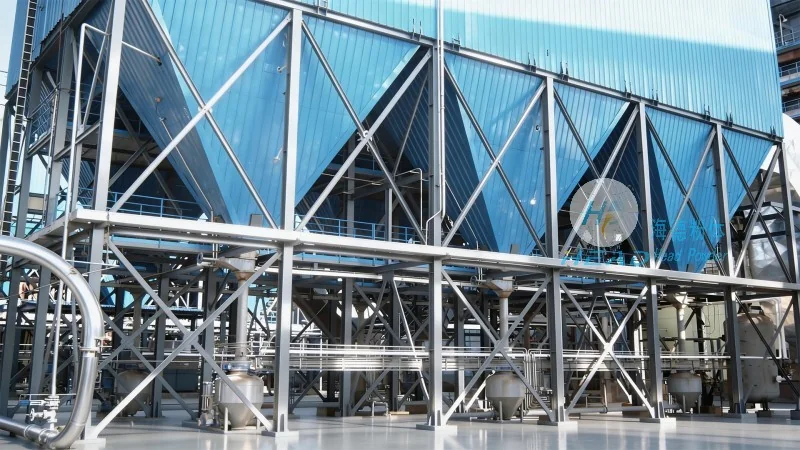
Structural Components and Working Principle
The core structure of the pneumatic conveying system consists of several key components that work in concert to achieve effective material transport. These include the material feed hopper, which stores and feeds the bulk material into the system; the air compressor or blower, which generates the necessary pressure to move the material; the conveying pipeline, which forms the main transport route; and the discharge hopper or silo, where the material is collected at the receiving end. The working principle relies on the principle of fluidization, where the material is suspended in the air stream and carried through the pipeline. Depending on the system design, it can be categorized as positive pressure, negative pressure, or a combination of both, each tailored to specific material characteristics and operational requirements.
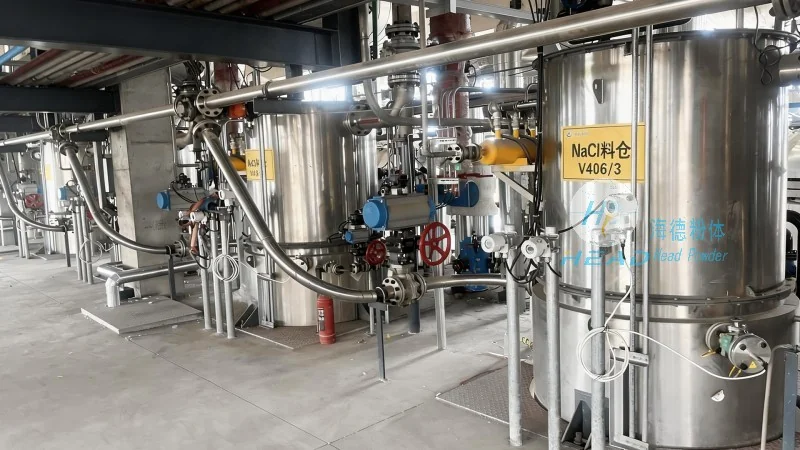
Advantages and Applications
Implementing ship loading and unloading pneumatic conveying equipment offers numerous advantages for port operators. These include improved safety by reducing manual handling of heavy or hazardous materials, enhanced productivity through continuous and automated transport, and reduced environmental impact by minimizing dust and spillage. The technology is widely applied in various industries, including agriculture, chemicals, and mining, where bulk materials are frequently handled in large quantities. For example, in grain terminals, the equipment efficiently transfers wheat, corn, and other cereals from ships to storage silos, ensuring smooth supply chain operations. Similarly, in chemical plants, it facilitates the transport of powders and granules between processing units and storage facilities, maintaining consistent production flow.
Technical Specifications and Customization
HeadPowder offers a range of pneumatic conveying systems tailored to meet diverse customer needs. The equipment is designed with modular components, allowing for easy installation, maintenance, and scalability. Technical specifications vary based on factors such as material type, flow rate, and system pressure. For instance, the positive pressure system is suitable for long-distance transport and handling of fine powders, while the negative pressure system is ideal for short-distance transport and handling of bulk materials. Our engineering team works closely with clients to assess their specific requirements and develop customized solutions that optimize performance and cost-effectiveness. This approach ensures that the equipment not only meets current operational needs but also adapts to future growth and technological advancements.




