Clay coal powder pneumatic conveying systems represent a sophisticated method for transporting fine particulate materials, such as clay and coal powders, through a pressurized or vacuum environment. This technology is widely utilized in industrial applications where efficient and dust-free material handling is critical. The system operates by using air or gas to move the powder from a source to a destination, eliminating the need for mechanical components like belts or buckets that might cause contamination or inefficiency.
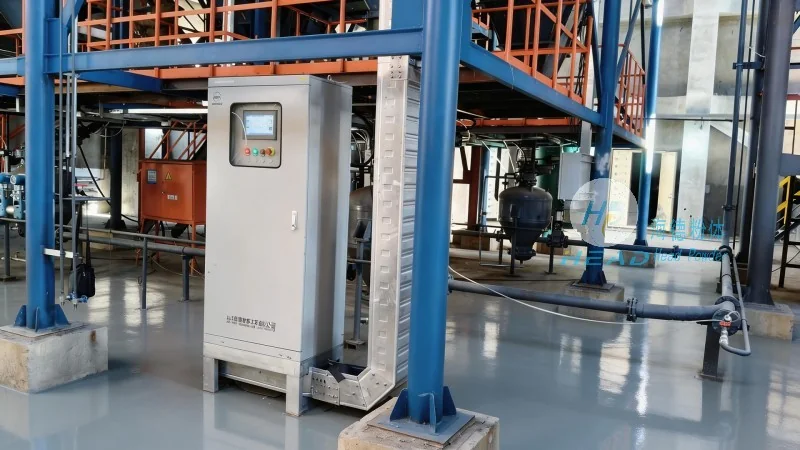
Core Components and Structural Principles
The fundamental structure of a clay coal powder pneumatic conveying system comprises several key components, each playing a vital role in the overall operation. The primary elements include a material feed hopper, a conveying pipeline, a pressure or vacuum source (such as a blower or vacuum pump), and a discharge unit. The feed hopper is designed to store and meter the clay coal powder, ensuring a consistent flow into the system. The pipeline, typically made of corrosion-resistant materials like stainless steel or plastic, transports the powder under controlled pressure. The pressure source generates the necessary airflow to move the material, while the discharge unit collects the powder at the end of the pipeline, often equipped with filters to prevent dust emissions.
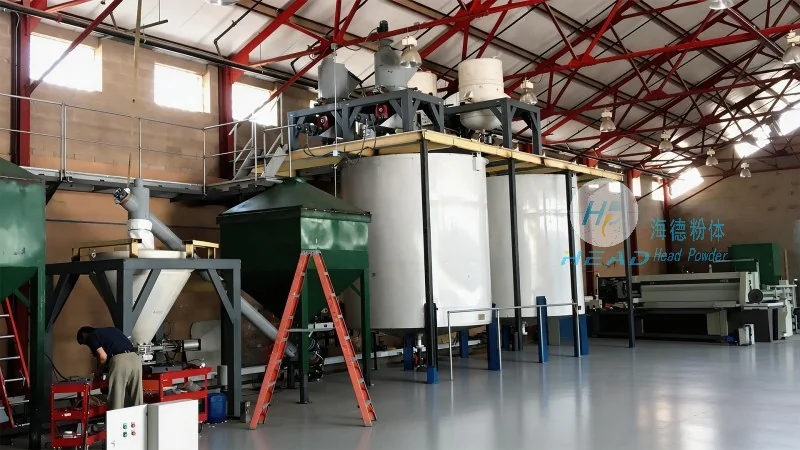
Working Principle and Operational Mechanics
The operational principle of a clay coal powder pneumatic conveying system is based on the physics of fluidization and particle suspension. When air is introduced into the pipeline at a sufficient velocity, it creates a fluidized bed within the conveying line, allowing the clay coal powder particles to be suspended and carried along with the air stream. The velocity of the air must be maintained above the minimum conveying velocity, which is determined by the particle size, density, and other physical properties of the clay coal powder. This ensures that the particles remain entrained in the air and do not settle out of the pipeline. The system can operate in either positive pressure or negative pressure modes. In positive pressure systems, the blower pushes air and powder through the pipeline, while in negative pressure systems, a vacuum pump draws the material and air from the source to the discharge point. Both modes are effective, with the choice depending on the specific application and the layout of the conveying system.
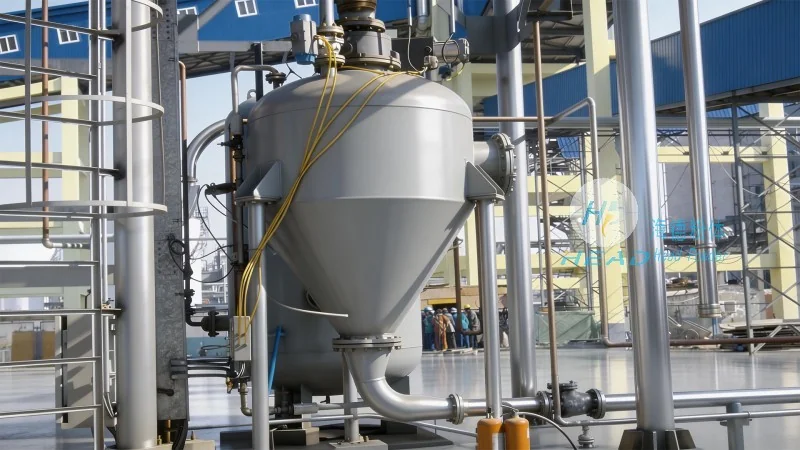
Advantages of Clay Coal Powder Pneumatic Conveying
Clay coal powder pneumatic conveying systems offer several advantages over traditional mechanical conveying methods. One of the most significant benefits is the elimination of dust and contamination, as the material is contained within the pipeline and filtered at the discharge point. This is particularly important in industries where product purity is essential, such as pharmaceuticals or food processing. Additionally, pneumatic conveying systems are more flexible in terms of layout, as they can be installed in various configurations, including vertical, horizontal, or a combination of both, to suit the specific requirements of the facility. The systems also provide better control over the flow rate and pressure, allowing for precise material handling. Furthermore, they can handle materials with varying particle sizes and moisture content, making them versatile for different industrial applications.
Applications in Industrial Settings
Clay coal powder pneumatic conveying systems are widely used in various industrial sectors. In the mining industry, they are employed to transport coal from mines to processing plants. In the chemical industry, they are used to handle clay powders for the production of ceramics, bricks, and other building materials. The food industry also utilizes these systems for transporting flour, spices, and other fine powders, ensuring a hygienic and efficient process. Additionally, in the pharmaceutical industry, pneumatic conveying is used to transport raw materials and finished products, maintaining the purity and quality of the materials. The versatility of the system makes it suitable for a wide range of applications where fine particulate materials need to be transported efficiently and safely.
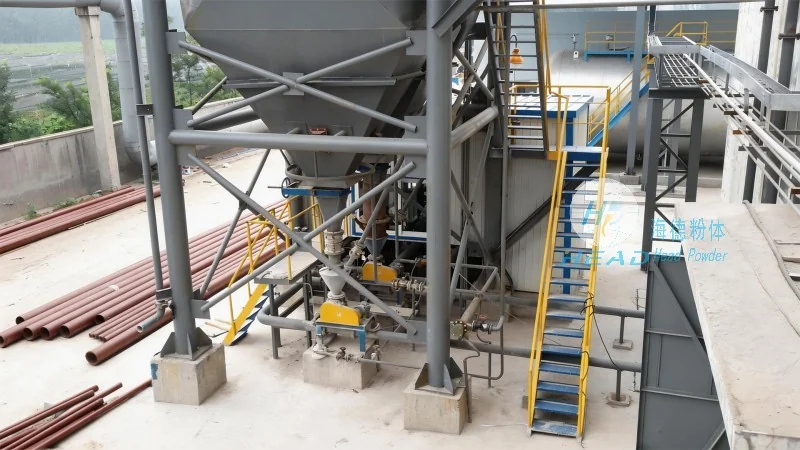
Installation and Maintenance Considerations
Proper installation and regular maintenance are crucial for the efficient and reliable operation of clay coal powder pneumatic conveying systems. During installation, the pipeline must be properly aligned and secured to prevent vibrations and leaks. The material feed hopper should be designed to prevent clogging and ensure a consistent flow of the clay coal powder. The pressure source must be sized appropriately to handle the required flow rate and pressure, considering the length and diameter of the pipeline. Regular maintenance includes checking for leaks in the pipeline, cleaning the filters at the discharge point, and inspecting the components for wear and tear. Proper maintenance can extend the lifespan of the system and ensure consistent performance over time.




