Resin sand pneumatic conveying is a critical technology in the foundry industry, engineered to efficiently transport resin-coated sand from one location to another. This method leverages air as the primary medium to move the sand particles, offering advantages such as reduced labor costs, enhanced safety, and improved process control. The subsequent sections will delve into the fundamental structure and operational principles of this system, providing a comprehensive overview for professionals in the casting sector.
About HeadPowder: Your Expert in Pneumatic Conveying Solutions
HeadPowder, operating as Shandong HeadPowder Engineering Co., Ltd., is a leading manufacturer and supplier of advanced pneumatic conveying systems specifically designed for the foundry industry. With a strong operational presence in China, particularly in the Shandong province, the company has positioned itself as a trusted partner for businesses seeking reliable and efficient resin sand handling solutions. Our dedication to quality and innovation ensures that our products meet the highest industry standards, supporting the productivity and sustainability of modern casting operations.
Structural Components of Resin Sand Pneumatic Conveying Systems
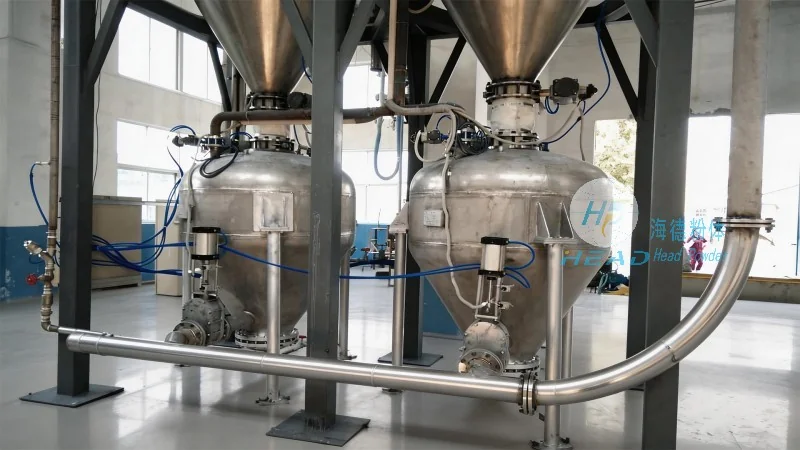
The core components of a resin sand pneumatic conveying system consist of the hopper, air compressor, conveying line, and collection bin. The hopper functions as the storage and feeding unit, where resin sand is loaded and prepared for transport. The air compressor generates the necessary air pressure to create a flow of air through the system, propelling the sand particles along the conveying line. The conveying line, typically constructed from durable materials like stainless steel or high-density polyethylene, ensures the efficient movement of the sand while minimizing particle loss or degradation. Finally, the collection bin receives the conveyed sand, completing the transport process. Each component is meticulously designed to work in harmony, optimizing the overall performance of the system.
Working Principle of Resin Sand Pneumatic Conveying
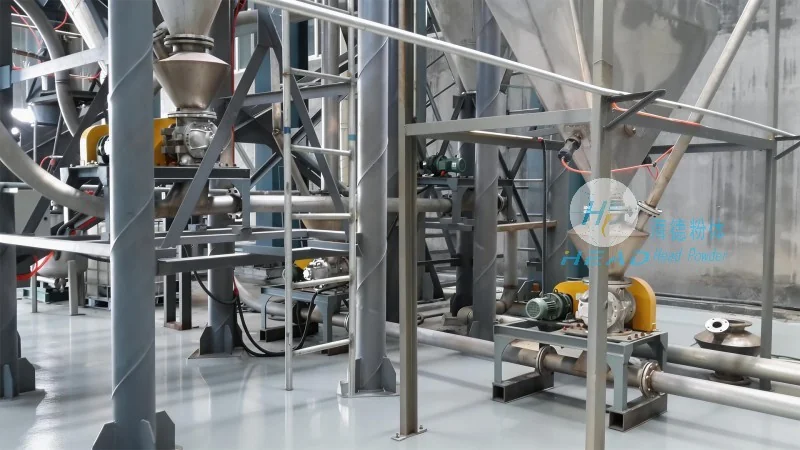
The operation of a resin sand pneumatic conveying system follows a systematic process. Initially, the resin sand is fed into the hopper from a storage silo or batch mixer. The air compressor then activates, drawing air from the hopper and creating a low-pressure zone. This pressure differential causes the sand particles to be entrained by the air stream, forming a dense mixture known as a "sand-air slurry." The slurry travels through the conveying line at high velocity, reaching the collection bin where the air is separated from the sand. The air is typically recycled back to the hopper or released into the atmosphere, while the sand is collected for further use in the casting process. This continuous cycle ensures efficient and consistent transport of resin sand, reducing downtime and enhancing production efficiency.
Advantages of Resin Sand Pneumatic Conveying
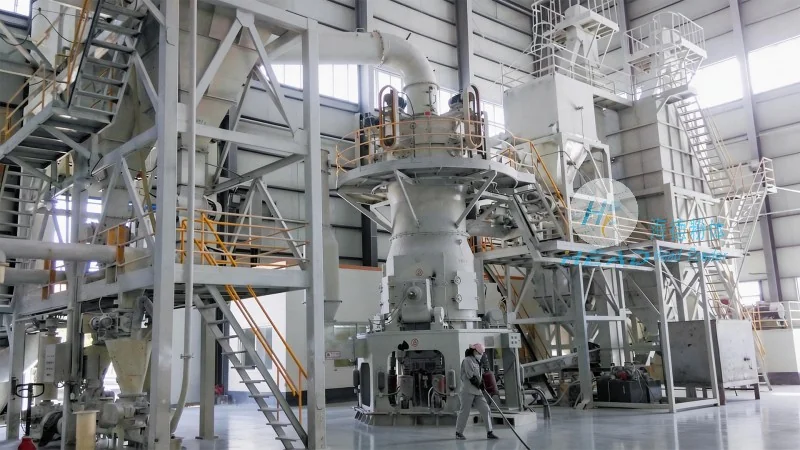
Resin sand pneumatic conveying offers several key advantages over traditional methods such as belt conveyors or manual handling. Firstly, it eliminates the need for physical contact between the sand and equipment, reducing the risk of contamination and improving product quality. Secondly, the system is highly flexible, allowing for easy integration into existing production lines or expansion as production needs grow. Thirdly, it significantly reduces labor costs by automating the sand transport process, freeing up personnel for other critical tasks. Additionally, the system is compact and space-efficient, making it suitable for both new installations and retrofitting into existing facilities. These benefits make resin sand pneumatic conveying an attractive solution for foundries aiming to enhance their operational efficiency and sustainability.
Applications in the Foundry Industry
Resin sand pneumatic conveying is widely utilized in various applications within the foundry industry. It is commonly employed in the transport of resin-coated sand from the mixing and drying areas to the molding machines, ensuring a consistent supply of high-quality sand for casting operations. The system is also utilized in the return of used sand from the molding line back to the reclamation or recycling system, facilitating the closed-loop process of sand reuse. Furthermore, it can be integrated into automated sand handling lines, supporting the production of complex castings with high precision and efficiency. By optimizing the sand transport process, resin sand pneumatic conveying contributes to the overall productivity and cost-effectiveness of foundry operations.




