For industrial applications that require precise material measurement and blending, the weighing and mixing system plays a crucial role. This system is designed to ensure accurate proportioning of raw materials, which is essential for maintaining product quality and consistency in manufacturing processes. The following overview will explore the fundamental structure and operational principles of such systems, highlighting key components and their functions.
Key Components of a Weighing and Mixing System
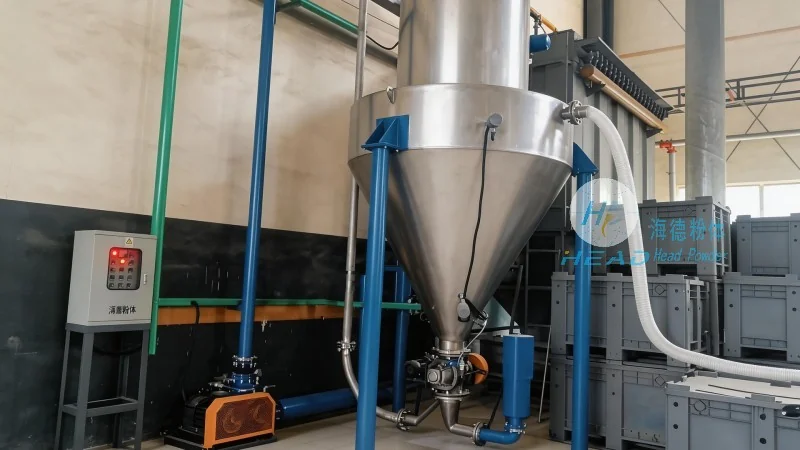
The core components of a typical weighing and mixing system include load cells, hoppers, conveyor mechanisms, and control units. Load cells are sensors that convert the weight of materials placed on them into electrical signals, providing real-time data on the mass being measured. Hoppers are containers that hold different raw materials, and their design can vary based on the material's properties, such as bulk density or flow characteristics. Conveyor systems, often equipped with adjustable speed controls, transport materials from the hoppers to the weighing area. The control unit, usually a programmable logic controller (PLC) or a dedicated software interface, processes the signals from load cells and manages the operation of the conveyor and mixing processes.
Structural Layout and Operational Flow
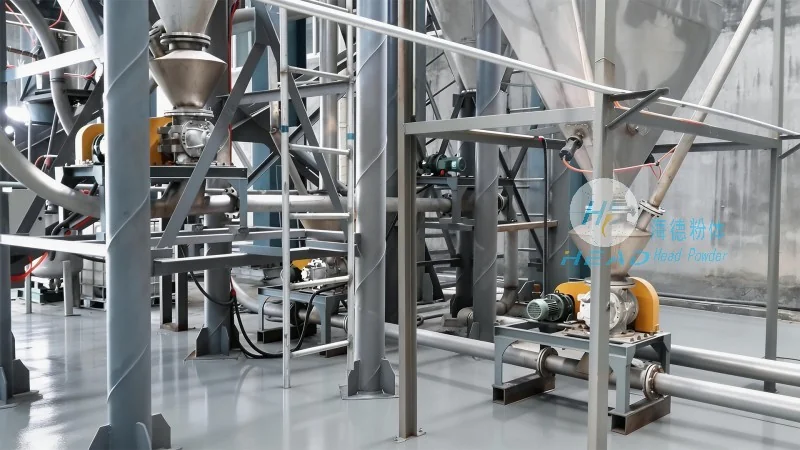
The structural layout of a weighing and mixing system is typically modular, allowing for flexibility in accommodating different material types and production volumes. Materials are first introduced into the hoppers, where they are stored until needed. When a batch is initiated, the control unit activates the conveyor system to transport the required amount of each material from the hoppers to the weighing platform. The load cells then measure the mass of each material, and the control unit compares the actual weight against the set target values. If the measured weight is within the acceptable tolerance, the material is released to the mixing chamber. This process is repeated for all ingredients until the final mixture is achieved. The mixing chamber may include agitators or other mixing tools to ensure uniform blending of the materials.
Company Overview: Shandong HeadPowder Engineering Co., Ltd.
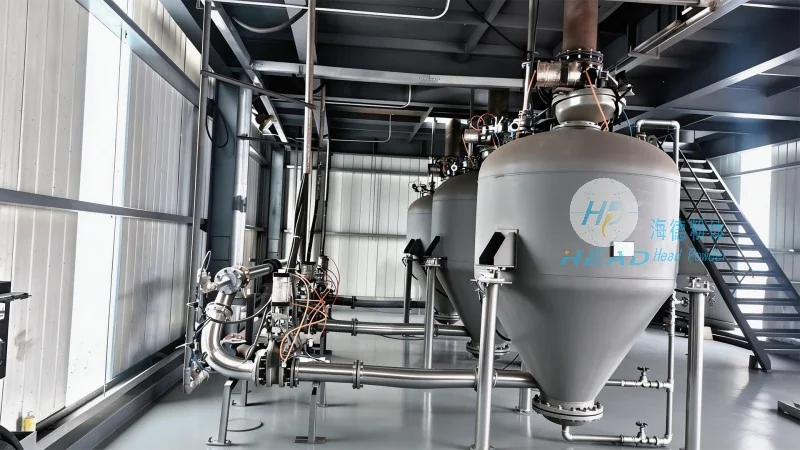
Shandong HeadPowder Engineering Co., Ltd., operating under the brand name headpowder, specializes in the design, manufacturing, and integration of advanced weighing and mixing systems. With a focus on precision engineering, the company provides customized solutions tailored to the specific needs of various industries, including food processing, chemical manufacturing, and pharmaceutical production. The company's facilities are located in Shandong, China, where it leverages local expertise and resources to deliver high-quality products and services. By adhering to international standards and employing advanced manufacturing techniques, headpowder ensures that its systems meet the stringent requirements of modern industrial applications.
Technical Advantages and Applications
The weighing and mixing systems developed by headpowder are characterized by their high accuracy, reliability, and adaptability. The integration of digital load cells and advanced control software enables real-time monitoring and adjustment of the mixing process, minimizing errors and optimizing material usage. These systems are particularly suitable for applications where consistent product quality is paramount, such as in the production of food additives, chemical compounds, and pharmaceutical ingredients. The modular design allows for easy expansion or modification, making them suitable for both small-scale and large-scale production environments. Additionally, the systems are designed for easy maintenance and cleaning, ensuring compliance with hygiene standards in industries like food and pharmaceuticals.
Conclusion
In summary, the weighing and mixing system is a critical component in modern manufacturing, enabling precise control over material proportioning and blending. The structural design and operational principles of these systems, as exemplified by the solutions offered by Shandong HeadPowder Engineering Co., Ltd., ensure high performance and reliability. By understanding the key components and the operational flow, users can appreciate the importance of these systems in maintaining product quality and efficiency in industrial processes.




