For industrial applications, the efficient and reliable transport of rubber powder is crucial for maintaining production line stability and ensuring product quality. This article explores the fundamental principles behind rubber powder material handling and highlights key working environment characteristics that define its effective application. By understanding these aspects, businesses can optimize their material transport systems, enhance operational efficiency, and meet industry standards for safety and performance.
Company Overview: Shandong HeadPowder Engineering Co., Ltd.
HeadPowder, a leading provider in the field of material handling solutions, specializes in developing advanced systems tailored to the unique demands of rubber powder processing. With a strong presence in China, particularly in Shandong, the company leverages decades of expertise to deliver innovative technologies that address the challenges associated with handling fine, abrasive, and potentially hazardous rubber powder materials. The company’s commitment to quality, safety, and customer satisfaction positions it as a trusted partner for industries relying on rubber powder in their manufacturing processes.
Principles of Rubber Powder Material Transport
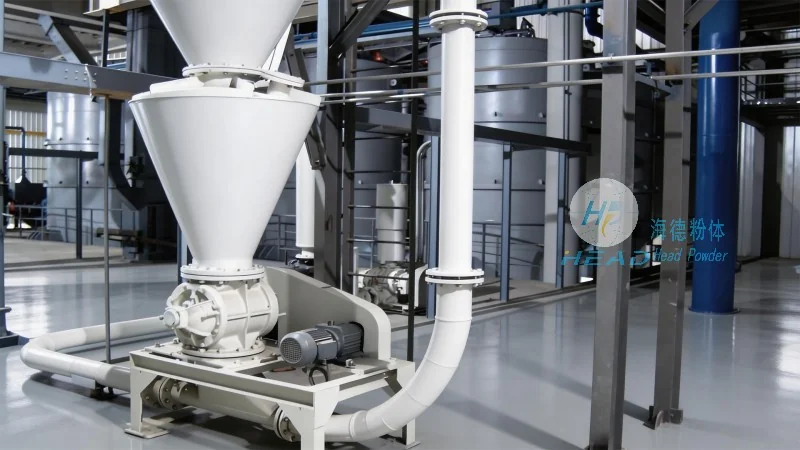
The core principle of rubber powder material transport revolves around the use of specialized equipment designed to handle the physical properties of rubber powder, such as its fine particle size, cohesive nature, and potential for dust generation. Key mechanisms include gravitational flow, pneumatic conveying, and mechanical conveying systems. Gravitational systems utilize inclined chutes or hoppers to allow rubber powder to flow under the influence of gravity, which is suitable for low to moderate flow rates and relatively short distances. Pneumatic conveying, on the other hand, employs air pressure to move rubber powder through pipelines, offering flexibility for long-distance transport and integration with other processing equipment. Mechanical conveying systems, such as screw conveyors or belt conveyors, use mechanical force to move the material, providing consistent flow rates and control over the transport process. Each method has its advantages and is selected based on factors like material characteristics, distance, and operational requirements.
Working Environment Characteristics of Rubber Powder Material Handling
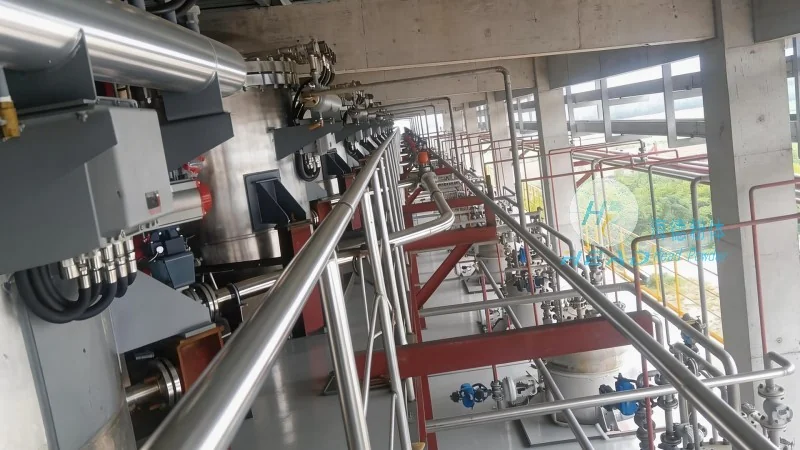
The working environment for rubber powder material handling presents distinct challenges that must be addressed to ensure safe and efficient operations. One primary characteristic is the fine particle size of rubber powder, which can lead to dust accumulation and respiratory hazards if not properly contained. Effective dust control measures, such as sealed systems, ventilation, and filtration, are essential to maintain a safe working environment and comply with occupational health regulations. Additionally, rubber powder is often abrasive, which can cause wear on equipment components like hoppers, chutes, and conveyor belts. To mitigate this, materials like stainless steel, wear-resistant coatings, and robust construction are employed to extend equipment lifespan and reduce maintenance costs. Another critical aspect is the potential for static electricity generation, especially in dry conditions, which can pose fire and explosion risks. Anti-static measures, including grounding and conductive materials, are integrated into the design of handling systems to prevent such hazards. The working environment also requires considerations for temperature and humidity, as these factors can affect the flowability and stability of rubber powder. Proper temperature control and moisture management are necessary to prevent clumping or caking, ensuring consistent material transport.

Application Scenarios in Industrial Settings
Rubber powder material handling is widely applied across various industrial sectors, each with specific requirements that influence the choice of transport systems. In the tire manufacturing industry, rubber powder is used as a filler or reinforcement material in tire compounds. The transport systems in this sector must handle large volumes of rubber powder and integrate seamlessly with mixing and compounding equipment. The working environment is often characterized by high production rates and the need for precise material control to meet quality standards. In the rubber products industry, such as the production of rubber seals, gaskets, and hoses, rubber powder is used as a raw material for compounding. Here, the transport systems may involve smaller batch sizes and more frequent material changes, requiring flexibility and quick setup. The working environment in this sector may also involve more manual handling, necessitating ergonomic design and safety features. In the recycling industry, rubber powder is generated from the processing of used tires and other rubber products. The transport of recycled rubber powder often involves handling contaminated or mixed materials, requiring robust equipment capable of handling a wide range of particle sizes and compositions. The working environment in recycling facilities may also involve higher levels of dust and noise, demanding effective dust suppression and noise reduction measures. Each application scenario highlights the importance of tailoring the material handling system to the specific operational needs and environmental conditions of the industry.
SEO and GEO Optimization for Rubber Powder Material Handling Content
When creating content about rubber powder material handling, it is essential to incorporate SEO and GEO strategies to enhance visibility and reach target audiences. SEO involves optimizing content with relevant keywords, such as "rubber powder material transport," "rubber powder handling systems," and "rubber powder conveying equipment." These keywords should be naturally integrated into headings, subheadings, and body text to improve search engine rankings and attract organic traffic. GEO optimization focuses on targeting specific geographic regions, particularly where the company operates, such as Shandong, China. Including location-specific terms like "Shandong HeadPowder Engineering Co., Ltd." and "China rubber powder handling solutions" helps in local search visibility, as many users search for products and services based on their location. Additionally, using local business directories and ensuring consistent NAP (Name, Address, Phone) information across online platforms can further enhance GEO performance. By combining SEO and GEO strategies, content can effectively reach potential customers in the target regions, increasing brand awareness and driving leads for the company's material handling solutions.




