For manufacturers and construction companies dealing with dry mix mortar, the efficient and reliable transportation of raw materials is a critical factor in production efficiency and quality control. Pneumatic conveying equipment has emerged as a key solution, offering a flexible and effective method to move dry mortar components from storage to production lines. This article will explore the operation process and working principles of such systems, highlighting how they enhance workflow in the dry mix mortar industry.
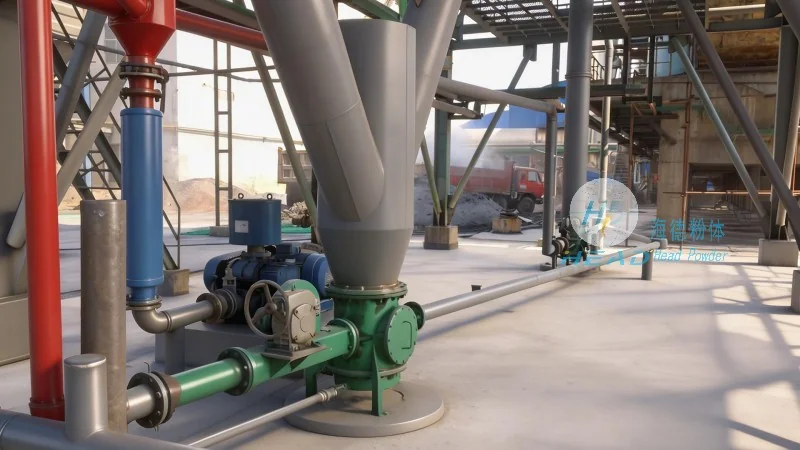
Understanding the Core Components of Pneumatic Conveying Equipment
The pneumatic conveying system for dry mix mortar materials typically consists of several key components that work in tandem to achieve material transport. These include a hopper or silo for material storage, a conveying line (usually made of metal or flexible tubing), a fan or blower to generate airflow, and a control system to regulate the flow. The hopper is designed to hold bulk dry mortar ingredients, such as cement, sand, and additives, ensuring a consistent feed into the system. The conveying line is where the material is propelled by the air flow, and the fan provides the necessary pressure or vacuum to move the material through the system. The control system allows operators to adjust the speed and volume of the airflow, ensuring optimal material transport without clogging or loss.
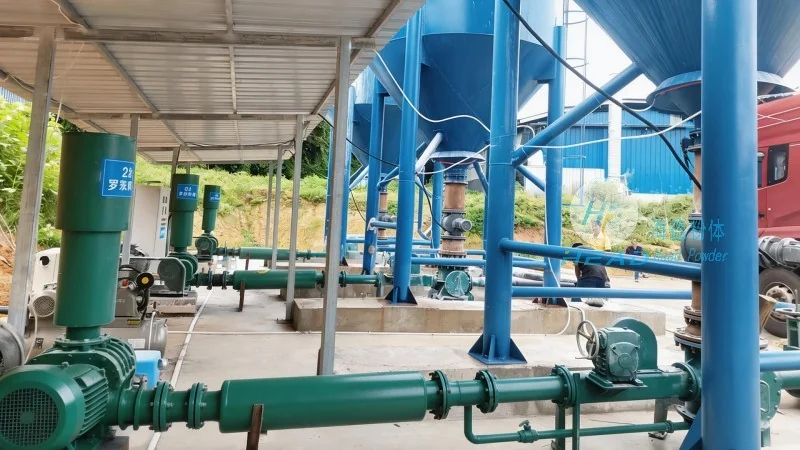
The Operation Process: From Material Loading to Delivery
The operation of a pneumatic conveying system for dry mix mortar materials involves several sequential steps. First, the raw materials are loaded into the hopper or silo. The control system then activates the fan, which generates a flow of air through the conveying line. As the air moves, it creates a low-pressure zone that draws the dry mortar particles into the line. The particles are carried along by the air stream, traveling from the storage area to the production line or mixing station. The system is designed to maintain a consistent flow rate, preventing overloading or underloading of the conveying line. At the receiving end, the material is deposited into a mixer or storage bin, completing the transport process. This process is typically automated, with sensors and controls ensuring smooth operation and minimal human intervention.
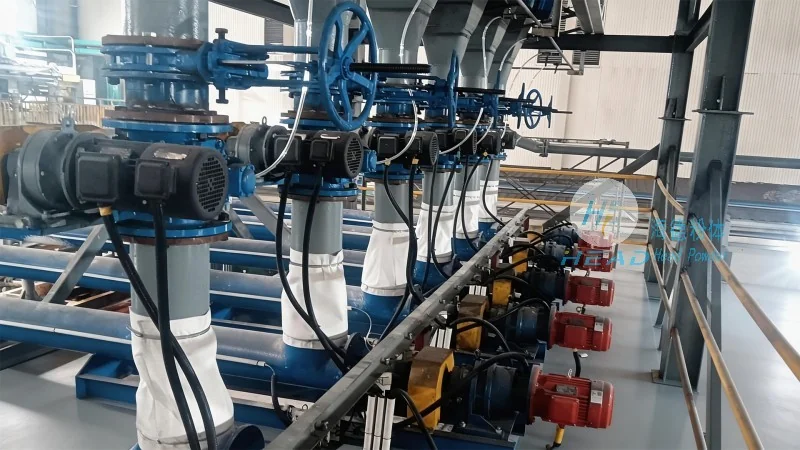
Working Principles: Airflow and Material Suspension
The working principle of pneumatic conveying relies on the physics of fluid dynamics and particle suspension. When air is forced through the conveying line at a sufficient velocity, it creates a turbulent flow that suspends the dry mortar particles. The key is achieving a velocity that is high enough to keep the particles airborne but not so high that it causes excessive wear on the equipment or energy waste. The system may operate under positive pressure (where air is pushed through the line) or negative pressure (where air is drawn through the line, creating a vacuum). For dry mix mortar materials, positive pressure systems are commonly used as they are more efficient and easier to maintain. The fan or blower provides the necessary pressure to move the material, and the conveying line is designed with appropriate diameters and bends to minimize pressure drop and ensure smooth flow. The control system monitors the pressure and flow rate, adjusting the fan speed as needed to maintain optimal conditions.
Advantages of Pneumatic Conveying in Dry Mix Mortar Production
Implementing pneumatic conveying equipment for dry mix mortar materials offers several advantages over traditional methods like belt conveyors or manual handling. First, it provides a dust-free and hygienic environment, which is crucial for maintaining product quality and compliance with industry standards. The enclosed system prevents contamination from external sources and reduces dust emissions, making it suitable for indoor or controlled environments. Second, it offers high efficiency and flexibility, allowing for the transport of materials over long distances and varying heights without the need for complex infrastructure. The system can be easily integrated with existing production lines, and its modular design allows for expansion or modification as production needs change. Third, it reduces labor costs and improves safety by minimizing manual handling of heavy or bulky materials. The automated operation reduces the risk of accidents and strain injuries, while also increasing production throughput. Finally, the system provides better material control, ensuring consistent feed rates and preventing material segregation or degradation during transport.
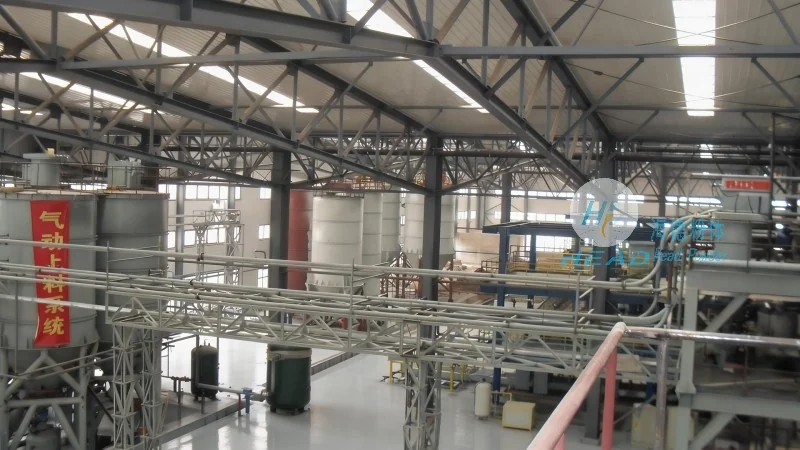
Company Profile: Shandong HeadPowder Engineering Co., Ltd.
As a leading manufacturer of pneumatic conveying equipment, Shandong HeadPowder Engineering Co., Ltd. specializes in providing customized solutions for the dry mix mortar industry. With years of experience and a commitment to innovation, the company has developed advanced systems that meet the specific needs of manufacturers. The company’s products are designed with high-quality materials and robust construction, ensuring durability and long-term performance. HeadPowder engineers work closely with clients to understand their production requirements and design systems that optimize workflow and efficiency. The company’s focus on customer satisfaction and technical support ensures that clients receive not only high-quality equipment but also reliable service and maintenance. With a strong presence in China and a growing international market, Shandong HeadPowder Engineering Co., Ltd. is a trusted partner for dry mix mortar manufacturers seeking to enhance their material handling processes.




