Phenolic resin, a widely used synthetic resin in industrial applications, often requires efficient and reliable material handling solutions for its transportation. The pneumatic conveying machine, specifically designed for phenolic resin materials, offers an advanced method to achieve this. This article delves into the operation process and working principle of such a machine, highlighting its key components, operational steps, and the benefits it provides in material handling. Shandong HeadPowder Engineering Co., Ltd., a leading manufacturer in the field, specializes in developing customized pneumatic conveying solutions tailored to the unique requirements of phenolic resin processing.
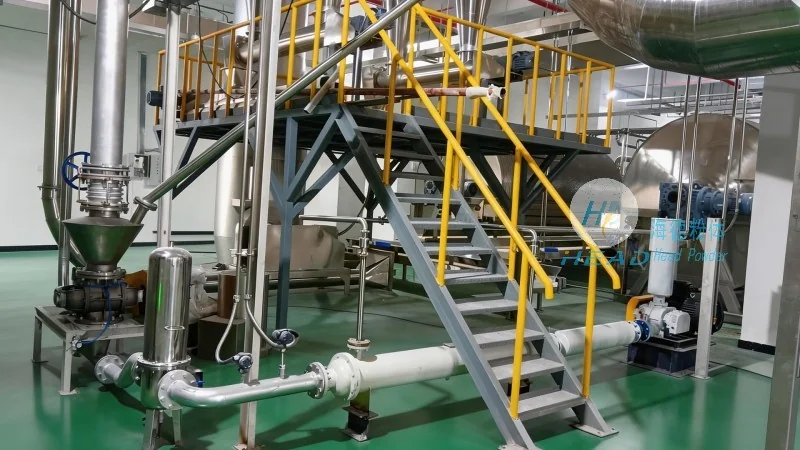
Overview of Phenolic Resin Pneumatic Conveying Systems
Phenolic resin, known for its excellent heat resistance, electrical insulation properties, and mechanical strength, is commonly used in the production of adhesives, coatings, and composites. Handling this material efficiently is crucial for maintaining production efficiency and product quality. The pneumatic conveying system is a closed-loop system that uses compressed air to transport phenolic resin particles from one location to another, eliminating the need for manual handling and reducing the risk of contamination or dust exposure.
Key Components of the Pneumatic Conveying Machine
The phenolic resin pneumatic conveying machine consists of several critical components that work in tandem to ensure smooth operation. These include the hopper (feeder), air compressor, conveying pipe, control valve, and dust collector. The hopper is responsible for storing and feeding the phenolic resin into the system, while the air compressor generates the necessary pressure to move the material through the pipe. The conveying pipe is typically made of materials resistant to phenolic resin, such as stainless steel or special plastics, to prevent corrosion and material degradation. The control valve regulates the flow of air and material, ensuring consistent and controlled transportation. Finally, the dust collector captures any airborne particles, maintaining a clean and safe working environment.
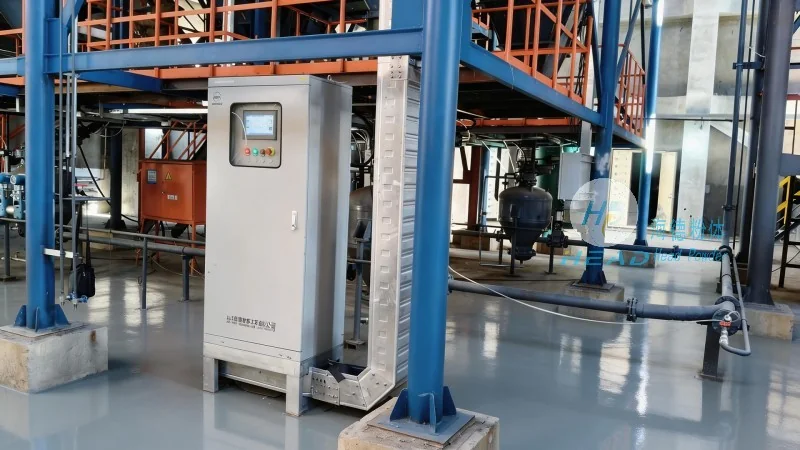
Operation Process of the Pneumatic Conveying Machine
The operation of the phenolic resin pneumatic conveying machine involves several sequential steps. First, the phenolic resin is loaded into the hopper. The hopper is equipped with a feeder that controls the rate of material discharge, ensuring a steady flow into the conveying pipe. Simultaneously, the air compressor starts and generates compressed air. The compressed air is then introduced into the conveying pipe, creating a pressure differential that propels the phenolic resin particles forward. As the material travels through the pipe, it is mixed with the air, forming a slurry-like mixture. The mixture continues to move until it reaches the discharge point, where the air and material are separated. The air is then released into the atmosphere or recirculated, while the phenolic resin is collected in the receiving container. The control system monitors the pressure, flow rate, and material level, adjusting the operation parameters as needed to maintain optimal performance.
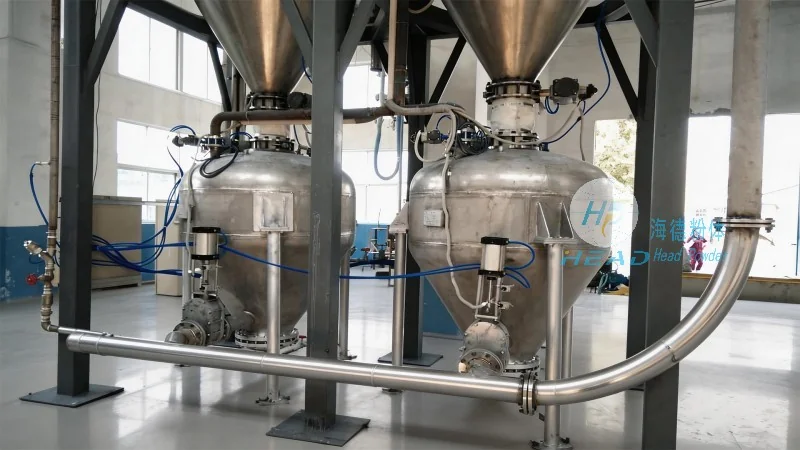
Working Principle: How the System Transports Phenolic Resin
The working principle of the phenolic resin pneumatic conveying machine is based on the principles of fluid dynamics and particle transport. The system operates on either positive or negative pressure, depending on the application. In positive pressure systems, compressed air is forced into the conveying pipe, pushing the material forward. In negative pressure systems, a vacuum is created at the discharge end, drawing the material through the pipe. For phenolic resin, a positive pressure system is often preferred as it provides better control over the material flow and reduces the risk of material degradation due to friction or pressure changes. The air velocity in the pipe must be sufficient to overcome the gravitational force and the frictional resistance of the phenolic resin particles, ensuring that the material is fully suspended and transported efficiently. The design of the conveying pipe, including its diameter and length, is critical to achieving optimal air velocity and minimizing pressure drop, which directly impacts the system's efficiency and capacity.
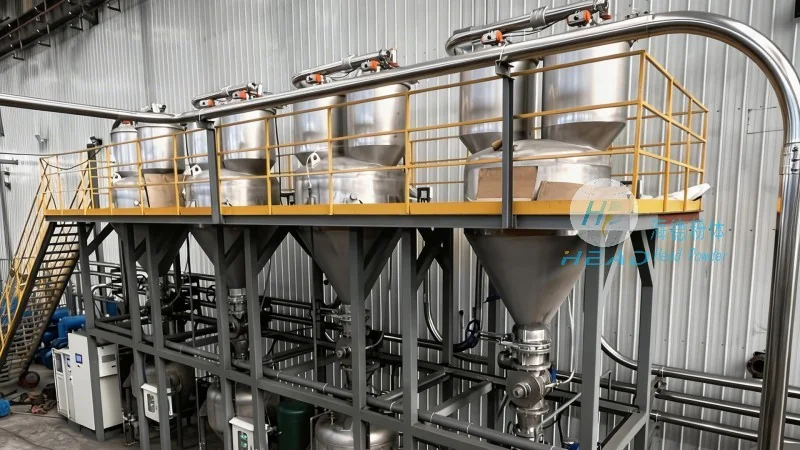
Benefits and Applications of Phenolic Resin Pneumatic Conveying Machines
The use of a pneumatic conveying machine for phenolic resin offers numerous benefits. Firstly, it provides a clean and dust-free environment, which is essential for maintaining product quality and compliance with industrial standards. Secondly, it eliminates the need for manual handling, reducing labor costs and the risk of workplace injuries. Thirdly, the system is highly efficient, with minimal material loss and low maintenance requirements. These advantages make the phenolic resin pneumatic conveying machine suitable for various applications, including the production of phenolic resins, adhesives, and composite materials. Shandong HeadPowder Engineering Co., Ltd. has successfully implemented such systems in numerous industrial settings, demonstrating their effectiveness in improving production efficiency and product quality.
Conclusion
Phenolic resin material pneumatic conveying machines are advanced solutions for efficient and reliable material handling in industrial applications. By understanding the operation process and working principle of such machines, users can optimize their material handling processes, improve product quality, and enhance overall operational efficiency. The system's key components, operational steps, and benefits make it a valuable asset for companies dealing with phenolic resin materials. As the demand for high-quality phenolic resin products continues to grow, the adoption of advanced pneumatic conveying systems will remain crucial in meeting production requirements and maintaining competitiveness in the market.




