HeadPowder, a leading manufacturer in the field of material handling equipment, specializes in the design, production, and supply of advanced pneumatic conveying systems tailored for lithium cobalt oxide (LiCoO₂) materials. Based in Shandong, China, the company has established itself as a trusted partner for industries requiring efficient and reliable transport solutions for high-value lithium compounds.
Introduction to Lithium Cobalt Oxide Pneumatic Conveying Systems
Lithium cobalt oxide (LiCoO₂) is a critical component in the production of lithium-ion batteries, widely used in electric vehicles, portable electronics, and renewable energy storage systems. The safe and efficient handling of LiCoO₂ is paramount due to its sensitivity to moisture, contamination, and mechanical stress. Pneumatic conveying machines offer a solution by transporting these materials in a closed system, minimizing exposure to external factors and ensuring product integrity. This article delves into the operation process and working principles of a typical LiCoO₂ material pneumatic conveying machine, highlighting key components, operational steps, and the advantages of such systems.
Key Components of the Pneumatic Conveying System
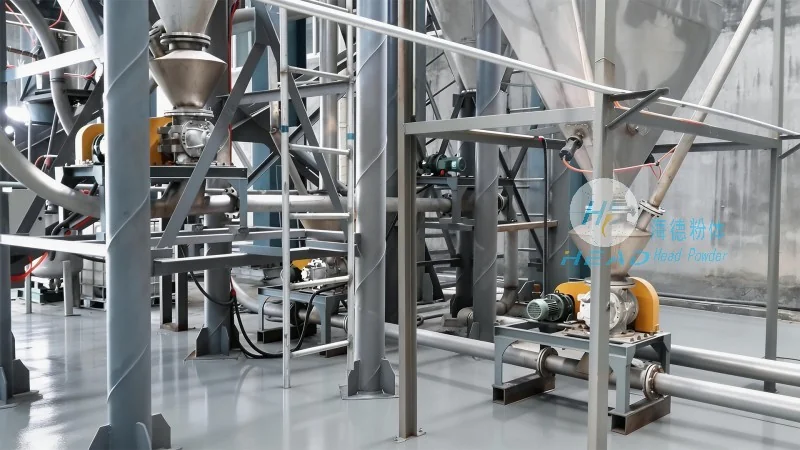
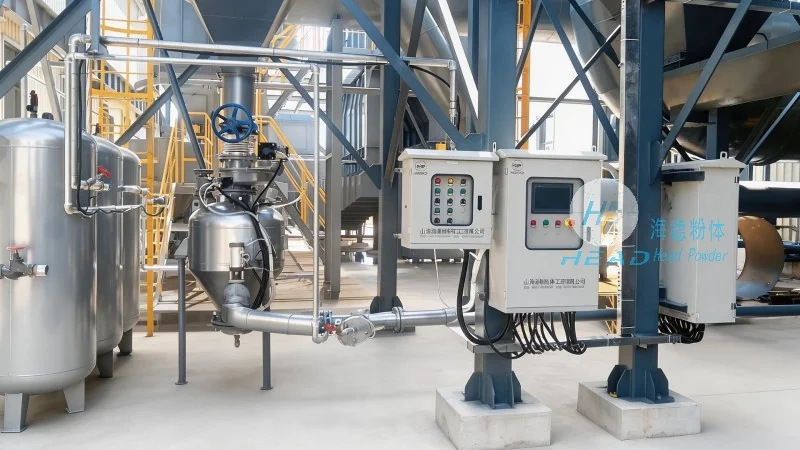
The pneumatic conveying machine for LiCoO₂ typically consists of several interconnected components that work in harmony to achieve material transport. The main components include a hopper for material storage, a rotary valve or feeder to control material discharge, a conveying pipeline, a venturi or air nozzle to create airflow, a filter system to capture fine particles, and a receiver or discharge hopper for the transported material. Each component plays a crucial role in maintaining the integrity of the LiCoO₂ and ensuring smooth operation.
Working Principle of the Pneumatic Conveying Process
The operation of the LiCoO₂ pneumatic conveying machine follows a systematic sequence. First, the material is fed into the hopper from the production line or storage area. The rotary valve or feeder then regulates the flow rate, ensuring a consistent and controlled discharge of the material into the conveying pipeline. Simultaneously, a high-pressure air compressor supplies compressed air to the system. The air is directed through a venturi or air nozzle, which creates a low-pressure zone that draws the material particles into the airflow. As the material is entrained by the air, it travels through the pipeline to the receiver or discharge hopper. The filter system captures any fine particles or dust, preventing contamination and ensuring compliance with environmental regulations. The receiver then collects the transported LiCoO₂, ready for further processing or packaging.
Operation Process: Step-by-Step Guide
The operation process of the LiCoO₂ pneumatic conveying machine can be broken down into the following steps:
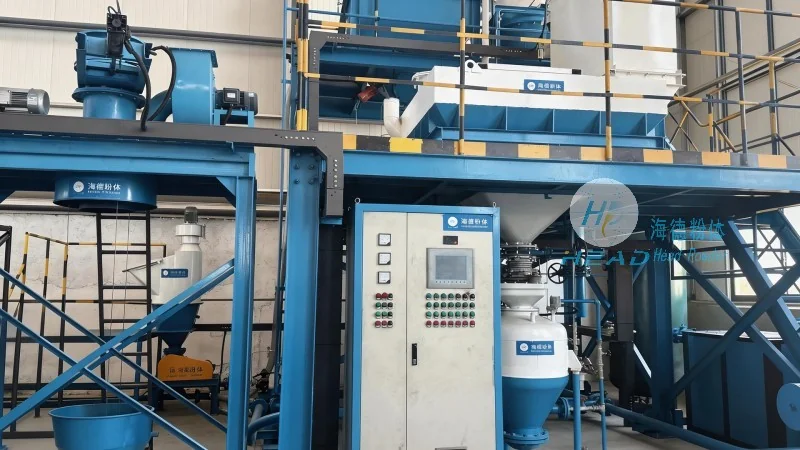
- Material Loading: The hopper is filled with LiCoO₂ material, ensuring a sufficient inventory for continuous operation. The material is stored in a dry, clean environment to prevent moisture absorption and contamination.
- Feeder Activation: The rotary valve or feeder is activated, controlling the flow rate of the material from the hopper into the conveying pipeline. The flow rate is adjusted based on the required transport capacity and the material's characteristics.
- Air Supply Initiation: The air compressor is started, providing a steady supply of compressed air to the system. The air pressure and flow rate are monitored to ensure optimal performance and material transport efficiency.
- Conveying Initiation: The venturi or air nozzle is activated, creating a low-pressure zone that draws the material particles into the airflow. The material is entrained and transported through the pipeline to the receiver.
- Filter System Operation: The filter system continuously captures fine particles and dust, preventing them from entering the receiver or being released into the environment. The filter is periodically cleaned or replaced to maintain efficiency.
- Material Discharge: The transported LiCoO₂ is collected in the receiver or discharge hopper. The material is then transferred to the next processing stage, such as mixing, packaging, or further refinement.
- System Shutdown: When the material transport is complete, the air compressor is turned off, and the feeder and other components are deactivated. The system is then cleaned and maintained to prepare for the next operation cycle.
Advantages of Using Pneumatic Conveying for LiCoO₂
Implementing a pneumatic conveying system for LiCoO₂ offers several advantages over traditional methods like bucket elevators or belt conveyors. Firstly, the closed system minimizes exposure to moisture and contaminants, preserving the material's quality and reducing the risk of degradation. Secondly, the system is highly efficient, with minimal material loss and lower energy consumption compared to other transport methods. Thirdly, the operation is continuous and automated, reducing labor costs and improving production throughput. Additionally, the system is compact and flexible, allowing for easy integration into existing production lines and adaptability to varying material flow rates.
Conclusion
HeadPowder's pneumatic conveying machines for LiCoO₂ materials represent a sophisticated solution for the efficient and reliable transport of high-value lithium compounds. By understanding the operation process and working principles, industries can leverage these systems to enhance productivity, maintain product quality, and comply with environmental regulations. With its headquarters in Shandong, China, HeadPowder continues to innovate and provide tailored solutions to meet the evolving needs of the battery and energy storage industries.




