Guargum powder, a critical component in industries such as food processing, pharmaceuticals, and cosmetics, demands efficient and reliable material handling solutions to preserve its quality and ensure consistent performance. The pneumatic conveying machine engineered specifically for guargum powder represents a sophisticated technology that addresses the unique challenges associated with handling fine, hygroscopic powders. This article provides a comprehensive overview of the operation process and working principle of such a system, detailing the key components, operational steps, and the advantages it offers in material transport.
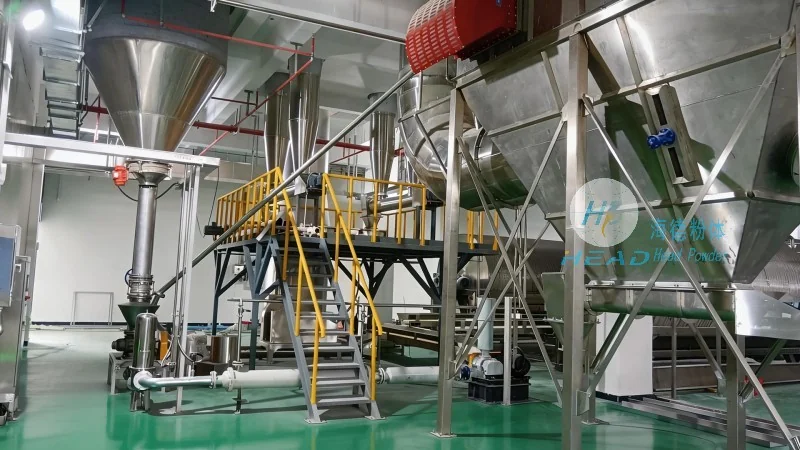
Company Profile: Shandong HeadPowder Engineering Co., Ltd.
Shandong HeadPowder Engineering Co., Ltd., headquartered in Shandong, China, is a leading manufacturer specializing in engineering solutions for powder handling and material transport systems. With a strong emphasis on innovation and customer-centric design, the company has established itself as a trusted partner in providing high-quality pneumatic conveying equipment tailored to diverse industrial needs. The expertise and experience of HeadPowder have enabled the development of advanced systems that optimize the handling of sensitive materials like guargum powder, ensuring minimal product degradation and maximum operational reliability.
Understanding Pneumatic Conveying for Guargum Powder
Pneumatic conveying, also known as pneumatic transport, is a method of moving bulk materials through a pipeline using air or other gases as the conveying medium. For guargum powder, which is characterized by its fine particle size and hygroscopic nature, traditional mechanical conveying methods may lead to issues such as product segregation, caking, and increased dust generation. Pneumatic conveying systems offer a solution by utilizing air pressure to transport the powder in a controlled manner, minimizing contact with external elements and reducing the risk of contamination. The system typically comprises a hopper, a feeder, a conveying line, a receiver, and a dust collection system, all working in tandem to ensure efficient material transport.
Key Components of the Guargum Powder Pneumatic Conveying System
The operation of a guargum powder pneumatic conveying machine relies on several critical components that collaborate to achieve seamless material transport. The first component is the material hopper, which serves as the storage and feeding unit for the guargum powder. The hopper is designed with a smooth interior surface to prevent material buildup and ensure consistent flow. A rotary valve or a star feeder is often installed at the bottom of the hopper to control the discharge rate of the powder, allowing for precise regulation of the material feed into the conveying line.
The second key component is the air compressor or blower, which generates the necessary air pressure to move the powder through the pipeline. The choice of compressor depends on the specific requirements of the system, including the material's properties, the conveying distance, and the desired flow rate. For guargum powder, a positive displacement blower is commonly used due to its ability to maintain consistent air pressure and flow, which is crucial for preventing material blockages and ensuring smooth transport.
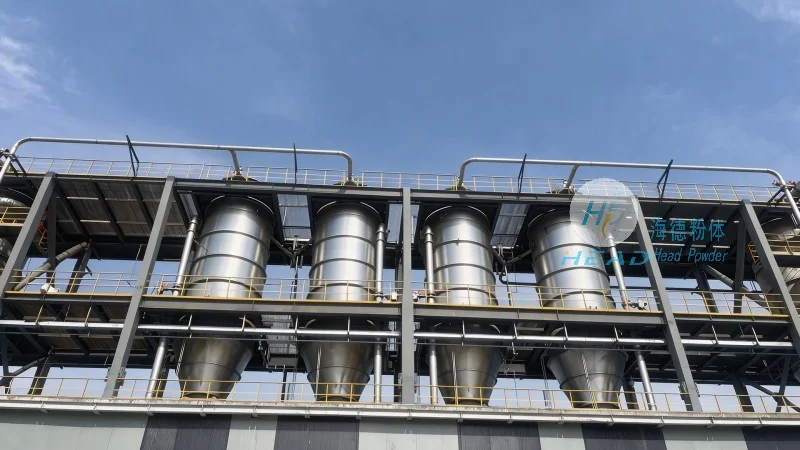
The conveying line, typically made of stainless steel or other corrosion-resistant materials, is the main pathway for the powder and air mixture. The pipeline is designed with appropriate bends and fittings to minimize pressure loss and ensure the efficient movement of the material. The diameter and length of the conveying line are carefully selected based on the material's characteristics and the required transport distance. Additionally, the line may include features such as pressure relief valves and flow meters to monitor and control the system's performance.
The third critical component is the receiver or discharge hopper, where the guargum powder is deposited after being conveyed through the pipeline. The receiver is equipped with a dust collection system, often including a filter or cyclone, to capture any fine particles that may have escaped during the conveying process. This helps maintain a clean and safe working environment while preventing product loss. The receiver may also be designed with a discharge valve or a rotary valve to control the release of the material into the next processing stage.
Working Principle of the Pneumatic Conveying Process
The working principle of the guargum powder pneumatic conveying machine involves a sequence of steps that ensure the efficient transport of the material from the hopper to the receiver. The process begins with the material being fed from the hopper into the conveying line through the rotary valve. Simultaneously, the air compressor generates a flow of air that enters the conveying line at a specific pressure and velocity. The air and powder are mixed in the hopper or at the inlet of the conveying line, creating a slurry-like mixture that is then propelled through the pipeline by the air pressure.
As the mixture travels through the conveying line, the air pressure maintains the flow of the powder, preventing it from settling or caking. The design of the pipeline, including the use of appropriate bends and fittings, ensures that the mixture moves smoothly without causing excessive pressure drops or blockages. The velocity of the air is typically maintained at a level that is sufficient to keep the powder particles suspended but not so high as to cause excessive wear on the pipeline or equipment.
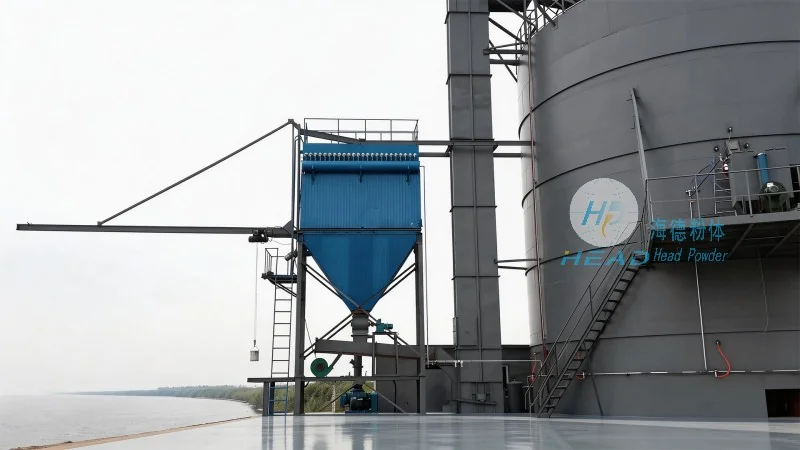
Upon reaching the receiver, the air and powder mixture is separated. The air passes through the dust collection system, where any fine particles are captured and returned to the system or disposed of appropriately. The guargum powder, now separated from the air, is collected in the receiver and can be discharged for further processing. The system may include a vacuum or pressure control mechanism to regulate the flow of air and ensure that the powder is transferred efficiently without any residual material in the pipeline.
Operation Process: Step-by-Step Guide
The operation of the guargum powder pneumatic conveying machine follows a systematic process that ensures consistent and reliable material transport. The steps involved are as follows:
1. **System Preparation**: Before starting the operation, the system is checked for any blockages or leaks in the hopper, conveying line, or receiver. The air compressor is started and the pressure is adjusted to the required level. The rotary valve is set to the desired feed rate, and the dust collection system is activated to ensure proper filtration.
2. **Material Loading**: The guargum powder is loaded into the hopper, ensuring that the material level is sufficient to cover the rotary valve and prevent air leakage. The hopper is sealed to maintain the internal pressure and prevent contamination.
3. **Conveying Initiation**: Once the system is prepared and the material is loaded, the rotary valve is activated to start the material feed. The air compressor is then turned on, and the air flow is adjusted to maintain the required pressure and velocity in the conveying line.
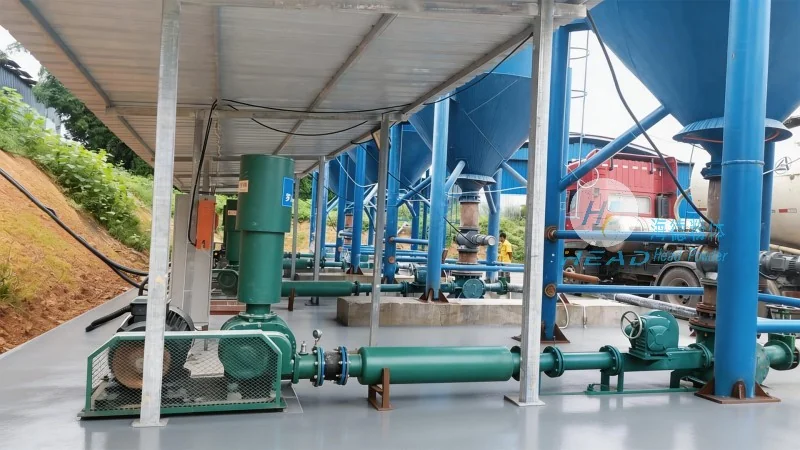
4. **Material Transport**: As the material is fed into the conveying line, it is mixed with the air and transported to the receiver. The system monitors the pressure and flow rates to ensure that the material is moving at the desired speed and without any blockages.
5. **Receiving and Discharge**: Upon arrival at the receiver, the guargum powder is collected and can be discharged into the next processing stage. The dust collection system continuously operates to capture any fine particles, maintaining a clean environment.
6. **System Shutdown**: When the material transport is complete, the air compressor is turned off, and the rotary valve is closed to stop the material feed. The system is then allowed to depressurize before any maintenance or cleaning is performed.
Advantages of Using Pneumatic Conveying for Guargum Powder
The use of a pneumatic conveying machine for guargum powder offers several advantages over traditional mechanical conveying methods. Firstly, it provides a closed system that minimizes dust generation and prevents product contamination, which is crucial for maintaining the quality of the powder. Secondly, the system allows for precise control over the material feed rate and flow, ensuring consistent product quality and reducing waste. Thirdly, pneumatic conveying is capable of handling long distances and multiple transfer points without the need for intermediate storage, improving overall operational efficiency. Additionally, the system is relatively compact and can be integrated into existing processing lines, making it a flexible solution for various industrial applications.




