HeadPowder, a leading manufacturer based in Shandong, China, specializes in the design and production of advanced air-pneumatic conveying systems tailored for transporting bulk materials such as coal gangue and limestone. These systems are engineered to efficiently handle the challenges associated with moving heavy, abrasive, or dusty materials over varying distances, ensuring reliable performance in industrial applications. The following content provides a detailed overview of the operation process and working principles of such equipment, highlighting the technical aspects that contribute to their effectiveness.
Company Background and Expertise
Shandong HeadPowder Engineering Co., Ltd., operating under the brand name HeadPowder, has established itself as a trusted provider of bulk material handling solutions. With a focus on innovation and precision engineering, the company leverages decades of industry experience to develop customized air-pneumatic conveying machines that meet the specific needs of clients in mining, construction, and other sectors. HeadPowder's commitment to quality and customer satisfaction is reflected in the robust design and reliable operation of their conveying equipment, which is built to withstand the demanding conditions of material transport.
Working Principle of Air-Pneumatic Conveying Systems
The core of an air-pneumatic conveying system is the use of compressed air to create a flow that transports bulk materials through a pipeline. The process begins with the material being fed into a hopper or feeder, where it is then drawn into the conveying line by the air flow. As the material moves through the pipeline, it is propelled by the pressure differential generated by the air compressor, which can operate in either positive or negative pressure modes depending on the application. This method of transport eliminates the need for mechanical components like belts or chains, reducing maintenance requirements and enhancing safety in the workplace.
Key Components and Their Functions
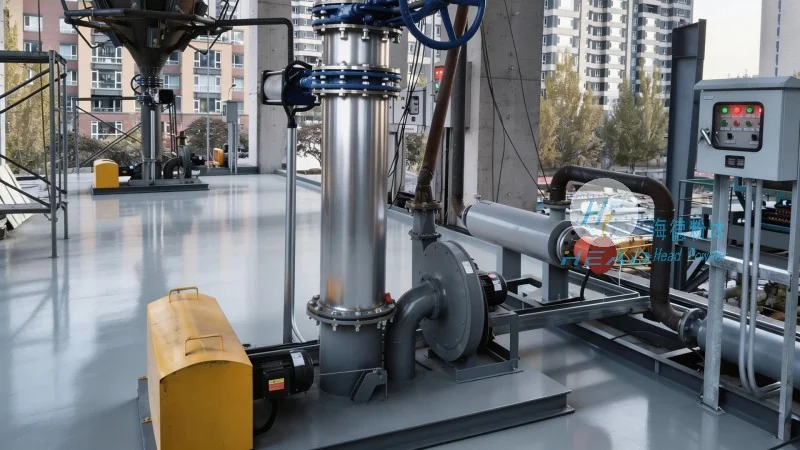
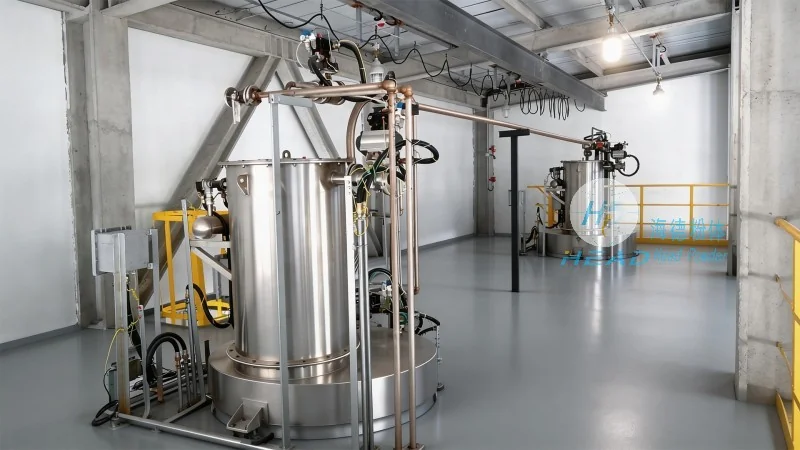
Several critical components work in tandem to ensure the smooth operation of an air-pneumatic conveying machine. The air compressor serves as the power source, generating the necessary pressure to move the material. The hopper or feeder is responsible for feeding the material into the system, while the pipeline provides the path for transport. At the receiving end, a separator or cyclone is used to separate the material from the air, allowing the material to be discharged while the air is either recirculated or vented. Additionally, filters and silencers are incorporated to manage dust and noise levels, ensuring compliance with environmental regulations and maintaining a safe working environment.
Operation Process: From Material Loading to Discharge
The operation of an air-pneumatic conveying system involves a sequence of steps that ensure efficient material transport. Initially, the material is loaded into the hopper, which is equipped with a feeder mechanism to control the flow rate. The air compressor then starts, creating a pressure differential that draws the material into the conveying line. As the material travels through the pipeline, it is propelled by the air flow, which may include bends, expansions, or other fittings to accommodate changes in direction or elevation. At the discharge point, the separator or cyclone separates the material from the air, and the material is collected in a receiving bin or container. The air, now free of material particles, is either filtered and recirculated or released to the atmosphere, depending on the system design.
Advantages of Air-Pneumatic Conveying for Coal Gangue and Limestone
Compared to traditional mechanical conveying methods, air-pneumatic systems offer several advantages when handling coal gangue and limestone. These include the ability to transport materials over long distances without the need for multiple transfer points, reducing the risk of material degradation or loss. The system is also highly flexible, allowing for changes in material flow rates or direction without significant modifications. Furthermore, the absence of moving parts in the conveying line minimizes wear and tear, leading to lower maintenance costs and longer equipment lifespan. Additionally, air-pneumatic conveying can handle a wide range of material characteristics, including varying particle sizes, moisture content, and abrasiveness, making it suitable for diverse industrial applications.
Customization and Application Flexibility
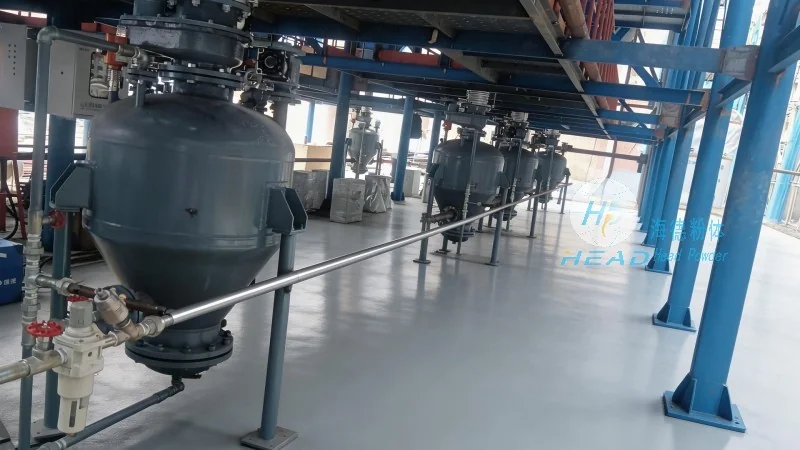
HeadPowder recognizes that each industrial application has unique requirements, and therefore, offers customized air-pneumatic conveying solutions tailored to specific needs. The company works closely with clients to understand their material handling challenges and design systems that optimize performance and efficiency. Whether the application involves short-distance transport within a facility or long-distance transport between sites, HeadPowder's engineers can develop a solution that meets the client's specifications. The flexibility of the system allows for integration with existing infrastructure, minimizing the need for major site modifications and ensuring a smooth transition to the new material handling process.
Conclusion: Reliable and Efficient Material Transport Solutions
Through the combination of advanced engineering and robust design, HeadPowder's air-pneumatic conveying equipment provides reliable and efficient solutions for transporting coal gangue and limestone materials. The working principles and operation process outlined above demonstrate the effectiveness of these systems in meeting the demands of modern industrial applications. By leveraging the power of compressed air to move bulk materials, HeadPowder's equipment offers a cost-effective and environmentally friendly alternative to traditional conveying methods, contributing to improved productivity and operational efficiency for clients in various industries.




