HeadPowder, a leading engineering firm based in Shandong, China, specializes in the design and implementation of advanced material handling systems. One of their core offerings is the nickel sulfate material conveying line, a critical component in industrial processes that require efficient and reliable transport of nickel sulfate. This article delves into the operation process and working principle of such a system, highlighting the key components, operational steps, and the technical advantages that make it a preferred choice in various industrial applications.
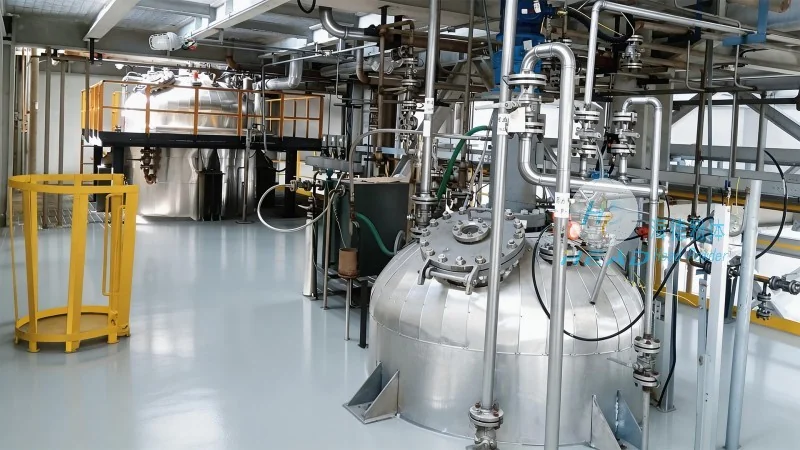
Key Components of the Conveying Line
The nickel sulfate material conveying line typically consists of several integrated components that work in tandem to ensure smooth material transport. The primary elements include a hopper for material storage, a conveyor system (such as a belt conveyor or screw conveyor) for moving the material, a control panel for monitoring and adjusting operations, and a discharge mechanism for delivering the material to the next stage of processing. Each component is carefully selected and engineered to handle the specific characteristics of nickel sulfate, including its granular or powder form, and the potential challenges like moisture content or dust generation.
Working Principle of the Conveying Line
The operation of the nickel sulfate material conveying line follows a systematic process that ensures consistent and efficient material movement. The process begins with the loading of nickel sulfate into the hopper. The material is then fed into the conveyor system, which uses mechanical energy to transport it along the designated path. The control panel plays a crucial role in regulating the speed of the conveyor, the flow rate of the material, and the overall system performance. Sensors and monitoring devices are often integrated to detect any abnormalities, such as blockages or variations in material flow, and trigger appropriate responses to maintain system stability. The discharge mechanism then delivers the material to the subsequent processing equipment, completing the transport cycle.
Operational Steps and Process Flow
1. Material Loading: The first step involves loading nickel sulfate into the hopper. The hopper is designed to accommodate the bulk volume of the material and ensure a uniform feed into the conveyor system. Proper sealing and ventilation are essential to prevent dust accumulation and maintain material quality.
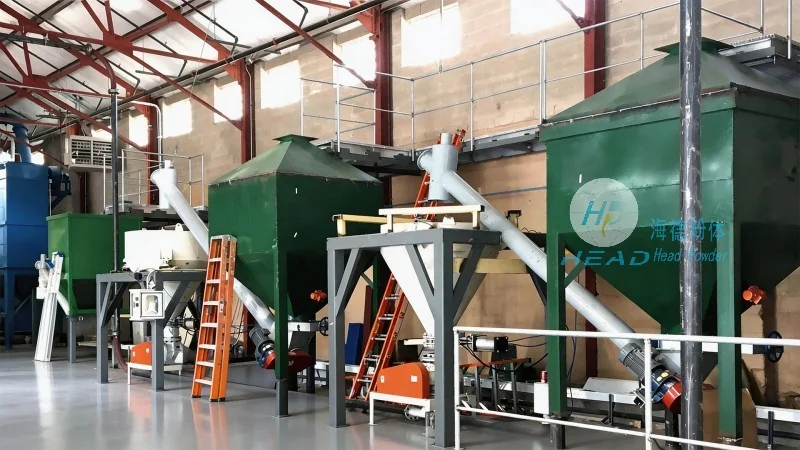
2. Conveyor Activation: Once the hopper is filled, the conveyor system is activated. The control panel sets the initial speed and flow rate based on the required throughput. The conveyor moves the material from the hopper to the discharge point, ensuring a continuous and steady flow.
3. Monitoring and Adjustment: During operation, the control panel continuously monitors key parameters such as speed, flow rate, and pressure. If any deviations are detected, the system automatically adjusts the settings to maintain optimal performance. This real-time monitoring helps in preventing system failures and ensuring consistent material transport.
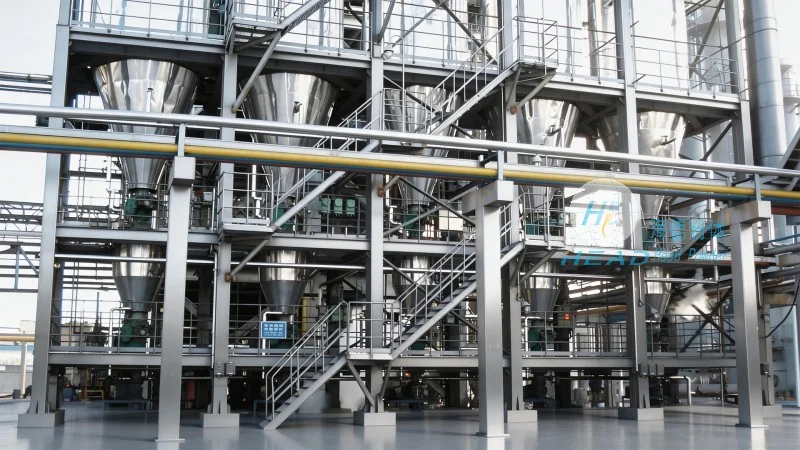
4. Discharge and Transfer: At the end of the conveyor path, the material is discharged into a receiving container or directly into the next processing unit. The discharge mechanism is designed to handle the material without causing spillage or blockage, ensuring a smooth transition to the subsequent stage.
Technical Advantages and Benefits
The nickel sulfate material conveying line offers several technical advantages that make it an ideal solution for industrial applications. Firstly, it provides high efficiency in material transport, reducing the time and labor required for manual handling. The automated system ensures consistent flow rates, minimizing variations in material delivery. Secondly, the design minimizes material loss and contamination, preserving the quality of nickel sulfate. The system also reduces the risk of dust exposure and improves workplace safety. Additionally, the modular design allows for easy maintenance and scalability, enabling the system to adapt to changing production needs.
Application Scenarios
The nickel sulfate material conveying line is widely used in various industrial sectors that involve the processing of nickel sulfate. These include battery manufacturing, where nickel sulfate is a key raw material for lithium-ion batteries, and chemical processing industries where nickel sulfate is used in the production of other chemicals. The system is also applicable in mining operations where nickel sulfate is extracted from ore and needs to be transported to processing facilities. In each of these scenarios, the conveying line ensures reliable and efficient transport of the material, supporting the overall production process.




