Perlite material conveying lines are critical components in industrial processing, designed to efficiently transport perlite, a lightweight, volcanic glass material, through various stages of production. The operation of these systems involves a series of integrated steps that ensure material handling efficiency, safety, and consistency. This article delves into the detailed operation process and underlying working principles of perlite material conveying lines, highlighting key components, operational sequences, and the technical mechanisms that enable smooth material flow.
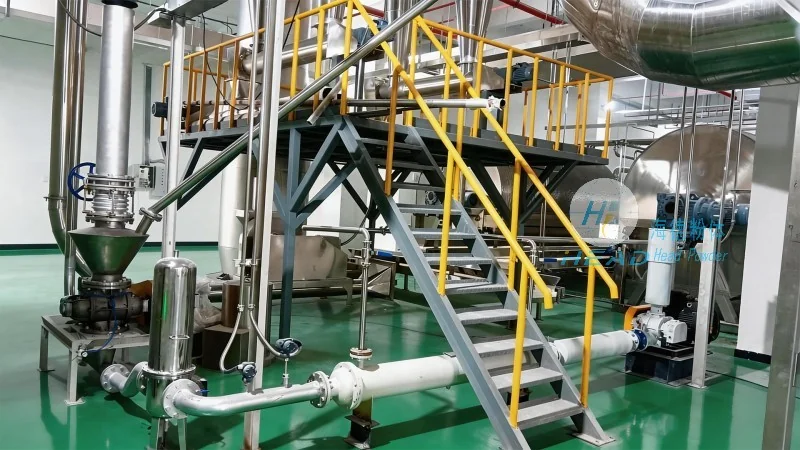
Key Components of Perlite Material Conveying Systems
At the core of any perlite material conveying line are several essential components that work in tandem to facilitate material transport. The primary components include feed hoppers, which receive raw perlite material and feed it into the system; conveyor belts or screw conveyors, which move the material through the line; air classifiers or separators, which may be used to separate different particle sizes; and discharge mechanisms that deliver the processed perlite to its final destination. Each component is strategically designed to handle the unique properties of perlite, such as its lightweight nature and tendency to flow freely, ensuring optimal performance and minimal material loss.
Operation Process of Perlite Material Conveying Lines
The operation of a perlite material conveying line typically begins with the loading of raw perlite into the feed hopper. The hopper is equipped with a gate or valve that controls the flow rate of the material into the conveyor system. As the material enters the conveyor, it is transported along a path that may include vertical or horizontal sections, depending on the layout of the processing facility. During transport, the material may pass through an air classifier, where air currents separate larger or smaller particles based on their size and density. This separation process is crucial for achieving the desired particle size distribution, which is essential for the final application of the perlite.
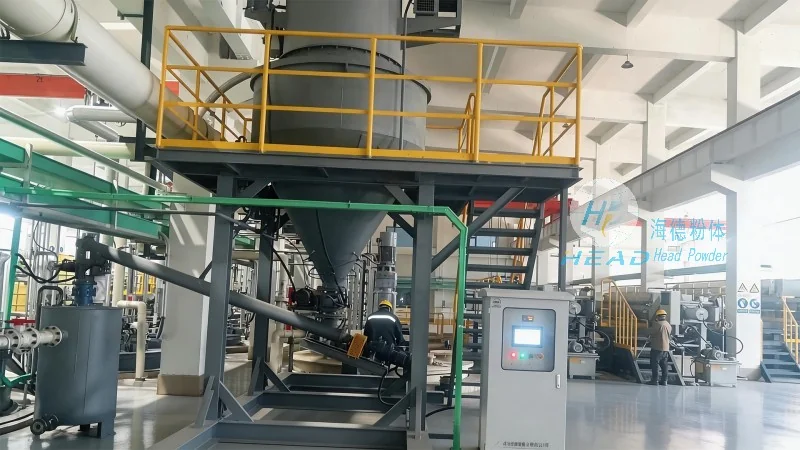
After classification, the material is conveyed to the discharge point, where it is collected in a storage bin or directly fed into the next stage of processing, such as packaging or further treatment. The entire process is automated, with sensors and control systems monitoring the flow rate, pressure, and other parameters to maintain consistent operation. This automation ensures that the conveying line operates efficiently, minimizing downtime and maximizing productivity.
Working Principles Behind the Conveying System
The working principles of perlite material conveying lines are rooted in the physical properties of the material and the mechanics of conveyor systems. The primary principle is the use of mechanical force to move the material from one location to another. Conveyor belts, for example, use friction between the belt surface and the material to pull the material along the path. Screw conveyors, on the other hand, use a rotating screw to push the material forward, leveraging the material's tendency to flow in a helical path.
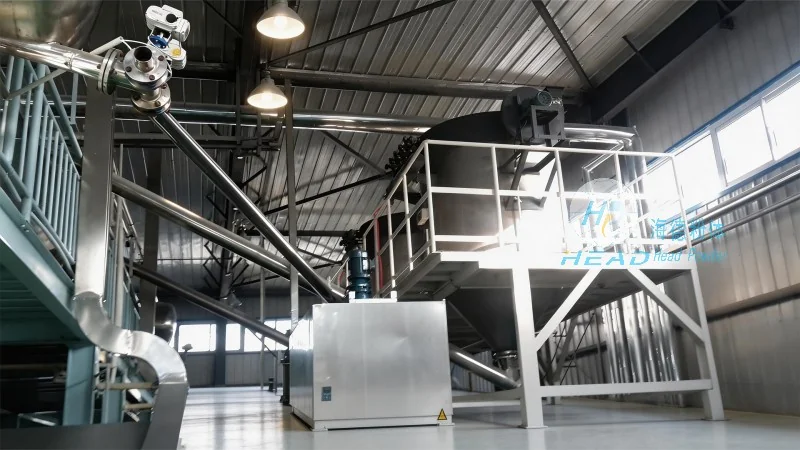
Another key principle is the use of air classification to separate particles based on their aerodynamic properties. Perlite particles are lightweight and have a low density, which allows them to be separated from larger or heavier particles by air currents. The air classifier uses a combination of air flow and particle size to achieve this separation, ensuring that the final product meets the required specifications. This principle is critical for applications where particle size uniformity is essential, such as in construction or horticulture.
Efficiency and Maintenance Considerations
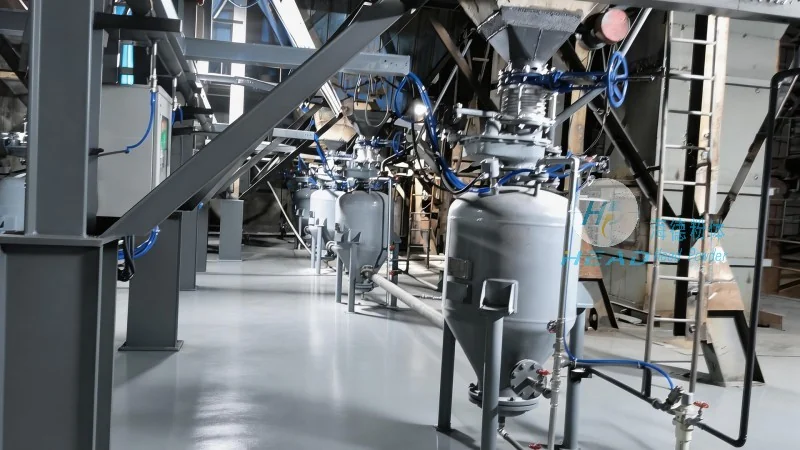
Efficiency in perlite material conveying lines is achieved through careful design and regular maintenance. The system must be designed to minimize material degradation and loss, as perlite is a valuable resource. Regular maintenance, including cleaning of conveyor belts, checking for wear and tear on components, and ensuring proper air flow in classifiers, is essential to maintain optimal performance. Additionally, the use of high-quality materials for components, such as corrosion-resistant metal for conveyor parts and durable plastic for hopper linings, helps to extend the lifespan of the system and reduce maintenance costs.
By understanding the operation process and working principles of perlite material conveying lines, industrial facilities can optimize their material handling processes, improve productivity, and ensure the consistent quality of their perlite products. The integration of advanced control systems and efficient design principles allows for the reliable and efficient transport of perlite, supporting the diverse applications of this versatile material.




