HeadPowder, a leading manufacturer based in Shandong, China, specializes in the design, production, and supply of advanced material conveying systems, including metal iron powder conveying lines. This article provides a detailed overview of the operation process and working principles of such systems, highlighting the key components, operational procedures, and technical aspects that ensure efficient and reliable material handling for industrial applications.
Introduction to Metal Iron Powder Conveying Lines
Metal iron powder conveying lines are critical infrastructure in various industrial sectors, such as metallurgy, chemical processing, and powder metallurgy. These systems are engineered to transport iron powder, a key raw material in the production of steel, alloys, and other metal products, with precision and efficiency. The design of these lines incorporates advanced engineering principles to address the unique challenges associated with handling fine, abrasive, and potentially reactive powders, ensuring minimal loss, contamination, and operational downtime.
Key Components of the Conveying System
The metal iron powder conveying line typically consists of several interconnected components that work in tandem to achieve seamless material transport. The primary components include:
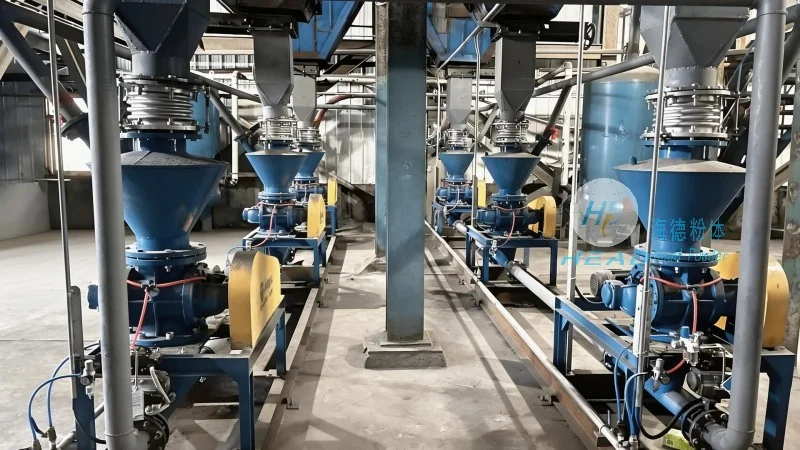
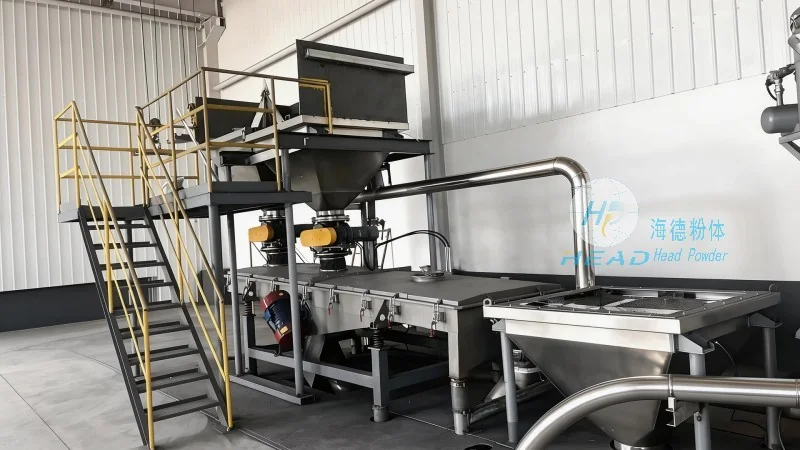
1. Hopper and Feeder: The system begins with a hopper, which stores the iron powder and regulates the flow rate. A feeder, often a rotary valve or a vibratory feeder, controls the discharge of powder into the conveyor. This component ensures a consistent and controlled feed, preventing overloading or underfeeding that could disrupt the entire process.
2. Pneumatic Conveying Equipment: For long-distance or high-volume transport, pneumatic conveying systems are commonly used. These systems utilize air pressure to move the iron powder through pipes. Key elements include the air compressor, filter, and pressure regulator, which maintain optimal air pressure and quality to prevent powder degradation or blockages.
3. Conveyor Belts or Screw Conveyors: In some applications, mechanical conveyors like belt conveyors or screw conveyors are employed for horizontal or slight incline transport. These systems provide direct contact with the material, ensuring reliable movement even in environments with high humidity or temperature variations.
4. Control System and Sensors: An integrated control system monitors and regulates the operation of all components. Sensors, such as level detectors, flow meters, and pressure sensors, provide real-time data on the material status and system performance. This allows for automated adjustments and early detection of potential issues, enhancing operational safety and efficiency.
Operation Process of the Conveying Line
The operation of a metal iron powder conveying line follows a systematic sequence, starting from material loading to final discharge. The process can be broken down into the following steps:
1. Material Loading: Iron powder is loaded into the hopper from a storage silo or bulk container. The hopper is designed with a sloped bottom to facilitate smooth material flow. The feeder then adjusts the discharge rate based on the required output from the conveying line.
2. Pneumatic Conveying (if applicable): The iron powder is drawn into the pneumatic system by the air compressor. The air pressure forces the powder through the pipeline, maintaining a consistent flow. The filter and regulator ensure that the air remains clean and at the appropriate pressure, preventing contamination and system inefficiencies.
3. Conveyor Transport: The powder reaches the receiving hopper or processing unit via the conveyor system. The speed and direction of the conveyor are controlled by the central control system, which adjusts based on real-time sensor data. This ensures that the material is transported to the next stage of the production process without delays or interruptions.
4. Discharge and Storage: At the end of the conveying line, the iron powder is discharged into a collection hopper or directly into the processing equipment. The control system monitors the level of the receiving hopper and adjusts the feeder or conveyor speed accordingly to maintain a stable inventory. This step ensures that the material is available for the next production stage while preventing overfilling or underfilling.
Working Principles and Technical Considerations
The working principles of the metal iron powder conveying line are rooted in the physics of material transport and the mechanics of the components involved. Several technical considerations are critical to the system's performance and longevity:
1. Material Properties: Iron powder is characterized by its fine particle size, high density, and potential for static charge accumulation. These properties require special handling to prevent caking, bridging, or dust explosions. Anti-static measures, such as grounding and ionizers, are incorporated into the system to mitigate these risks.
2. Air Flow Management: In pneumatic conveying systems, the air flow rate and pressure are carefully managed to ensure efficient transport. The velocity of the air must be sufficient to keep the powder suspended but not so high as to cause excessive wear on the pipeline or components. Proper air flow management minimizes energy consumption and extends the lifespan of the system.
3. Component Maintenance: Regular maintenance is essential to maintain the efficiency and reliability of the conveying line. This includes cleaning the hopper and feeder to prevent material buildup, inspecting the conveyor belts or screw mechanisms for wear, and checking the pneumatic system for leaks or pressure drops. Proactive maintenance schedules, based on usage and manufacturer recommendations, help prevent unexpected failures and reduce downtime.
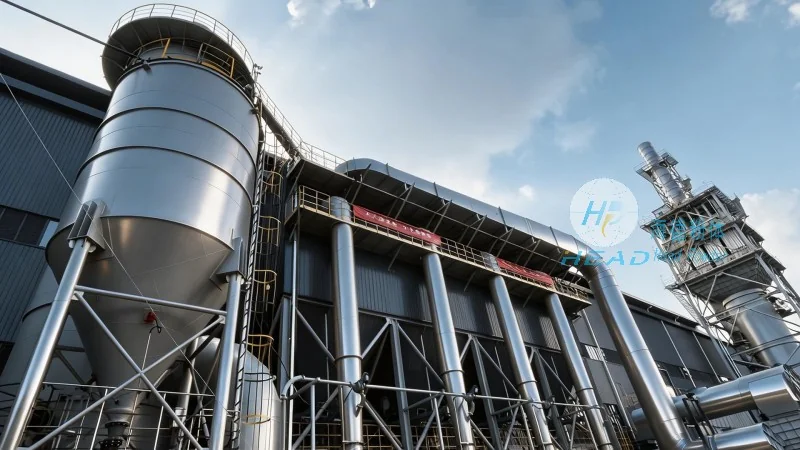
4. Safety and Environmental Compliance: The conveying line is designed with safety features to protect operators and the environment. These include dust collection systems to capture airborne particles, explosion-proof components for hazardous environments, and emergency stop mechanisms. Compliance with local regulations regarding material handling and environmental protection is a priority for HeadPowder, ensuring that the systems meet or exceed industry standards.
Advantages of Metal Iron Powder Conveying Lines
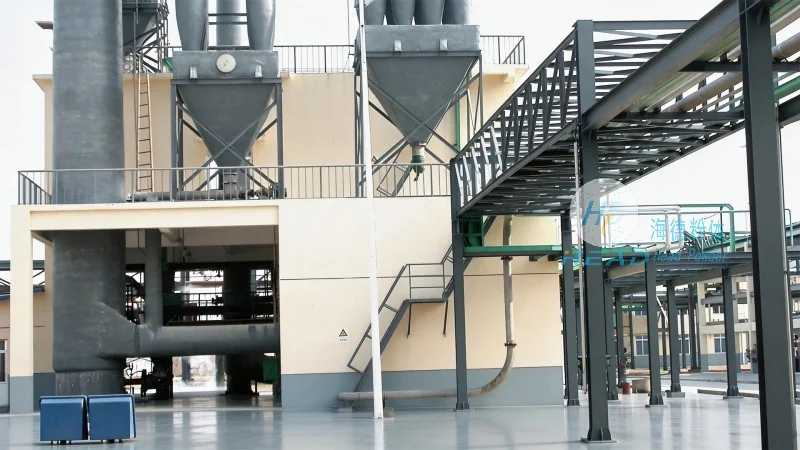
The implementation of metal iron powder conveying lines offers several advantages over traditional manual or mechanical handling methods. These benefits contribute to improved productivity, reduced operational costs, and enhanced product quality:
1. Increased Efficiency and Throughput: Automated conveying systems can handle large volumes of iron powder at high speeds, significantly reducing the time required for material transport. This leads to higher production rates and improved overall plant efficiency.
2. Reduced Labor Costs and Human Error: By automating the material handling process, the need for manual labor is minimized. This not only reduces labor costs but also eliminates human errors associated with manual loading, unloading, or monitoring, leading to more consistent and reliable operations.
3. Improved Material Quality and Consistency: The controlled environment of the conveying line ensures that the iron powder remains free from contamination and degradation. This results in a more consistent product quality, which is crucial for downstream processing and final product performance.
4. Enhanced Safety and Environmental Protection: The system's design incorporates safety features that protect both personnel and the environment. Dust containment systems prevent airborne particles from entering the workplace, while explosion-proof components reduce the risk of fire or explosion in hazardous environments. This contributes to a safer working environment and compliance with environmental regulations.
Conclusion
HeadPowder's metal iron powder conveying lines represent a sophisticated solution for the efficient and reliable handling of iron powder in industrial applications. By integrating advanced components, control systems, and safety features, these systems address the unique challenges associated with handling fine, abrasive powders. The operation process, from material loading to discharge, is designed to maximize efficiency while minimizing downtime and operational risks. With a focus on quality, reliability, and customer satisfaction, HeadPowder continues to provide cutting-edge material conveying solutions that meet the evolving needs of the industrial sector. The company's commitment to innovation and adherence to industry standards ensures that its conveying lines are among the most effective and durable in the market.




