Comprehending the operation process and working principle of dye material conveying lines is essential for optimizing industrial production within the dye manufacturing sector. These systems are engineered to efficiently transport dye powders and related materials from storage to processing units, ensuring consistent and reliable material flow. The following sections provide a detailed overview of the key components, operational steps, and technical aspects involved in the functioning of such conveying lines.
Overview of Dye Material Conveying Systems
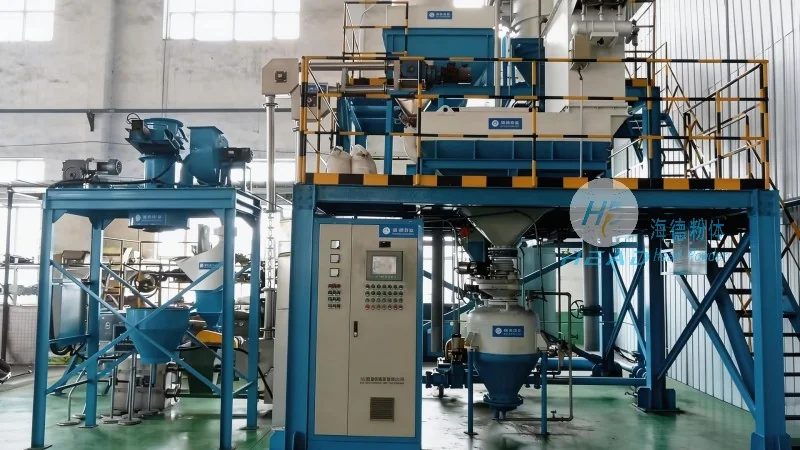
Dye material conveying lines typically consist of a series of interconnected equipment, including hoppers, feeders, conveyor belts or screw conveyors, and control systems. The primary objective is to maintain a continuous and controlled flow of dye powders, minimizing material loss and ensuring uniform distribution. The design of these systems is tailored to the specific characteristics of dye materials, such as their particle size, moisture content, and flowability, to prevent issues like caking or blockages.
Key Components and Their Functions
Each component in a dye material conveying line plays a vital role in the overall operation. For instance, hoppers are used to store and feed the dye material, while feeders regulate the material flow rate to match the conveyor's capacity. Conveyor belts or screw conveyors then transport the material through the system, often with adjustable speed and direction controls. Control systems, including sensors and programmable logic controllers (PLCs), monitor the process parameters and adjust operations in real-time to maintain optimal performance.
The Working Principle of Material Transport
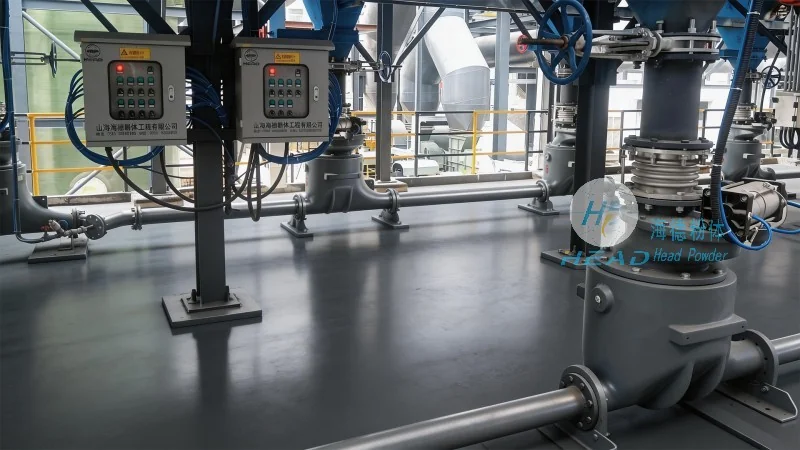
The core working principle of dye material conveying lines involves the transfer of material from the source to the destination through mechanical or pneumatic means. In mechanical systems, such as screw conveyors or belt conveyors, the material is moved by rotating components or moving belts. The screw conveyor, for example, uses a rotating screw to push the material forward, while the belt conveyor relies on a moving belt that carries the material along its path. Pneumatic conveying systems, on the other hand, use compressed air to transport the material through pipes, which is particularly effective for fine powders that are prone to dusting.
Operational Steps and Process Flow
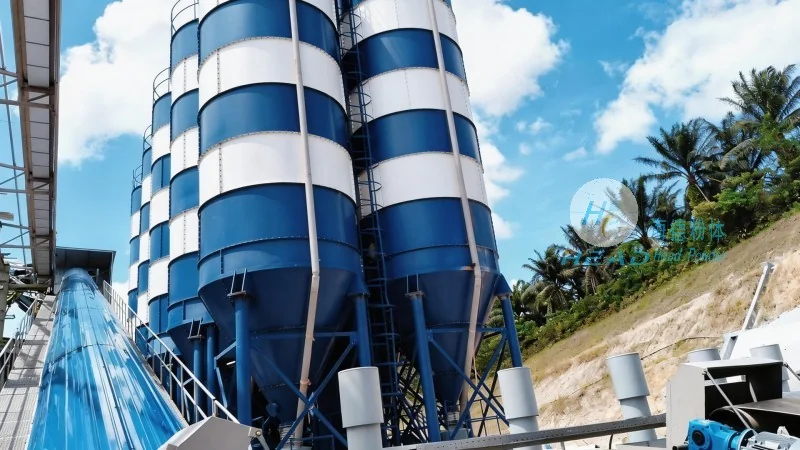
The operation of a dye material conveying line generally follows a standardized sequence of steps. First, the dye material is loaded into the hopper from storage bins or trucks. The feeder then regulates the flow of material into the conveyor, ensuring a steady supply. The conveyor transports the material to the processing unit, where it is further handled for mixing, grinding, or packaging. Throughout this process, sensors monitor parameters like flow rate, pressure, and temperature, providing feedback to the control system to maintain consistent performance. Any deviations are automatically corrected to prevent disruptions in the production line.
Maintenance and Safety Considerations
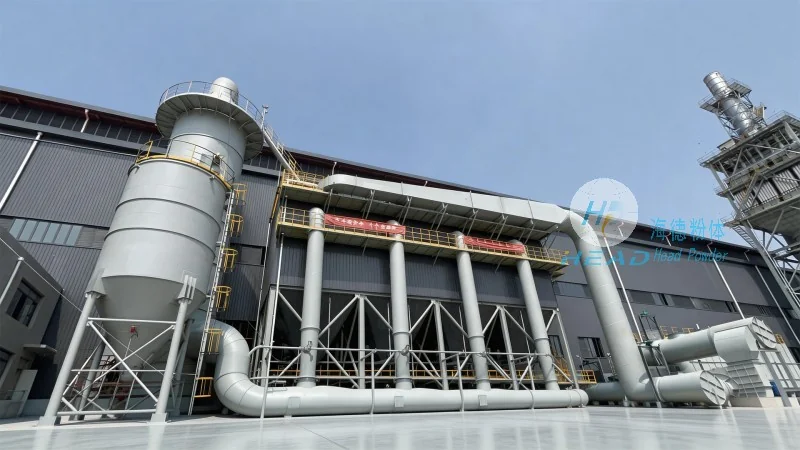
Proper maintenance is essential to ensure the long-term reliability and efficiency of dye material conveying lines. Regular inspections of components like bearings, belts, and screws are necessary to detect and address wear and tear. Cleaning procedures are also critical to prevent material buildup and contamination, which can affect the quality of the dye product. Safety considerations are paramount in these systems, as they handle potentially hazardous materials. Proper ventilation, dust collection systems, and safety interlocks are implemented to protect operators and the environment from exposure to dye powders.
Applications and Industry Impact
Dye material conveying lines are widely used in the textile, printing, and chemical industries, where the consistent supply of dye powders is essential for production. By optimizing material handling, these systems contribute to increased productivity, reduced downtime, and improved product quality. The efficiency of the conveying process directly impacts the overall cost of production, making it a critical component in industrial operations.
About Shandong HeadPowder Engineering Co., Ltd.
Shandong HeadPowder Engineering Co., Ltd., commonly known as headpowder, is a leading manufacturer specializing in the design and production of industrial conveying systems for the dye and powder processing industries. With a strong focus on innovation and quality, headpowder provides customized solutions tailored to the specific needs of its clients. The company's facilities are located in Shandong, China, where it leverages advanced technology and expertise to deliver reliable and efficient dye material conveying lines that meet international standards.




