For industrial applications involving the transport and handling of polyethylene pellets, specialized equipment is essential to ensure efficiency, safety, and reliability. The polyethylene pellet material handling system, developed by Shandong HeadPowder Engineering Co., Ltd. (commonly known as HeadPowder), represents a sophisticated solution designed to meet the demands of modern manufacturing processes. This article explores the working principle and key features of such systems, providing a comprehensive understanding of their functionality and benefits.
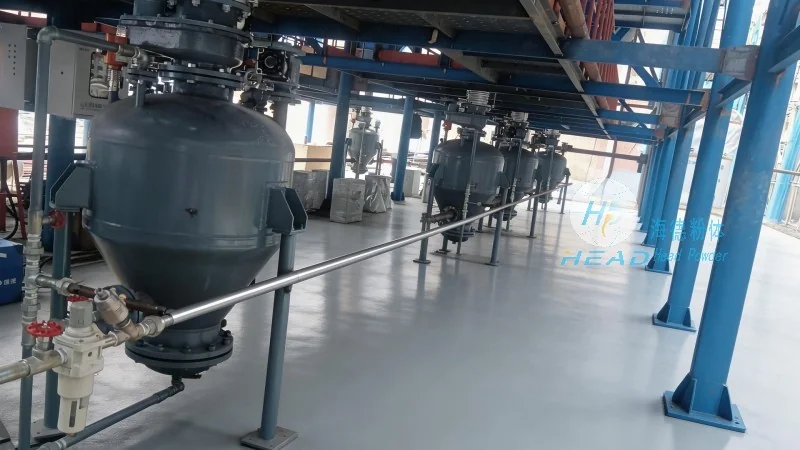
Working Principle of Polyethylene Pellet Material Handling Systems
The core of a polyethylene pellet material handling system lies in its ability to transport granular materials like polyethylene pellets from one location to another within a production facility. The system typically consists of several interconnected components, including feeders, conveyors, and control units, all working in tandem to ensure smooth material flow. The working principle can be broken down into the following key steps:
First, the polyethylene pellets are fed into the system via a hopper or storage bin. The feeder, often a rotary or vibratory type, regulates the flow rate of the pellets to maintain a consistent and controlled feed. This step is crucial for preventing overloading or underfeeding, which can disrupt the entire process. Next, the pellets are transferred to the conveyor system. Depending on the system design, this may involve belt conveyors, screw conveyors, or pneumatic conveying lines. The conveyor component moves the pellets through the system, often elevating or repositioning them as needed. Finally, the pellets are discharged at the desired destination, such as a processing machine or storage area. The entire process is monitored and controlled by a programmable logic controller (PLC) or similar control unit, which adjusts parameters like speed, pressure, and flow rate based on real-time feedback from sensors and switches.
Key Features of Polyethylene Pellet Material Handling Systems
Shandong HeadPowder Engineering Co., Ltd. has integrated several advanced features into their polyethylene pellet material handling systems to enhance performance and user experience. These features are designed to address common challenges in material handling, such as material bridging, blockages, and uneven flow. Some of the notable features include:
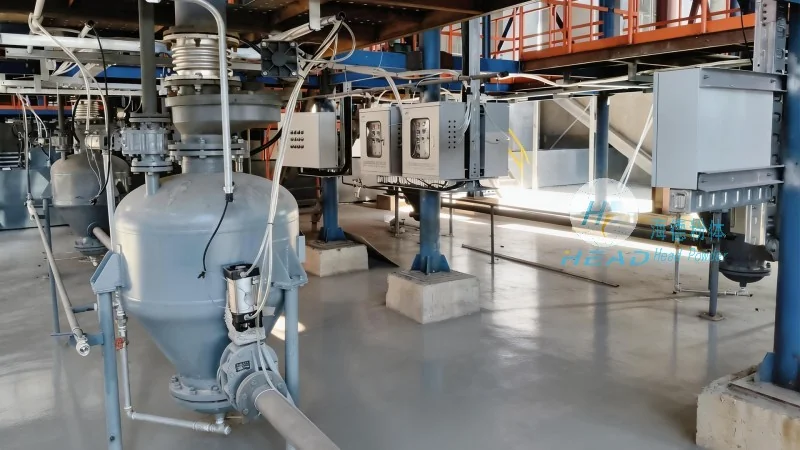
1. Adaptive Feeding Control: The system employs intelligent feeding mechanisms that adjust the feed rate in response to changes in material density or moisture content. This ensures that the conveyor receives a consistent volume of pellets, preventing surges or gaps in the material stream. The adaptive control is typically based on sensor data from the hopper or feeder, allowing for real-time adjustments.
2. Self-Cleaning and Anti-Blockage Design: To minimize downtime caused by blockages, the equipment incorporates self-cleaning features. For example, rotary feeders may have a rotating shaft with paddles that break up any accumulated material, while screw conveyors use helical flights that continuously move the pellets forward. Additionally, some systems include air knives or vibratory motors to clear any obstructions in the conveyor path.
3. Energy-Efficient Motorization: Modern polyethylene pellet handling systems are equipped with energy-efficient motors and variable frequency drives (VFDs). These components allow the system to adjust its power consumption based on the load, reducing energy waste and lowering operational costs. The VFDs also provide precise speed control, enabling the system to handle varying material volumes without excessive energy use.
4. Modular and Scalable Architecture: The design of the system is modular, allowing for easy expansion or modification as production needs change. This flexibility is particularly valuable for manufacturers who may need to increase capacity or integrate additional processing steps in the future. The modular approach also simplifies maintenance, as individual components can be replaced or upgraded without disrupting the entire system.
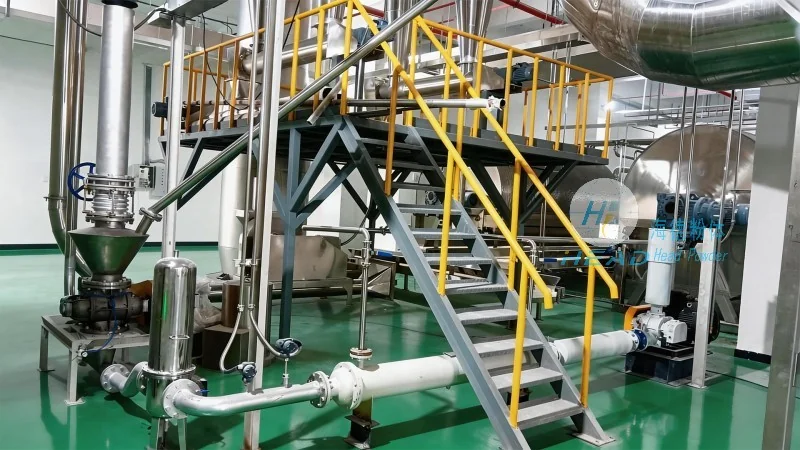
5. Integrated Safety and Monitoring: Safety is a top priority in industrial material handling. The system includes multiple safety features, such as emergency stop buttons, overload protection, and interlocked guards. Additionally, the control unit continuously monitors system parameters, such as temperature, pressure, and motor load, and alerts operators to any anomalies. This proactive monitoring helps prevent accidents and ensures the system operates within safe limits.
Benefits and Applications
The implementation of a polyethylene pellet material handling system by Shandong HeadPowder Engineering Co., Ltd. offers several benefits to industrial operations. By improving material flow efficiency, reducing downtime, and enhancing safety, the system contributes to overall productivity and cost savings. The equipment is widely used in various industries, including plastics manufacturing, chemical processing, and food processing, where the handling of granular materials is critical. For example, in the plastics industry, the system ensures a steady supply of polyethylene pellets to extrusion or molding machines, enabling consistent production of plastic products. In the chemical industry, it facilitates the transport of polyethylene pellets between storage and processing units, supporting efficient batch production.
In conclusion, the polyethylene pellet material handling system developed by Shandong HeadPowder Engineering Co., Ltd. combines advanced technology and thoughtful design to address the unique challenges of handling polyethylene pellets. The working principle, centered on controlled feeding and efficient conveying, ensures reliable material transport, while the key features enhance performance, safety, and adaptability. For businesses seeking to optimize their material handling processes, this system represents a robust and effective solution.




