At Shandong HeadPowder Engineering Co., Ltd., we specialize in the design, manufacturing, and integration of advanced material handling systems tailored for industrial applications. Our focus is on providing efficient and reliable solutions for transporting manganese silicate materials, which are crucial in various manufacturing processes. The following sections detail the operational process and working principles of our material handling systems, ensuring a comprehensive understanding of how these systems enhance productivity and safety in material transport operations.
System Overview and Core Components
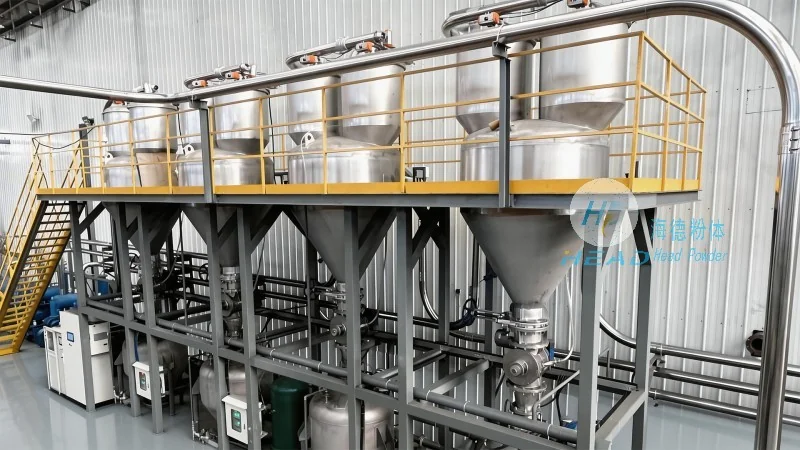
Our manganese silicate material handling system is engineered with precision to handle the unique properties of manganese silicate, a compound widely used in battery production, steel manufacturing, and other industrial sectors. The system comprises several key components that work in synergy to ensure smooth material flow. These include feed hoppers, conveyor belts or screw conveyors, control panels, and safety mechanisms. Each component is selected based on the specific characteristics of the manganese silicate, such as its particle size, moisture content, and bulk density, to optimize performance and minimize operational issues.
Initial Material Preparation and Feeding Process
The operational process begins with the preparation of manganese silicate materials. This stage involves ensuring the material is properly stored and conditioned to meet the system's requirements. The feed hopper, typically equipped with a vibratory feeder or a rotary valve, regulates the flow of material into the primary conveyor. The vibratory feeder provides consistent and controlled feeding, preventing overloading or underfeeding that could disrupt the entire system. The rotary valve acts as a gate, controlling the quantity of material entering the conveyor, which is critical for maintaining a steady flow rate. This initial step is essential for setting the foundation for efficient material transport throughout the system.
Conveyor System Operation and Material Transport
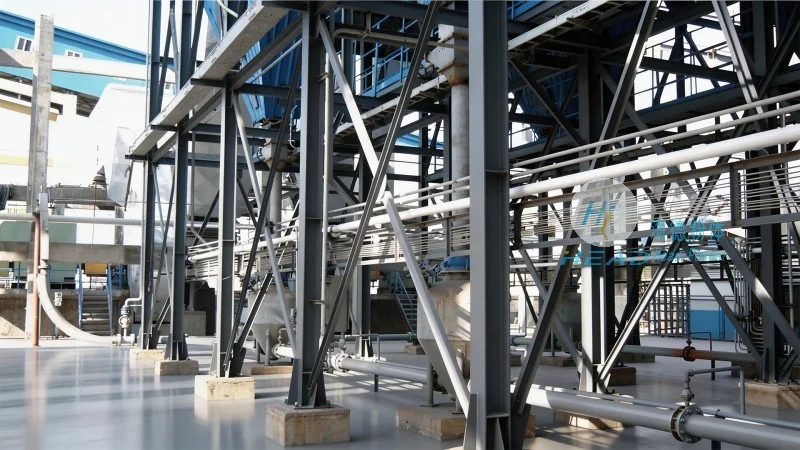
Once the material is fed into the system, it moves through the conveyor system. Depending on the application, the system may utilize belt conveyors, screw conveyors, or pneumatic conveyors. For manganese silicate, which often has a relatively low to medium bulk density, a belt conveyor with a sturdy frame and durable rubber belt is commonly employed. The belt conveyor is designed to handle the abrasive nature of manganese silicate, ensuring minimal wear and tear over time. The speed of the conveyor is adjustable, allowing operators to control the material flow rate based on downstream processing needs. The system also includes idlers and pulleys that support the belt and guide the material along the path, ensuring a smooth and continuous transport. In some cases, the conveyor may be equipped with a variable speed drive to adapt to changing production demands, providing flexibility in material handling.
Control and Monitoring Systems for Process Optimization
Effective control and monitoring are integral to the system's performance. The control panel, integrated into the system, allows operators to monitor key parameters such as material flow rate, conveyor speed, and system pressure. Sensors are strategically placed along the conveyor to detect any blockages or irregularities in the material flow. These sensors trigger alarms or automatic shutdowns if issues are detected, preventing potential damage to the equipment and ensuring safety. The control system also enables remote monitoring and adjustments, allowing for real-time optimization of the process. This feature is particularly beneficial in maintaining consistent output and reducing downtime. Additionally, the system may include a data logging feature that records operational data over time, providing valuable insights for maintenance planning and performance analysis.
Safety and Maintenance Considerations
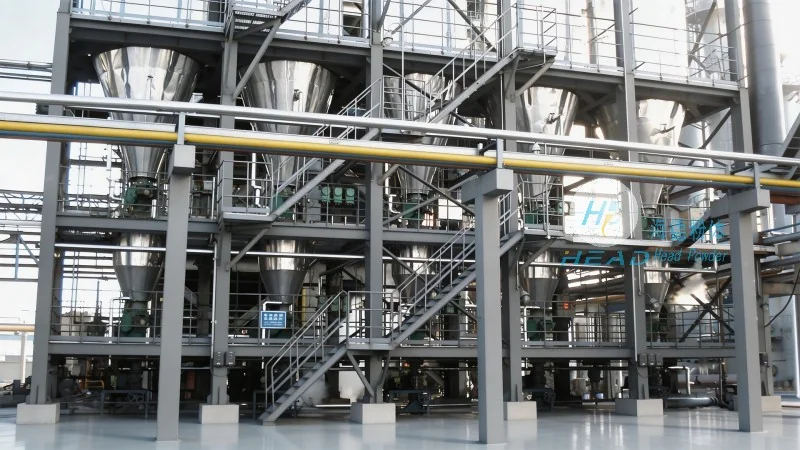
Ensuring the safety of operators and the longevity of the equipment is a top priority in our system design. The system incorporates multiple safety features, including emergency stop buttons, safety interlocks, and protective guards around moving parts. These measures are designed to prevent accidents and protect personnel from potential hazards. Regular maintenance is also crucial for the system's reliability. A maintenance schedule is provided to ensure that all components are inspected and serviced at appropriate intervals. This includes checking the condition of the conveyor belt, lubricating moving parts, and verifying the functionality of sensors and control systems. By adhering to the maintenance guidelines, the system can operate efficiently and safely for extended periods, minimizing the risk of breakdowns and maximizing productivity.
Integration with Downstream Processes and Scalability
Our material handling system is designed to integrate seamlessly with downstream processes, such as mixing, grinding, or packaging. The conveyor system is configured to deliver the manganese silicate to the next stage of production with minimal material loss and consistent quality. The system's scalability allows it to be adapted to different production volumes, from small-scale operations to large industrial facilities. This flexibility makes our system suitable for a wide range of applications, from research and development to full-scale manufacturing. The integration with other equipment, such as storage silos or processing units, is facilitated by the system's modular design, enabling easy expansion and customization as production needs evolve.




