Light calcium powder conveying systems are critical components in industrial processes that handle fine powders, such as light calcium carbonate. These systems are designed to efficiently transport the powder from storage silos or processing units to downstream equipment like mixers, reactors, or packaging lines. The operation and working principles of such systems involve several key stages, each contributing to the overall efficiency and reliability of the material handling process.
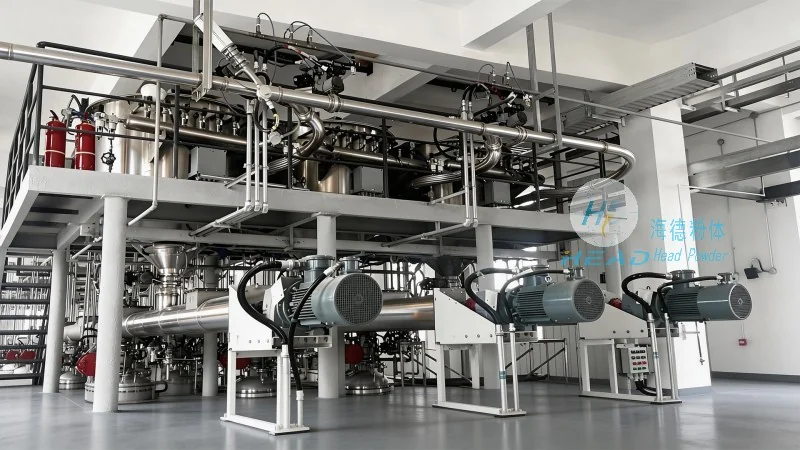
System Overview and Key Components
At the core of a light calcium powder conveying system are several essential components that work in tandem to ensure smooth material flow. The primary components typically include a hopper or storage silo, a feeder (often a rotary valve or screw feeder), a conveying device (such as a pneumatic or mechanical conveyor), and a control system. The hopper serves as the storage vessel, holding the light calcium powder in a controlled environment to prevent caking or degradation. The feeder regulates the flow rate of the powder from the hopper, ensuring a consistent and controlled feed to the conveying system. The conveying device then transports the powder to the destination, while the control system monitors and adjusts parameters like pressure, flow rate, and temperature to maintain optimal operation.
Working Principle of Conveying Mechanisms
Light calcium powder conveying systems can utilize either pneumatic or mechanical conveying methods, each with distinct working principles. Pneumatic conveying systems rely on air or gas to move the powder particles through a pipeline. In this method, the powder is introduced into a ductwork system where it is carried by a stream of air under pressure. The air flow creates a suspension of the powder particles, which are then transported to the target location. This approach is particularly effective for fine powders that are prone to dusting or clogging in mechanical systems. Mechanical conveying systems, on the other hand, use mechanical devices like screw conveyors, belt conveyors, or bucket elevators to move the powder. These systems rely on the physical movement of the conveying equipment to push or lift the powder along the path of the system. Mechanical conveyors are often preferred for bulk material handling and when the powder is less prone to dusting or when the system needs to operate in a closed environment.
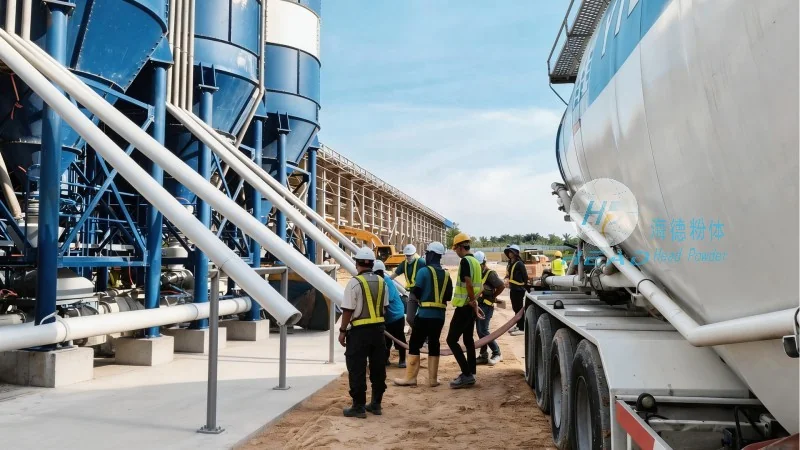
Operation Process: From Storage to Delivery
The operation process of a light calcium powder conveying system begins with the loading of the light calcium powder into the storage hopper. The powder is typically stored in a silo or hopper designed to maintain its quality and prevent moisture absorption. Once the hopper is filled, the feeder is activated to control the flow rate of the powder. The feeder may be adjusted based on the requirements of the downstream process, such as the speed of a mixer or the rate of a packaging line. The controlled feed from the hopper is then directed into the conveying device. For pneumatic systems, the powder is introduced into the ductwork where it is mixed with air and transported under pressure. The air flow is regulated to ensure the powder particles are suspended and moved efficiently. In mechanical systems, the screw or belt conveyor moves the powder along the conveyor path, often with the assistance of gravity or mechanical force. The conveying device transports the powder to the discharge point, which may be a mixer, reactor, or packaging machine. At the discharge point, the powder is released and may be further processed or packaged. The control system continuously monitors the operation of the system, adjusting parameters as needed to maintain consistent flow rates and prevent issues like clogging or overloading.
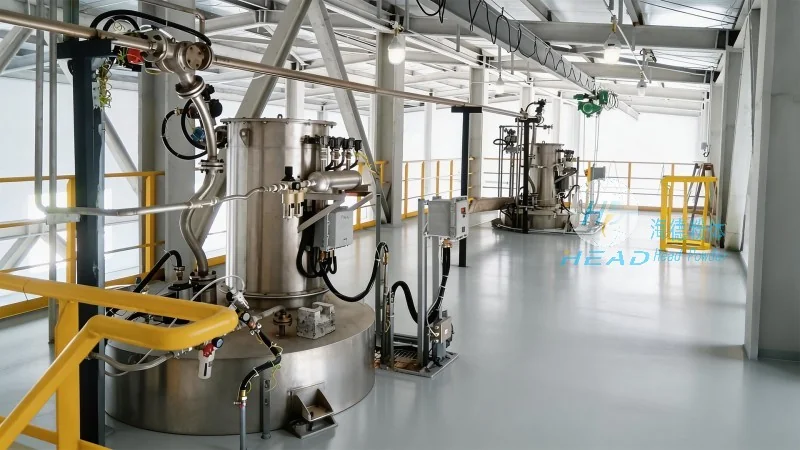
Key Considerations for System Performance
Several factors influence the performance of light calcium powder conveying systems. One critical consideration is the properties of the light calcium powder itself, such as its particle size, moisture content, and flowability. Fine powders with high moisture content are more prone to caking and can cause blockages in the system. Therefore, proper moisture control and the use of anti-caking agents may be necessary to maintain system performance. Another important factor is the design of the hopper and feeder. The hopper should be designed to minimize powder segregation and ensure uniform flow. The feeder must be capable of handling the specific flow rate required by the downstream process without causing excessive pressure drop or wear. The conveying device must also be selected based on the powder properties and the distance to be covered. Pneumatic systems are suitable for longer distances and fine powders, while mechanical systems are better for shorter distances and bulkier materials. Additionally, the control system plays a vital role in maintaining system efficiency. Real-time monitoring of parameters like pressure, flow rate, and temperature allows for quick adjustments to prevent issues and ensure consistent operation.
Maintenance and Troubleshooting
Regular maintenance is essential to ensure the long-term performance and reliability of light calcium powder conveying systems. Routine checks should include inspecting the hopper and feeder for signs of wear or clogging, cleaning the ductwork or conveyor belts to remove accumulated powder, and checking the air filters or motor components for proper operation. Common issues in these systems include clogging, which can occur due to powder agglomeration or blockages in the ductwork or conveyor. To troubleshoot clogging, operators may need to adjust the feeder speed, increase the air pressure in pneumatic systems, or clear the blockage manually. Another common issue is excessive pressure drop, which can reduce the conveying efficiency. This may be caused by a buildup of powder in the ductwork or worn-out components. Regular cleaning and maintenance can help prevent these issues and ensure the system operates at optimal efficiency.




