Shandong HeadPowder Engineering Co., Ltd. specializes in providing advanced solutions for the efficient handling and transportation of expanded clay aggregate powders. The company's core product, the expanded clay aggregate powder conveying system, is designed to meet the demands of modern industrial applications, ensuring reliable and safe material transport in various production environments.
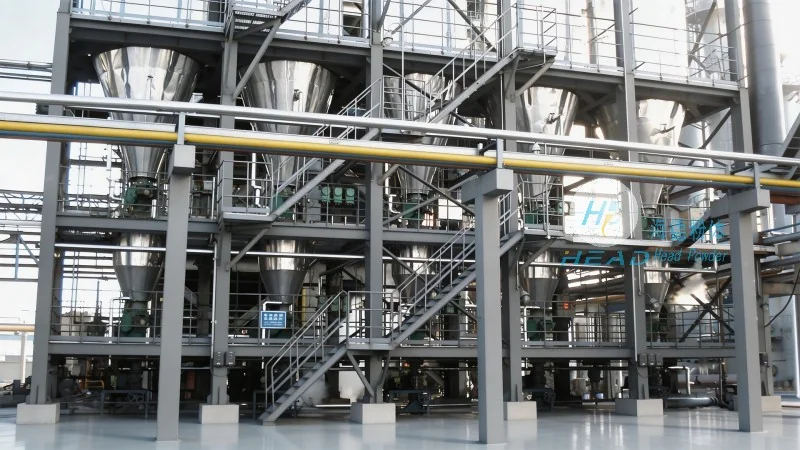
Key Components and System Overview
The conveying system typically consists of several critical components, including a hopper for material storage, a feeder to control the flow rate, a conveyor mechanism (such as a screw or pneumatic conveyor), and a control unit for automated operation. Each component is engineered to work in harmony, ensuring seamless material transfer from the source to the destination. The system is built with durability in mind, using high-quality materials that can withstand the abrasive nature of expanded clay aggregates, which are known for their high density and potential for particle breakage during handling.
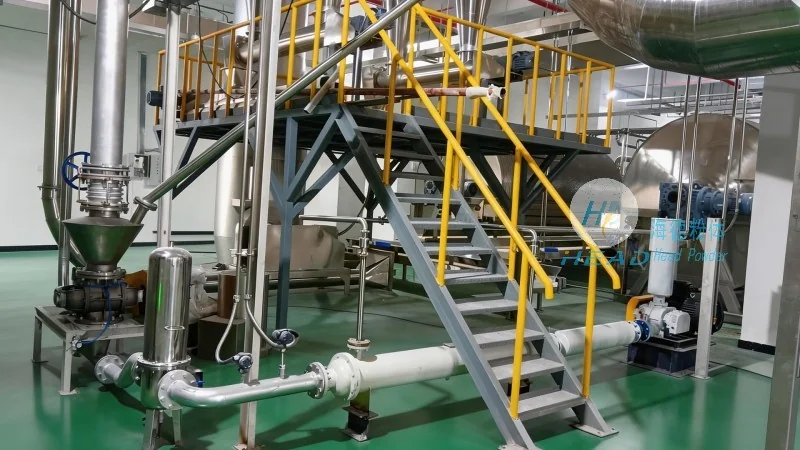
Operation Process: Step-by-Step Guide
The operation of the expanded clay aggregate powder conveying system follows a systematic process, starting with material loading into the hopper. The hopper is equipped with a level indicator to monitor the material volume, ensuring that the feeder receives a consistent feed rate. The feeder then regulates the flow of material into the conveyor, which transports the powder to the desired location. The control unit manages the entire process, adjusting the speed of the conveyor and feeder based on real-time feedback from sensors. This closed-loop control system minimizes material waste and optimizes energy consumption, making the operation highly efficient.
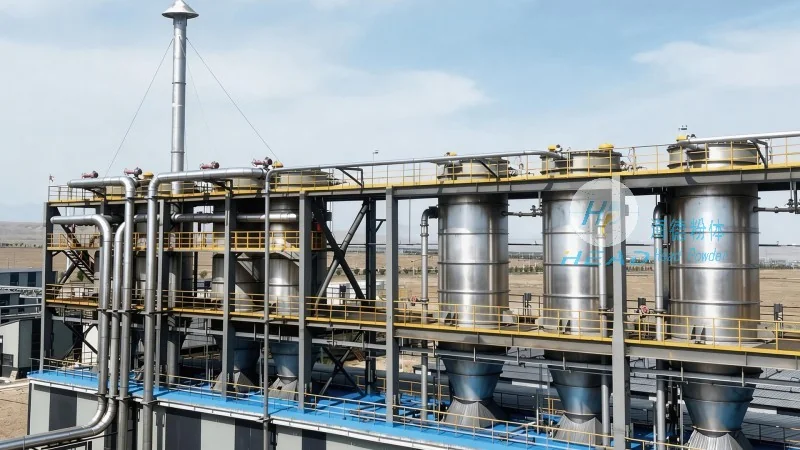
Working Principle: How the System Transfers Material
The system operates on the principle of mechanical or pneumatic transport, depending on the specific design. For mechanical conveyors, such as screw conveyors, the material is moved by rotating screws that push the powder forward. The screw's pitch and speed are carefully selected to maintain a stable flow without causing excessive pressure or particle degradation. Pneumatic conveyors, on the other hand, use compressed air to create a flow of material through a pipeline. The air velocity is controlled to ensure that the powder particles are carried without settling or clogging the system. Both methods rely on precise engineering to maintain the integrity of the expanded clay aggregates, preventing clumping or degradation that could affect downstream processes.
Advantages and Technical Features
The expanded clay aggregate powder conveying system offers several advantages that make it a preferred choice for industrial applications. Its automated operation reduces labor costs and minimizes human error, while the closed-loop control system ensures consistent material quality. The system's compact design allows for easy integration into existing production lines, and its durable construction ensures long-term reliability. Additionally, the system is designed to be low-maintenance, with easy access to components for inspection and replacement. These features make it suitable for high-volume production environments where efficiency and reliability are paramount.
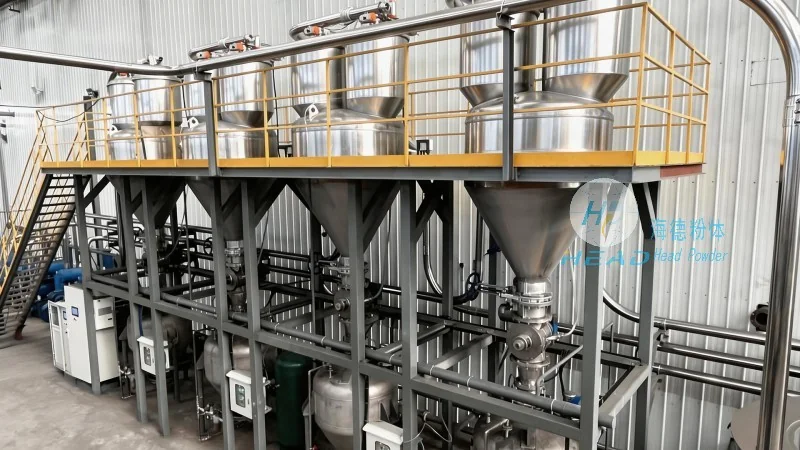
Application Scenarios and Industry Use Cases
The conveying system is widely used in various industries that handle expanded clay aggregates, including construction materials, horticulture, and industrial filtration. In the construction sector, the system is used to transport aggregates for concrete and mortar production, ensuring a consistent supply of high-quality material. In horticulture, the system is employed to move expanded clay for soil amendment and plant growth media, supporting sustainable agricultural practices. In industrial filtration, the system helps transport aggregates used in water treatment and air purification systems, contributing to environmental protection. The versatility of the system makes it adaptable to different application requirements, from small-scale operations to large-scale industrial facilities.




