Understanding the operation process and working principle of pneumatic conveying for lithium nickel cobalt aluminum (NCA) powders is crucial for optimizing material handling in industrial applications. This technology enables efficient transport of fine powders like NCA, which are widely used in battery manufacturing and other high-tech industries. The following overview details the key aspects of this process, emphasizing the technical and operational considerations that ensure reliable performance.
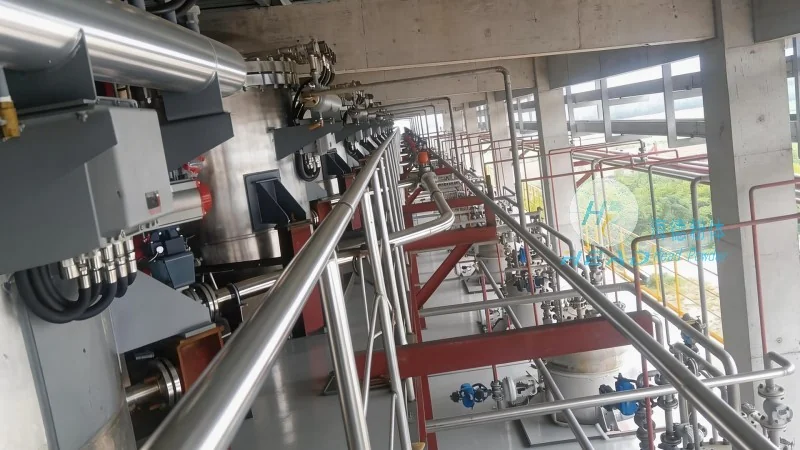
Overview of Pneumatic Conveying Systems for NCA Powders
Pneumatic conveying systems are designed to transport dry powders, including NCA, through a pipeline using air or other gases. These systems are essential in industries where traditional methods like bucket elevators or screw conveyors may not be suitable due to the fine particle size and potential for dust generation. The core components of a typical pneumatic conveying system include a material feed hopper, a conveying line, a control valve, and a dust collection system. Each component plays a vital role in maintaining the integrity of the NCA powder and ensuring efficient transport.
Key Components and Their Functions in NCA Pneumatic Conveying
The material feed hopper is the initial stage where NCA powder is stored and metered into the conveying line. This hopper often includes a rotary valve or a screw feeder to control the flow rate, preventing overloading or underflow that could disrupt the conveying process. The conveying line, typically made of stainless steel or other corrosion-resistant materials, is designed to handle the abrasive nature of NCA particles while minimizing particle degradation. The control valve, usually a venturi or a rotary valve, regulates the air flow and pressure within the system, ensuring consistent material transport. Finally, the dust collection system, such as a cyclone or a baghouse filter, captures any airborne particles, maintaining air quality and preventing contamination of the surrounding environment.
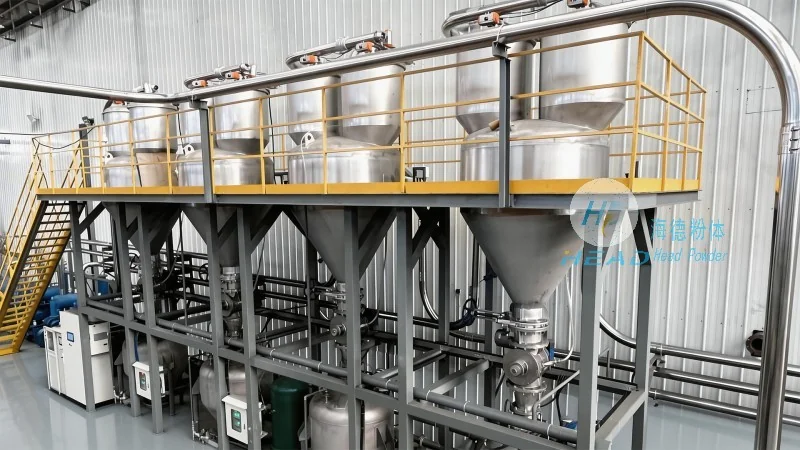
Operation Process of NCA Pneumatic Conveying
The operation process of NCA pneumatic conveying involves several sequential steps that ensure smooth and efficient material transport. First, the NCA powder is fed from the hopper into the conveying line through a controlled mechanism. Simultaneously, compressed air is introduced into the system, creating a flow that propels the powder particles through the pipeline. The air velocity is carefully managed to maintain a suspension of the powder, preventing clogging or blockages. As the powder travels through the conveying line, it may pass through a series of bends or expansions, which are designed to minimize pressure losses and maintain the flow stability. Upon reaching the destination, the powder is discharged into a receiving hopper or a processing unit. The air, now containing any residual particles, is then filtered and recycled back into the system, completing the cycle.
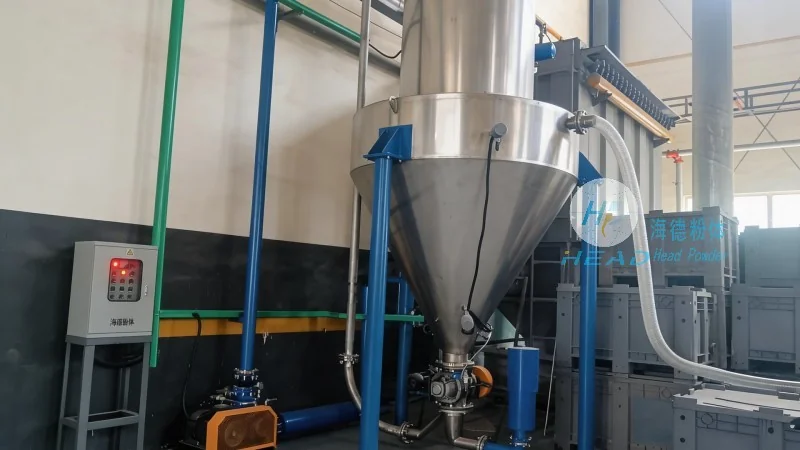
Working Principle of Pneumatic Conveying for NCA Powders
The working principle of pneumatic conveying relies on the interaction between the powder particles and the air flow. In a dilute phase system, the air velocity is sufficient to keep the powder particles suspended, allowing them to travel through the pipeline without settling. This principle is critical for NCA powders, which have a fine particle size and low bulk density, making them prone to settling if not properly suspended. The pressure drop along the conveying line is a key factor in determining the system's performance. It is influenced by the length of the pipeline, the diameter of the line, the number of bends, and the properties of the NCA powder, such as its particle size distribution and moisture content. Proper design and maintenance of the system are essential to minimize pressure losses and ensure consistent conveying rates.
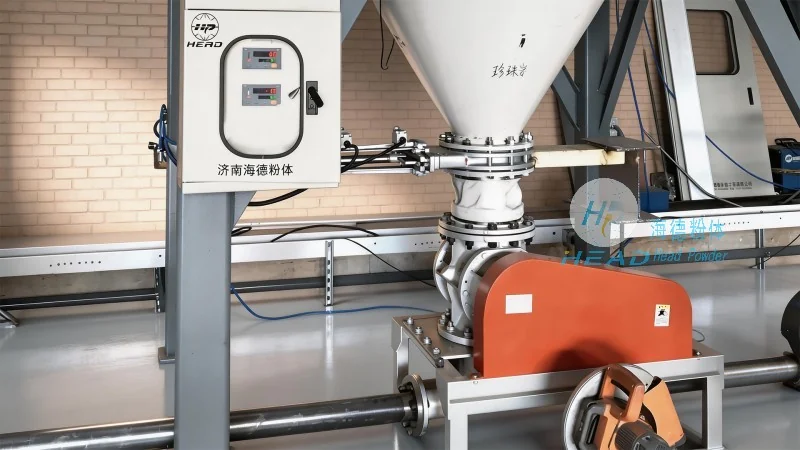
Benefits and Applications of NCA Pneumatic Conveying
Pneumatic conveying of NCA powders offers several advantages over traditional material handling methods. These include improved safety by eliminating the need for manual handling of fine powders, reduced contamination risk due to enclosed systems, and enhanced efficiency through continuous operation. The technology is widely used in the battery manufacturing industry, where NCA powders are transported from storage to mixing and coating lines. Other applications include pharmaceuticals, food processing, and chemical industries, where fine powders require precise and controlled transport. The ability to handle NCA powders in a dust-free environment is particularly valuable in industries where product purity is paramount.
Maintenance and Optimization of NCA Pneumatic Conveying Systems
To ensure the long-term reliability and efficiency of NCA pneumatic conveying systems, regular maintenance and optimization are essential. This includes cleaning the conveying line and components to prevent clogging, inspecting the air filter and dust collection system for performance, and monitoring the system's pressure and flow rates. Regular maintenance helps to extend the lifespan of the equipment and reduce downtime. Additionally, optimizing the system parameters, such as air velocity and flow rate, can improve conveying efficiency and reduce energy consumption. For example, adjusting the air pressure to match the specific properties of the NCA powder can minimize particle degradation and ensure consistent transport. Proper training of operators on the system's operation and maintenance is also crucial for maintaining optimal performance.




