Calcium carbide dust and filter cake are byproducts generated during the production process of calcium carbide. These materials often require efficient and reliable handling to ensure proper disposal or recycling. Air-driven conveying systems have emerged as a preferred solution for transporting such dusty and fine materials due to their ability to handle abrasive and potentially hazardous particles while minimizing environmental impact. This article provides an in-depth look at the operation process and working principle of air-driven conveying systems specifically designed for calcium carbide dust and filter cake, highlighting the key components, operational steps, and technical advantages.
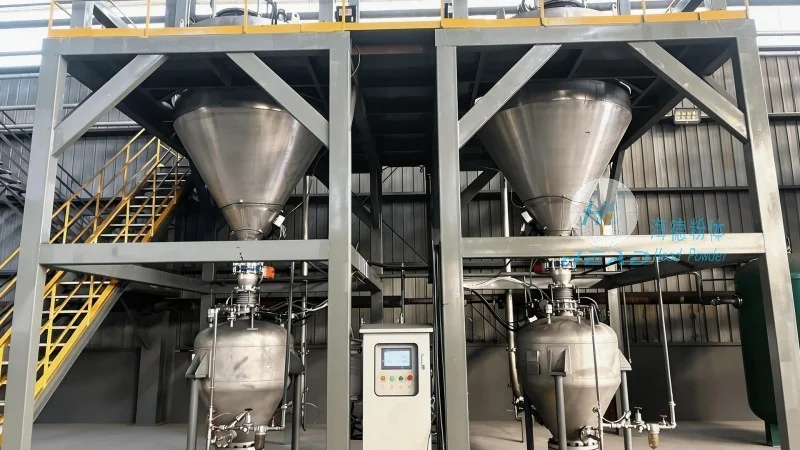
About Shandong HeadPowder Engineering Co., Ltd.
Shandong HeadPowder Engineering Co., Ltd., commonly known as headpowder, is a leading manufacturer specializing in engineering solutions for material handling and dust collection systems. With a strong focus on innovation and quality, the company has established itself as a trusted partner in the chemical and industrial sectors. HeadPowder's expertise lies in designing and supplying customized air-driven conveying systems tailored to the unique requirements of clients, ensuring optimal performance and longevity. The company's headquarters is located in Shandong, China, where it maintains state-of-the-art manufacturing facilities and technical support teams.
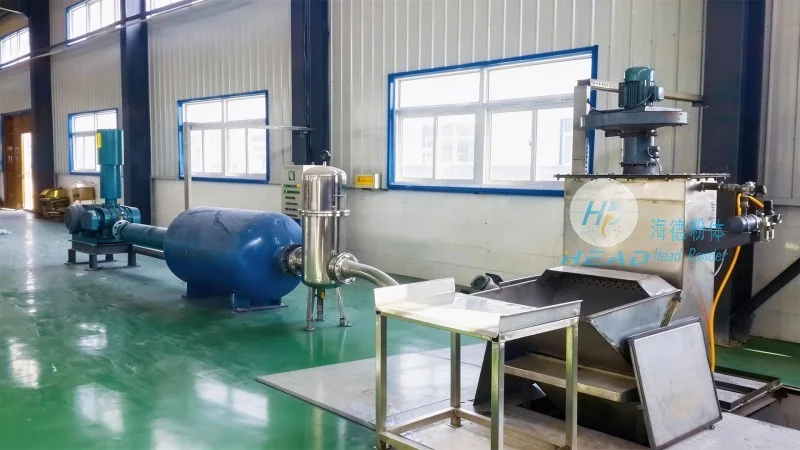
Key Components of the Air-Driven Conveying System
The air-driven conveying system for calcium carbide dust and filter cake typically consists of several critical components that work in tandem to achieve efficient material transport. The main components include a material hopper, a rotary airlock feeder, a pipeline system, a dust collector, and a blower or fan. Each component plays a vital role in the overall operation, ensuring that the material is conveyed safely and effectively. The material hopper serves as the storage container for the calcium carbide dust and filter cake, providing a consistent feed to the system. The rotary airlock feeder then regulates the flow of material from the hopper into the pipeline, preventing backflow and maintaining a steady supply. The pipeline system, often made of durable materials such as stainless steel or high-density polyethylene, transports the material through the system. The dust collector is integrated to capture any airborne particles, ensuring compliance with environmental regulations and maintaining air quality. Finally, the blower or fan generates the necessary air pressure to move the material through the pipeline, utilizing the principle of pneumatic conveying.
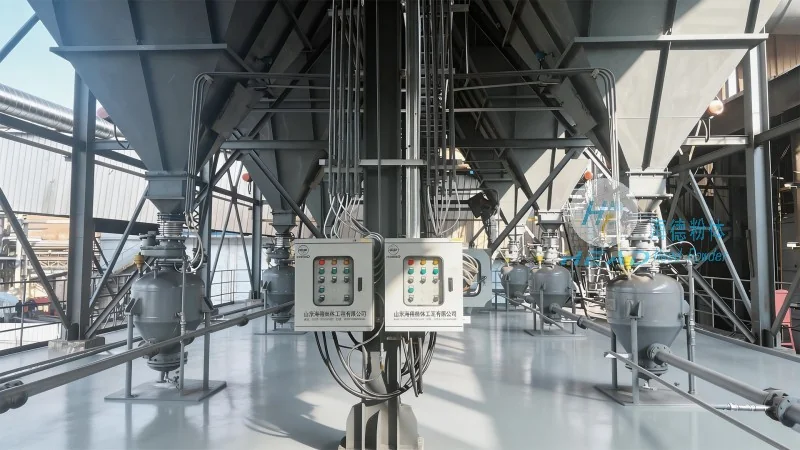
Operation Process of the Air-Driven Conveying System
The operation process of the air-driven conveying system for calcium carbide dust and filter cake involves several sequential steps that ensure smooth and continuous material transport. The process begins with the loading of the calcium carbide dust and filter cake into the material hopper. The hopper is designed to hold a sufficient quantity of material to maintain a consistent feed rate. Once the hopper is filled, the rotary airlock feeder starts to rotate, allowing the material to pass through the feeder and into the pipeline. The feeder's speed is controlled to regulate the flow rate, preventing overloading or underloading of the system. As the material enters the pipeline, the blower or fan generates a high-pressure air stream that propels the material forward. The air and material mixture travels through the pipeline, with the dust collector capturing any fine particles that may escape. The material is then discharged at the receiving end of the pipeline, where it is collected in a designated container or processing unit. The entire process is automated, with sensors and control systems monitoring the flow rate, pressure, and other parameters to ensure optimal performance. This automated operation minimizes human intervention, reduces labor costs, and enhances safety by eliminating direct handling of the dusty materials.
Working Principle of Air-Driven Conveying
The working principle of air-driven conveying for calcium carbide dust and filter cake is based on the pneumatic transport of particulate materials using compressed air. The system operates by creating a pressure differential between the inlet and outlet of the pipeline. The blower or fan generates a high-pressure air stream that enters the pipeline at the hopper end. As the air flows through the pipeline, it entrains the calcium carbide dust and filter cake particles, forming a slurry-like mixture. The air velocity within the pipeline is maintained above the minimum conveying velocity required to keep the particles suspended and moving forward. The conveying velocity is determined by factors such as particle size, density, and the air pressure used. The dust collector is positioned at the receiving end or along the pipeline to capture any airborne particles that may be released during the conveying process. The collected dust is then returned to the system or disposed of according to environmental regulations. The overall efficiency of the air-driven conveying system depends on the proper design of the pipeline, the selection of the blower, and the maintenance of the system components. By optimizing these factors, the system can achieve high conveying rates with minimal energy consumption and material loss.
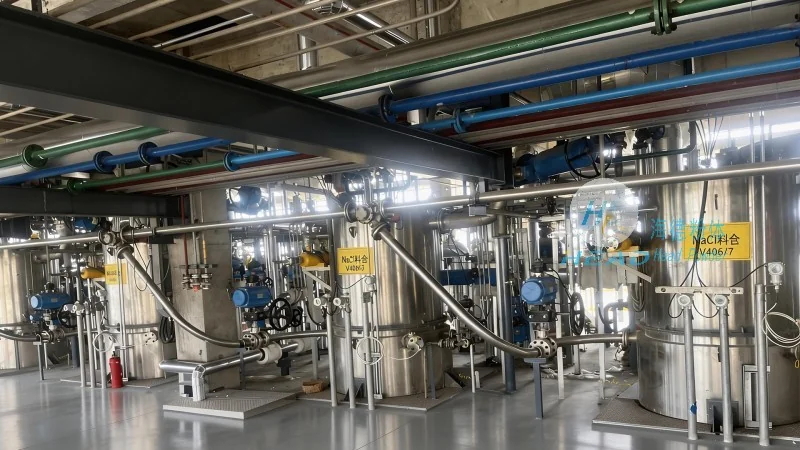
Advantages of Air-Driven Conveying for Calcium Carbide Dust and Filter Cake
Compared to traditional mechanical conveying methods, air-driven conveying offers several advantages for handling calcium carbide dust and filter cake. One of the primary benefits is the ability to transport abrasive and potentially hazardous materials without the need for moving parts that come into direct contact with the material. This reduces wear and tear on the system components, extending their lifespan and reducing maintenance costs. Additionally, air-driven conveying systems are highly flexible, allowing for the transportation of materials over long distances and through complex layouts without the need for multiple transfer points. The system can also handle varying material feed rates and compositions, making it suitable for different production stages. Another advantage is the reduced risk of dust explosions, as the system is designed to maintain a controlled environment with minimal accumulation of dust. The integration of a dust collector further enhances safety by capturing airborne particles and preventing their release into the workplace. Overall, air-driven conveying provides a cost-effective and reliable solution for the handling of calcium carbide dust and filter cake, contributing to improved operational efficiency and environmental compliance.




