Shandong HeadPowder Engineering Co., Ltd., based in Shandong, China, specializes in the design and implementation of advanced pneumatic conveying systems tailored for the transportation of steel and limestone materials. These systems are critical in modern steel production facilities, where efficient material handling is essential for maintaining production efficiency and operational safety. The following sections outline the fundamental principles of such systems and highlight key working scene characteristics that define their effectiveness in industrial applications.
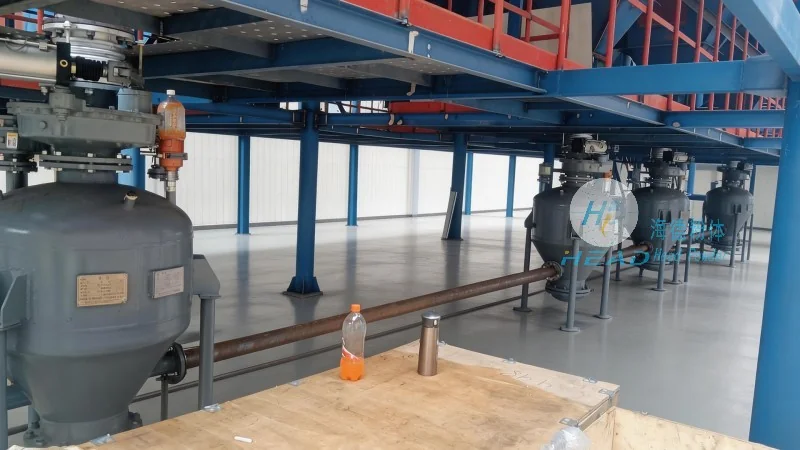
Principle of Pneumatic Conveying Systems
The core principle of a pneumatic conveying system for steel and limestone materials involves the use of air as a medium to transport bulk materials through a network of pipes. The system typically comprises several key components, including a material feeder, a blower or air compressor, a conveying pipeline, a separation unit, and a discharge device. The material feeder ensures a consistent and controlled flow of the limestone or steel-related materials into the system. The blower generates the necessary air pressure and flow rate to move the material through the pipeline. As the material travels through the conveying line, it is suspended and propelled by the air stream. The separation unit, often a cyclone or a bag filter, separates the material from the air at the end of the pipeline, allowing the material to be discharged into the target location while the air is either recirculated or vented. This process enables continuous, dust-free, and efficient material transport over long distances, which is particularly valuable in steel manufacturing environments where traditional belt or bucket elevators may be less suitable due to space constraints or material characteristics.
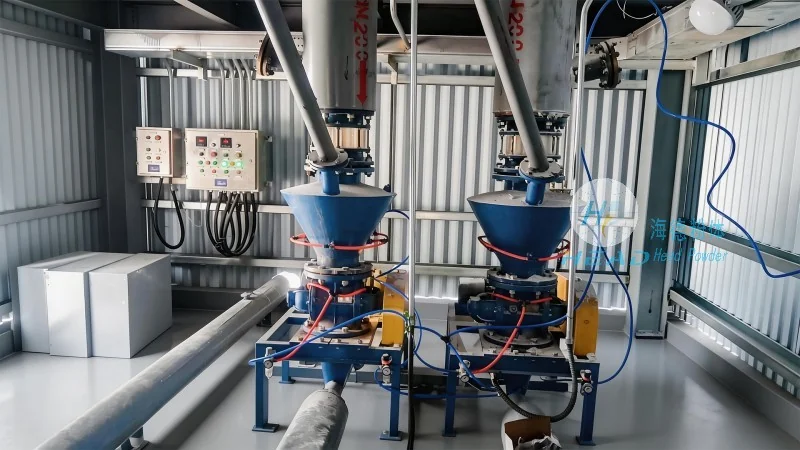
Working Scene Characteristics of Pneumatic Conveying Systems
In the context of steel production, the working scene characteristics of pneumatic conveying systems for limestone materials are shaped by several factors, including the nature of the material, the production environment, and the specific application requirements. Limestone, a key raw material in steelmaking, is often used as a flux to adjust the chemical composition of the molten steel. The material is typically in the form of crushed or ground limestone, which can be abrasive and require specialized equipment to handle. Pneumatic conveying systems are well-suited for this application because they can transport the material without the need for mechanical contact, reducing wear and tear on equipment and minimizing the risk of material degradation.
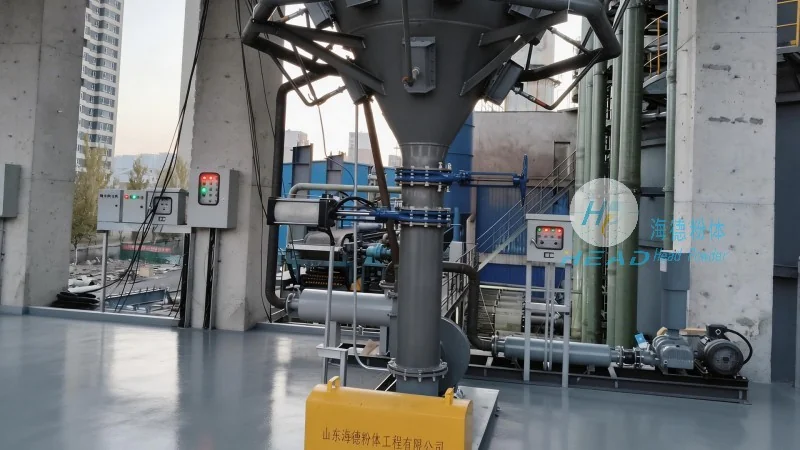
One of the primary working scene characteristics is the ability to handle high volumes of material with minimal downtime. In steel plants, limestone is often required to be delivered to various points in the production line, such as the blast furnace or the ladle furnace, in a continuous manner. Pneumatic conveying systems can achieve this by operating at high flow rates, ensuring that the material is delivered on schedule to meet the demands of the production process. Additionally, these systems are designed to be flexible, allowing for changes in the material flow rate or destination without significant modifications to the infrastructure.
Another important characteristic is the system's adaptability to different environmental conditions. Steel production facilities often operate in harsh environments with high temperatures, dust, and noise. Pneumatic conveying systems are designed to withstand these conditions, with components such as the blower and separation unit being constructed from materials that resist corrosion and wear. The system can also be integrated with dust control measures, such as bag filters or cyclones, to minimize the impact of dust on the surrounding environment and on the health of workers.
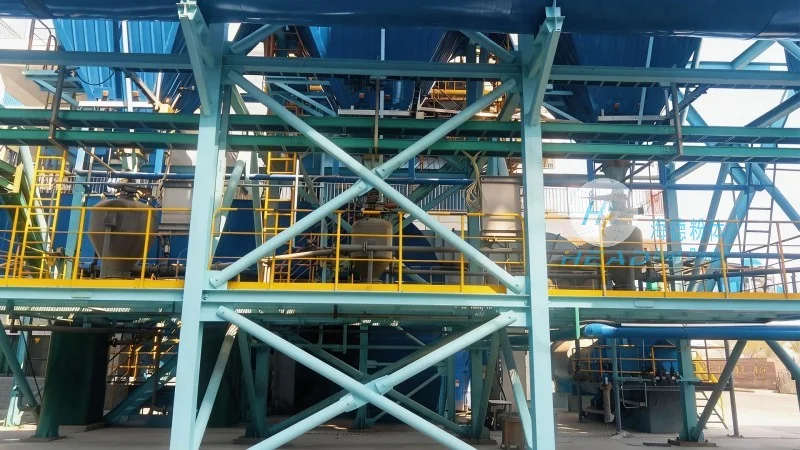
The working scene also includes considerations related to maintenance and operational efficiency. Pneumatic conveying systems are generally low-maintenance compared to other material handling methods, as they have fewer moving parts and are less prone to mechanical failures. Regular maintenance, such as cleaning the separation unit and checking the air pressure, is typically sufficient to keep the system running smoothly. This reduces the overall cost of ownership and ensures that the system can operate continuously without interruptions.




