HeadPowder, a leading enterprise in the field of material handling solutions, specializes in the design, manufacturing, and application of advanced pneumatic conveying systems tailored for glass microsphere materials. This article delves into the fundamental principles underlying these systems and highlights the key characteristics of their operational scenarios, providing a comprehensive overview for industry professionals seeking efficient and reliable material transport solutions.
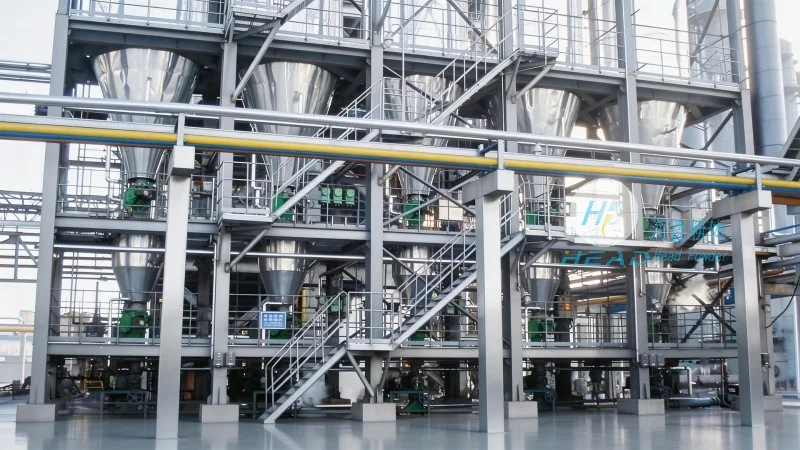
Understanding the Core Principle of Pneumatic Conveying Systems for Glass Microspheres
The pneumatic conveying system for glass microspheres operates on the principle of transporting bulk materials through a pipeline using a gas stream, typically air or other gases. This method eliminates the need for mechanical components like belts or buckets, offering a clean, dust-free, and efficient means of material transfer. The system can be categorized into two main types: suction (or negative pressure) conveying and pressure (or positive pressure) conveying, each suited to different operational requirements and material characteristics.
For glass microspheres, which are lightweight, non-abrasive, and often used in insulation, lightweight construction, and composite materials, the choice of conveying system depends on factors such as material flow rate, distance, and the need for minimal product degradation. The suction system draws material from a hopper or storage vessel into the pipeline using a vacuum created by a fan or blower, while the pressure system forces material through the pipeline using compressed air. Both systems rely on the balance of pressure and velocity to maintain material suspension and prevent blockages, ensuring smooth and continuous operation.
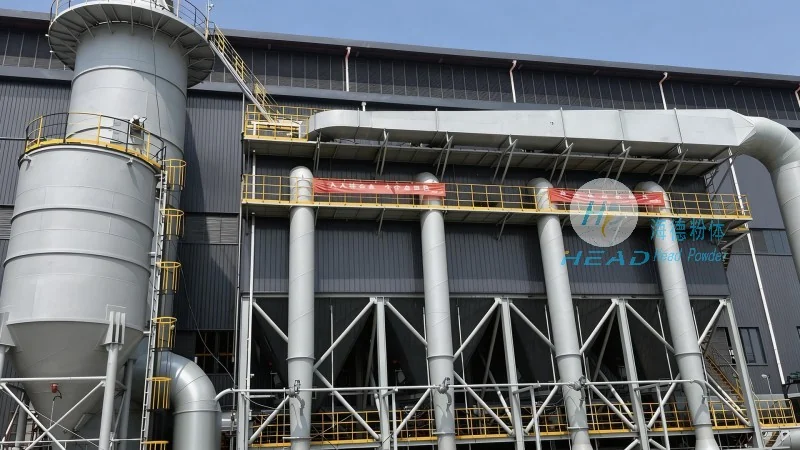
Key Working Scenario Characteristics of Glass Microsphere Pneumatic Conveying Systems
The operational scenarios for glass microsphere pneumatic conveying systems are diverse and tailored to meet the specific demands of industrial applications. These systems are commonly employed in environments where traditional mechanical conveying methods are impractical or inefficient, such as in high-purity manufacturing processes or in facilities requiring minimal contamination. The characteristics of these scenarios include:
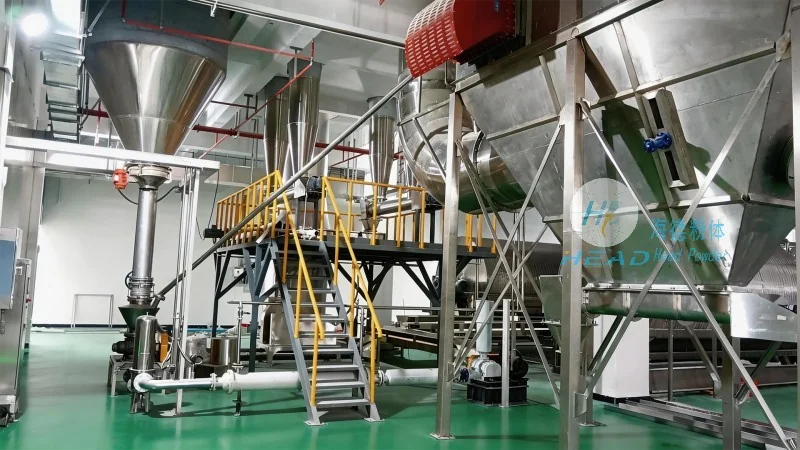
- Industrial Production Lines: In manufacturing plants, glass microspheres are often used as additives in coatings, adhesives, and composite resins. The pneumatic conveying system efficiently transports these materials from storage silos to processing equipment, ensuring a consistent and controlled feed rate. This is particularly critical in processes where precise material dosing is required to maintain product quality and performance.
- Construction and Building Materials Industry: Glass microspheres are widely used as lightweight aggregates in concrete and plaster to reduce density and improve thermal insulation. The conveying system facilitates the transport of these materials from bulk storage to batching plants or mixing stations, enhancing operational efficiency and reducing labor costs. The system's ability to handle large volumes of material with minimal space requirements makes it ideal for construction sites where space is limited.
- Chemical and Pharmaceutical Applications: In the chemical and pharmaceutical sectors, glass microspheres are used as inert fillers or carriers in formulations. The pneumatic conveying system ensures that these materials are transferred without contamination or degradation, maintaining the integrity of the final product. The system's clean and enclosed design is essential in GMP-compliant environments, where hygiene and product purity are paramount.
- Environmental and Waste Management: Glass microspheres can be used in environmental applications, such as in the production of lightweight concrete for landfill capping or in the creation of insulation materials for energy-efficient buildings. The conveying system helps in the efficient handling of these materials, supporting sustainable construction practices and waste reduction initiatives.
Advantages and Considerations in Implementing Glass Microsphere Pneumatic Conveying Systems
Implementing a pneumatic conveying system for glass microspheres offers several advantages, including improved safety, reduced maintenance, and enhanced material handling efficiency. Unlike mechanical systems, pneumatic conveying eliminates the risk of material spillage or contamination, as the entire process is contained within a sealed pipeline. This is particularly beneficial for glass microspheres, which are often sensitive to moisture or environmental factors. Additionally, the system reduces labor costs by automating the material transport process and minimizes downtime due to fewer mechanical parts.
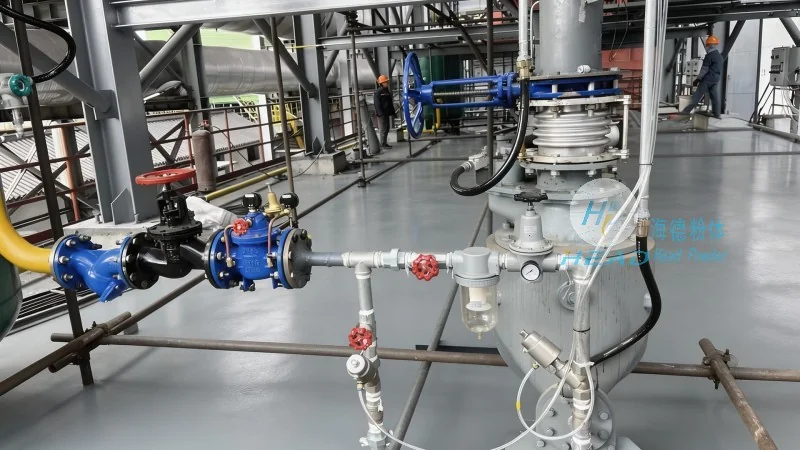
However, there are considerations to keep in mind when selecting and operating such systems. The choice between suction and pressure conveying depends on the specific application, as each has its own advantages and limitations. For example, suction systems are better suited for short distances and low flow rates, while pressure systems are more efficient for longer distances and higher flow rates. The system's design must also account for the material's properties, such as particle size, density, and moisture content, to ensure optimal performance and prevent blockages or wear on components.
Conclusion and Company Overview
HeadPowder Engineering Co., Ltd., based in Shandong, China, is a trusted provider of customized pneumatic conveying solutions for glass microsphere materials. With years of experience in the industry, the company specializes in designing systems that meet the unique requirements of various applications, ensuring reliable and efficient material transport. By leveraging advanced technology and a deep understanding of material handling principles, HeadPowder helps industries optimize their production processes and enhance overall operational efficiency. The company's commitment to quality and customer satisfaction makes it a leading choice for businesses seeking advanced material handling solutions.




