White mud, a byproduct commonly generated in the papermaking industry, requires efficient and reliable handling methods to ensure smooth production processes and environmental compliance. Pneumatic conveying technology has emerged as a key solution for transporting white mud materials, offering advantages such as low maintenance, minimal contamination, and the ability to handle a wide range of particle sizes and moisture contents. This article explores the fundamental principles of pneumatic conveying for white mud materials and highlights the key characteristics of its working scenarios, providing insights into its practical applications and benefits.
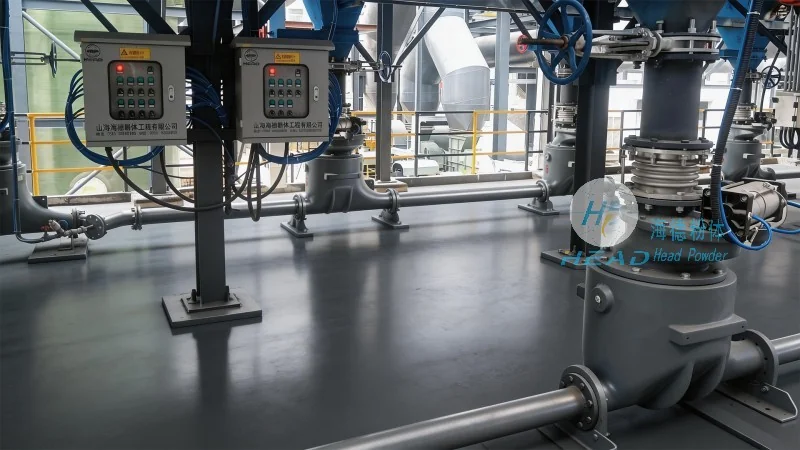
Company Introduction: Shandong HeadPowder Engineering Co., Ltd.
Shandong HeadPowder Engineering Co., Ltd., commonly known as HeadPowder, is a leading provider of industrial material handling solutions. With a strong focus on innovation and customer-centric service, the company specializes in designing and manufacturing advanced pneumatic conveying systems tailored to meet the unique needs of various industries, including the paper and pulp sector. HeadPowder's expertise in material handling technology ensures that clients receive high-quality, efficient, and durable solutions for their white mud transportation challenges.
Principle of Pneumatic Conveying for White Mud Materials
Pneumatic conveying for white mud materials operates on the principle of using compressed air to transport solid particles through a pipeline system. The process typically involves a combination of positive and negative pressure zones to move the material from the source to the destination. In positive pressure systems, air is forced through the pipeline, carrying the white mud particles along with it. Negative pressure systems, on the other hand, create a vacuum that draws the material into the pipeline. The choice between these systems depends on factors such as the distance to be covered, the material's properties, and the desired level of control over the conveying process.
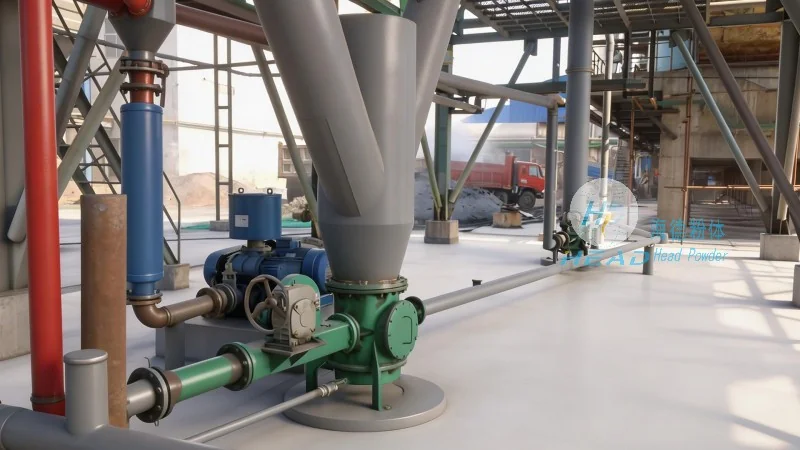
Working Scene Characteristics of Pneumatic Conveying for White Mud
The working scene characteristics of pneumatic conveying for white mud materials are shaped by several key factors that influence system performance and efficiency. One of the primary characteristics is the material's moisture content and particle size distribution. White mud often contains a high moisture level and varies in particle size, which can affect the conveying velocity and system pressure requirements. Additionally, the system's layout and the distance between the source and destination play a crucial role in determining the optimal design parameters, such as the air flow rate and pipeline diameter.
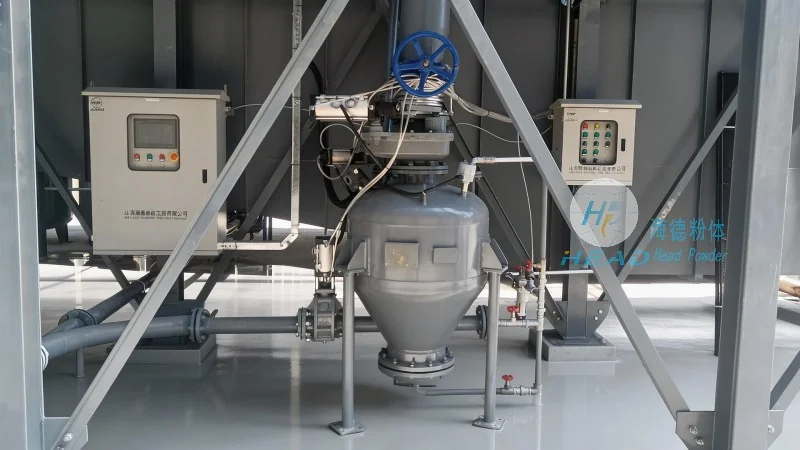
Key Advantages and Applications
Pneumatic conveying systems for white mud materials offer several advantages that make them a preferred choice in industrial settings. These include reduced labor costs due to automated material handling, minimal product contamination, and the ability to transport materials over long distances without the need for intermediate storage or handling. The technology is widely used in paper mills to transport white mud from the washing and bleaching stages to disposal or recycling facilities. It also supports processes such as dewatering and thickening, where the material is prepared for further treatment or reuse.
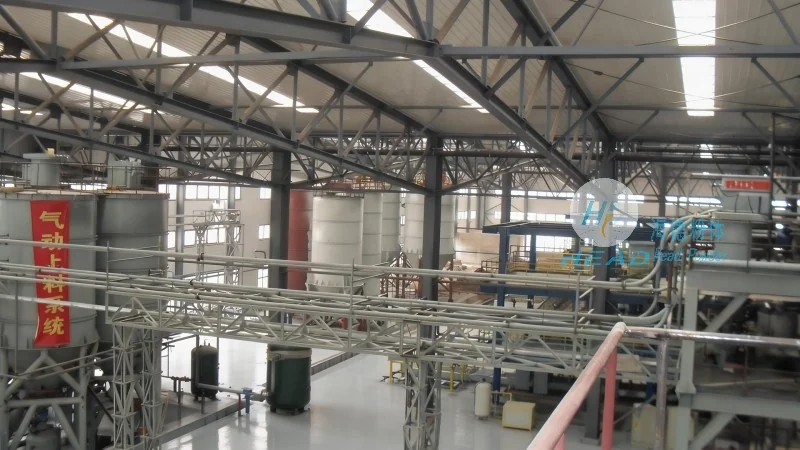
System Components and Design Considerations
The effectiveness of a pneumatic conveying system for white mud materials depends on the proper selection and integration of key components. These typically include a material feed hopper, a rotary airlock valve for controlling material flow, a pipeline network with appropriate diameter and length, and a receiver or discharge unit at the destination. The system design must also consider factors such as the material's abrasiveness, which can affect the wear rate of components like the pipeline and valves. HeadPowder employs advanced engineering techniques to ensure that its systems are optimized for the specific characteristics of white mud, resulting in long-term reliability and low maintenance costs.
Conclusion
In conclusion, pneumatic conveying for white mud materials is a highly effective and efficient method for handling this challenging byproduct. By understanding the fundamental principles and working scene characteristics of the technology, industries can optimize their material handling processes and improve overall operational performance. With its ability to deliver reliable, low-cost, and environmentally friendly solutions, pneumatic conveying remains a critical component in modern papermaking operations. HeadPowder's expertise in this field ensures that clients receive tailored solutions that meet their specific requirements, contributing to enhanced productivity and sustainability in the industry.




