Adipic acid, a critical raw material widely utilized in the production of nylon and other chemical compounds, often necessitates efficient and reliable transportation methods to ensure seamless industrial operations. Pneumatic conveying, a technology that leverages air or gas to transport powder materials, has emerged as a vital solution for handling adipic acid powder. This article delves into the fundamental principles of pneumatic conveying for adipic acid powder and highlights the key characteristics of its application scenarios.
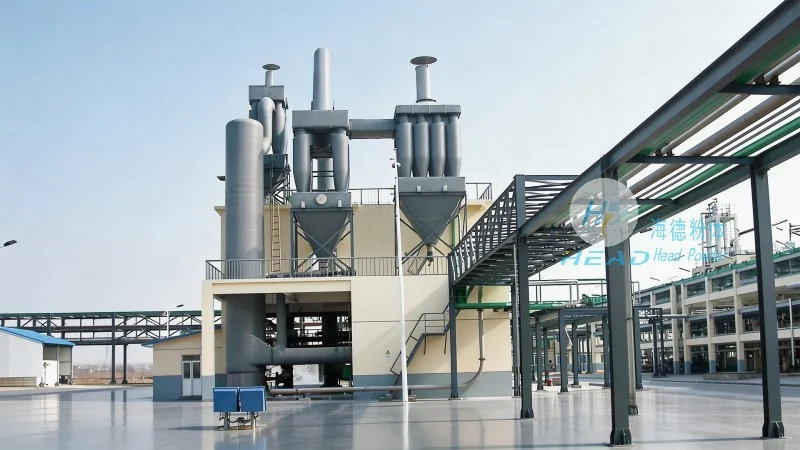
Company Profile: Shandong HeadPowder Engineering Co., Ltd.
Shandong HeadPowder Engineering Co., Ltd., a leading enterprise in the field of powder processing and conveying systems, specializes in delivering customized solutions for diverse powder handling needs. With a strong commitment to technological innovation and quality assurance, the company has established itself as a trusted partner for industries dealing with fine powders, including adipic acid. HeadPowder's expertise lies in designing and manufacturing efficient pneumatic conveying systems tailored to the specific requirements of clients, ensuring optimal performance and reliability in powder transportation processes.
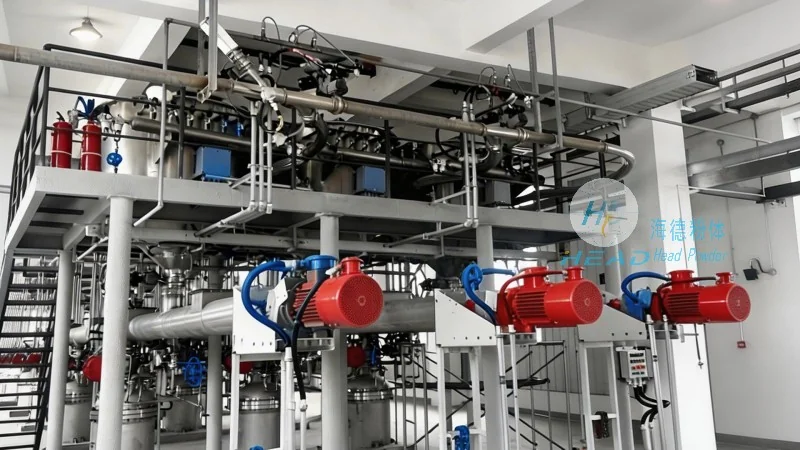
The Principles of Pneumatic Conveying for Adipic Acid Powder
Pneumatic conveying operates on the principle of using air or gas to create a flow that transports powder particles through a pipeline. For adipic acid powder, which is typically fine and can be prone to caking or agglomeration, the design of the conveying system is critical. The system generally comprises a material feed hopper, a conveying line, a separation unit, and a dust collection system. The feed hopper ensures a consistent supply of powder, while the conveying line—often equipped with positive or negative pressure systems—moves the powder from the source to the destination. The separation unit, such as a cyclone or bag filter, separates the powder from the air stream, and the dust collection system ensures compliance with environmental regulations. The choice between positive and negative pressure systems depends on factors like the distance, material properties, and system layout. Positive pressure systems are suitable for short-distance conveying with high material flow rates, while negative pressure systems are ideal for longer distances or when the material is sensitive to pressure changes. In the case of adipic acid, the system design must consider the material's hygroscopic nature and potential for dust generation, ensuring that the conveying process is both efficient and safe.
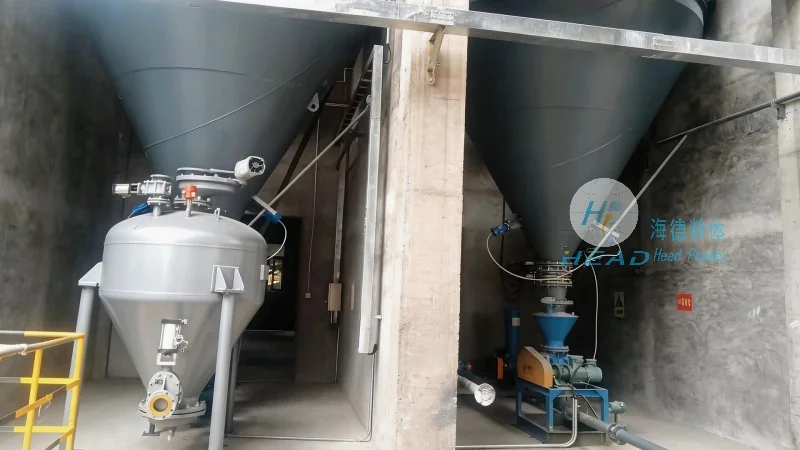
Key Characteristics of Application Scenarios
The application scenarios for pneumatic conveying of adipic acid powder vary based on the specific industrial processes and operational requirements. One common scenario is in chemical manufacturing plants where adipic acid is produced and then transported to downstream processing units, such as polymerization facilities. In these settings, the conveying system must handle large volumes of powder and maintain a consistent flow rate to support continuous production. Another scenario involves the handling of adipic acid in bulk storage and distribution centers, where the system needs to transport the powder from storage silos to loading vehicles or other processing equipment. The characteristics of these scenarios include high throughput, consistent material quality, and the need for minimal product loss or contamination. Additionally, the system must be designed to prevent the accumulation of static electricity, as adipic acid powder can be electrostatically charged, which poses a fire and explosion risk. Therefore, proper grounding and anti-static measures are essential components of the conveying system. The work environment also plays a role, as adipic acid powder can be irritant to the respiratory system, requiring the system to incorporate effective dust suppression and filtration to protect personnel and comply with occupational health standards.
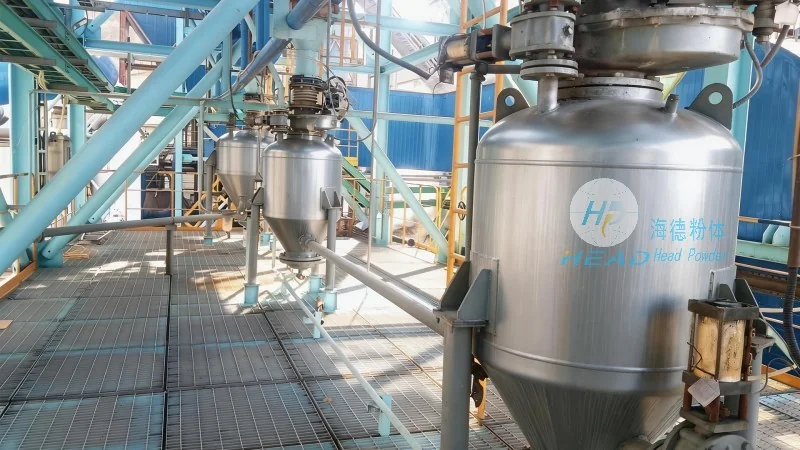
Advantages and Considerations in Pneumatic Conveying
Pneumatic conveying offers several advantages for adipic acid powder handling, including high efficiency, low maintenance costs, and the ability to transport materials over long distances without the need for intermediate storage. The system can be integrated with existing production lines, reducing the need for additional infrastructure. However, there are also considerations to keep in mind. For instance, the cost of the system can be higher compared to other conveying methods, such as belt conveyors, especially for large-scale operations. The energy consumption is another factor, as pneumatic systems require significant air pressure or vacuum, which can impact operational costs. Moreover, the system's performance is highly dependent on the properties of the powder, including particle size, density, and flowability. Adipic acid powder, being fine and cohesive, may require specialized equipment like screw feeders or vibratory feeders to ensure smooth feeding into the conveying line. The system must also be designed to handle variations in material moisture content, as changes in humidity can affect the powder's flow characteristics and increase the risk of clogging. Regular maintenance and cleaning are essential to prevent the buildup of powder residue, which can lead to system inefficiencies and potential safety hazards. HeadPowder's expertise in customizing pneumatic conveying systems ensures that these considerations are addressed effectively, providing clients with reliable and efficient solutions tailored to their specific needs.




