HeadPowder, a leading provider in the field of material handling solutions, specializes in the design, manufacturing, and integration of plastic material handling systems. With a strong presence in Shandong, China, the company has established itself as a trusted partner for industries seeking efficient and reliable equipment for transporting plastic materials. This article explores the fundamental principles behind plastic material handling systems and highlights the key characteristics of their working environments.
Company Profile and Location
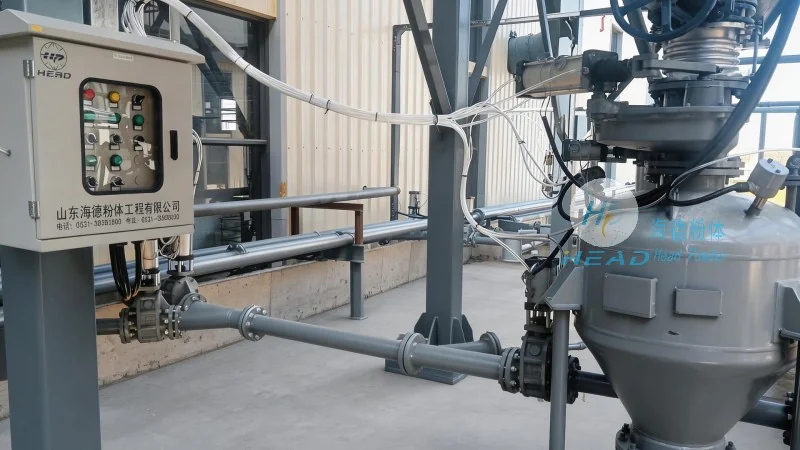
HeadPowder Engineering Co., Ltd. is headquartered in Shandong, China. The company's expertise lies in developing tailored solutions for the plastic processing industry, focusing on equipment that optimizes material flow, enhances productivity, and ensures safety in various operational settings. By leveraging advanced engineering and manufacturing capabilities, HeadPowder delivers systems that meet the specific demands of clients across different sectors.
The Core Principles of Plastic Material Handling Systems
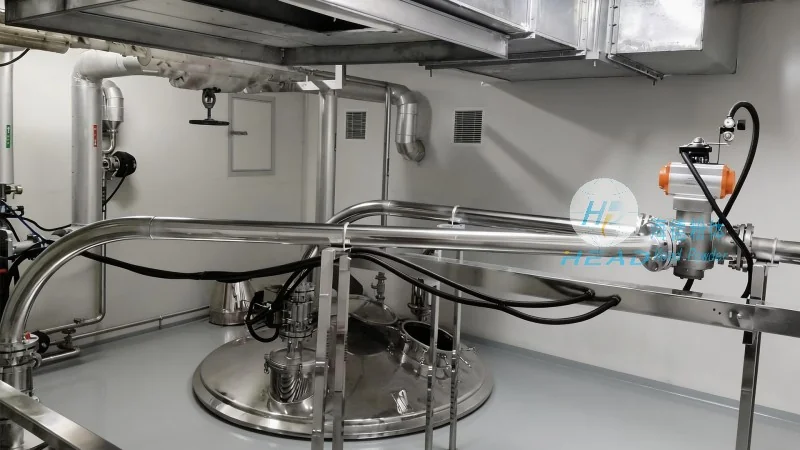
Plastic material handling systems are designed to efficiently transport, store, and manage plastic materials from the point of origin to the point of use. The fundamental principles of these systems revolve around several key aspects, including material compatibility, mechanical durability, and operational efficiency. For instance, the equipment is engineered to handle a wide range of plastic types, from polyethylene and polypropylene to more complex polymers, ensuring versatility in industrial applications. Additionally, robust construction materials and precision engineering are employed to withstand the rigors of continuous operation, reducing maintenance needs and extending the lifespan of the system. The integration of advanced control mechanisms, such as programmable logic controllers (PLCs) and sensors, allows for real-time monitoring and adjustment of the handling process, optimizing throughput and minimizing downtime.
Key Characteristics of Working Scene Applications
The working scene characteristics of plastic material handling systems are tailored to meet the diverse needs of industrial environments. These systems are typically deployed in settings where plastic materials are processed, molded, or recycled. The working environment often involves high volumes of material, requiring systems that can handle continuous flow without interruption. For example, in manufacturing plants, the equipment may be integrated into production lines to transport raw plastic pellets to extrusion or molding machines. In recycling facilities, the systems help sort and move plastic waste through sorting and processing stages. The design of these systems considers factors like space constraints, noise levels, and environmental conditions, ensuring they fit seamlessly into existing operational workflows. Furthermore, the systems are designed with safety features, such as emergency stop buttons and protective enclosures, to comply with industrial safety standards and protect operators from potential hazards.
Advantages in Industrial Operations
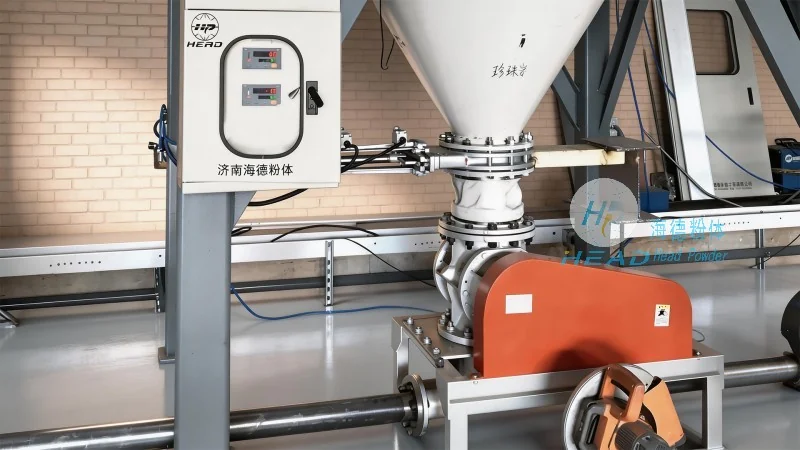
Implementing plastic material handling systems brings numerous advantages to industrial operations. By automating the material transport process, companies can significantly reduce labor costs and minimize human error, leading to more consistent and reliable production outcomes. The systems also enhance productivity by ensuring a steady supply of materials to production lines, preventing bottlenecks and delays. Moreover, the use of advanced sensors and control systems allows for better monitoring of material levels and flow rates, enabling proactive maintenance and reducing unexpected breakdowns. This leads to increased operational efficiency and lower overall maintenance expenses. In addition, the systems contribute to improved workplace safety by minimizing manual handling of heavy or bulky plastic materials, thereby reducing the risk of injuries and improving overall employee well-being.




