HeadPowder, a leading enterprise in the field of powder handling technology, specializes in the design and implementation of pneumatic conveying systems for sodium chlorate. This article delves into the fundamental principles behind sodium chlorate powder pneumatic conveying and explores the key application scenarios where such systems are employed. By understanding these aspects, industries can optimize material transport processes, enhance operational efficiency, and ensure safety in handling sodium chlorate, a critical chemical compound used in various industrial applications.
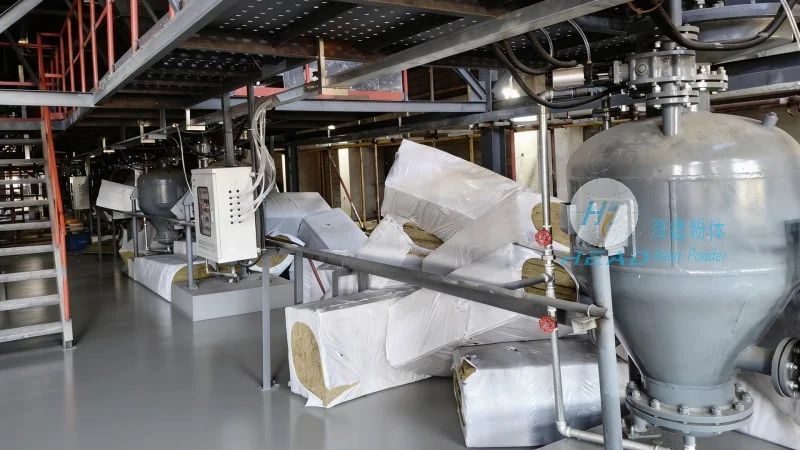
Principles of Pneumatic Conveying for Sodium Chlorate
The core principle of pneumatic conveying involves the use of a gas stream, typically air or a mixture of air and other gases, to transport solid particles like sodium chlorate through a pipeline. This method relies on the interaction between the gas flow and the powder particles, creating a fluidized or suspended state that allows for efficient movement. There are primarily two types of pneumatic conveying systems: dilute-phase and dense-phase. Dilute-phase systems operate at higher velocities, with particles suspended in the gas stream, while dense-phase systems use lower velocities and higher particle concentrations, often employing pressure or vacuum to move the material.
In the context of sodium chlorate, the choice of system depends on factors such as the particle size, moisture content, and the distance over which the material needs to be transported. For fine sodium chlorate powders, dilute-phase systems are commonly used due to their ability to handle high flow rates and long distances with minimal pressure drop. The system typically includes a feeding device, a conveying line, a separator, and a receiver. The feeding device ensures a consistent flow of sodium chlorate into the pipeline, while the conveying line transports the material. The separator separates the powder from the gas, and the receiver collects the conveyed material. The gas, now free of particles, is either vented or recycled back into the system to minimize energy consumption and environmental impact.
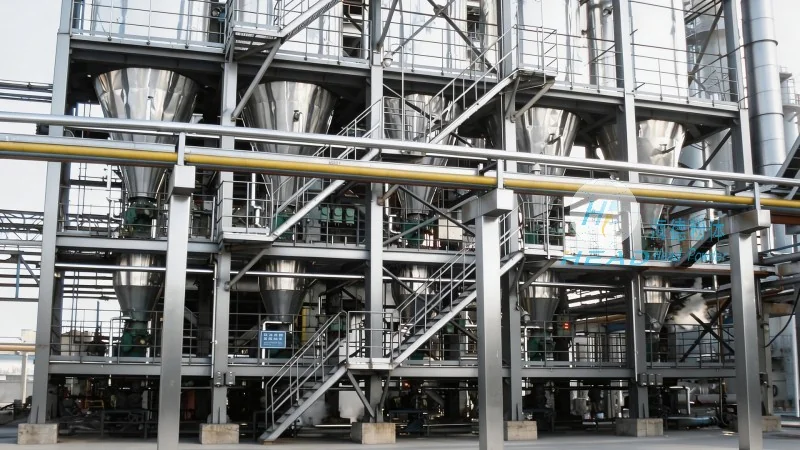
Key Components and Their Functions in Sodium Chlorate Pneumatic Conveying Systems
Several critical components work together to ensure the effective and safe operation of sodium chlorate pneumatic conveying systems. The first is the feeding device, which can be a rotary valve, a star feeder, or a screw feeder. These devices control the flow rate of sodium chlorate into the conveying line, preventing blockages and ensuring a steady supply. The conveying line is usually made of stainless steel or other corrosion-resistant materials to withstand the chemical properties of sodium chlorate and prevent contamination. The line diameter and length are carefully designed based on the system's capacity and the required pressure drop. The separator, often a cyclone or a bag filter, removes the powder from the gas stream. The separator's efficiency is crucial to minimize dust emissions and maintain the purity of the conveyed material. Finally, the receiver is a storage vessel that collects the sodium chlorate after it has been conveyed. The receiver may include a discharge valve to allow for controlled release of the material.
Application Scenarios of Sodium Chlorate Powder Pneumatic Conveying
Sodium chlorate is widely used in industries such as pulp and paper, textile, and chemical manufacturing. The pneumatic conveying systems designed for sodium chlorate are tailored to meet the specific requirements of these applications. For example, in the pulp and paper industry, sodium chlorate is used as an oxidizing agent in the bleaching process. Pneumatic conveying systems are used to transport sodium chlorate from storage silos to the bleaching reactors, ensuring a continuous and controlled supply. In the textile industry, sodium chlorate is used in dyeing processes and as a bleaching agent. The systems help in transporting the powder to the dyeing machines, maintaining consistent quality and reducing handling risks. In chemical manufacturing, sodium chlorate is used in the production of other chemicals, and the pneumatic conveying systems facilitate the transfer of the powder between production stages, improving overall plant efficiency.
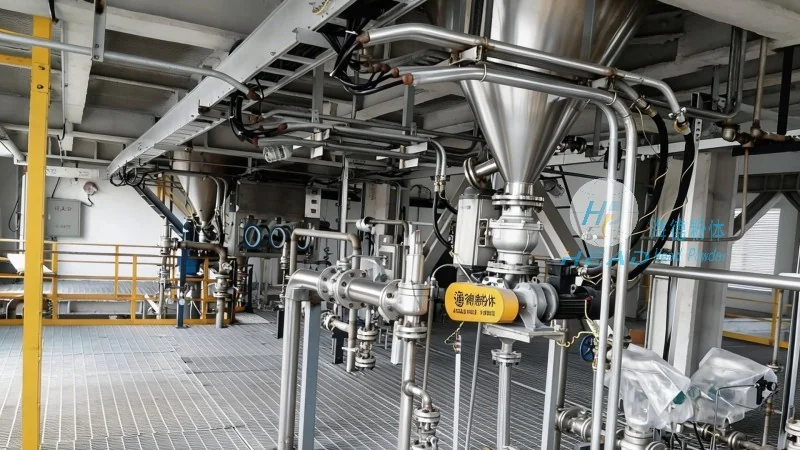
Another important application scenario is in the pharmaceutical and food industries, where sodium chlorate is used as a disinfectant and a preservative. However, due to the stringent safety and hygiene requirements in these sectors, the pneumatic conveying systems must be designed with additional features such as dust collection, filtration, and material handling equipment that meets regulatory standards. The systems are often equipped with closed-loop designs to prevent dust emissions and ensure that the material is handled in a controlled environment.
Advantages of Using Pneumatic Conveying for Sodium Chlorate
Implementing pneumatic conveying systems for sodium chlorate offers several advantages over traditional methods like bucket elevators or belt conveyors. One of the primary benefits is the ability to handle fine powders without the risk of clogging or bridging, which are common issues with mechanical conveyors. Pneumatic systems also provide a more hygienic and controlled environment, reducing the risk of contamination and dust exposure. Additionally, these systems can transport sodium chlorate over long distances with minimal energy consumption, making them cost-effective for large-scale operations. The flexibility of pneumatic conveying systems allows for easy integration into existing production lines, and they can be adapted to handle varying flow rates and material characteristics. Furthermore, the systems are designed to minimize maintenance requirements, as they have fewer moving parts compared to mechanical conveyors, leading to lower operational costs and increased reliability.
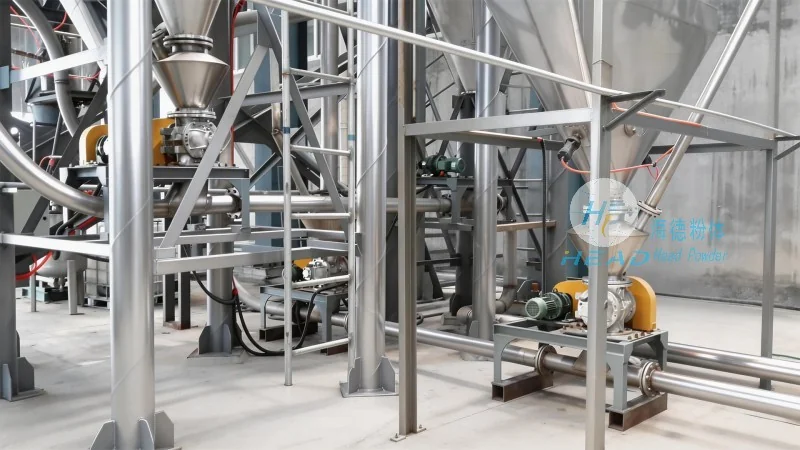
Considerations for Designing Sodium Chlorate Pneumatic Conveying Systems
When designing a pneumatic conveying system for sodium chlorate, several factors must be considered to ensure optimal performance and safety. The first is the particle size and moisture content of the sodium chlorate. Fine particles require higher gas velocities to maintain suspension, while higher moisture content can affect the flowability and cause clogging. The system design must account for these characteristics to prevent system failures. The system pressure is another critical factor. High-pressure systems are suitable for long-distance transport, while low-pressure systems are better for short distances. The choice of pressure depends on the required flow rate and the distance over which the material needs to be conveyed. The material handling environment also plays a role. For example, in industrial settings where space is limited, compact systems are preferred. In contrast, large-scale operations may require more extensive infrastructure. The environmental regulations must also be considered, as sodium chlorate is a hazardous material, and the system must comply with local and international safety standards. This includes proper dust collection, ventilation, and material containment to prevent environmental contamination and ensure worker safety.
Conclusion
HeadPowder, with its expertise in powder handling technology, provides comprehensive solutions for sodium chlorate powder pneumatic conveying. By understanding the principles and application scenarios of these systems, industries can enhance their operational efficiency, ensure safety, and comply with regulatory requirements. The use of pneumatic conveying systems for sodium chlorate not only improves the overall performance of material transport processes but also contributes to a safer and more sustainable industrial environment. As the demand for efficient and reliable powder handling systems continues to grow, HeadPowder remains committed to delivering innovative solutions that meet the evolving needs of the industry.




