Understanding the core principles and operational characteristics of yeast powder material handling systems is essential for optimizing production efficiency in the food and beverage industry. These systems are specifically designed to manage the transport, storage, and distribution of yeast powders, which are critical ingredients in baking and fermentation processes. The following exploration delves into the fundamental mechanisms behind these systems and highlights key working scene characteristics that define their effectiveness.
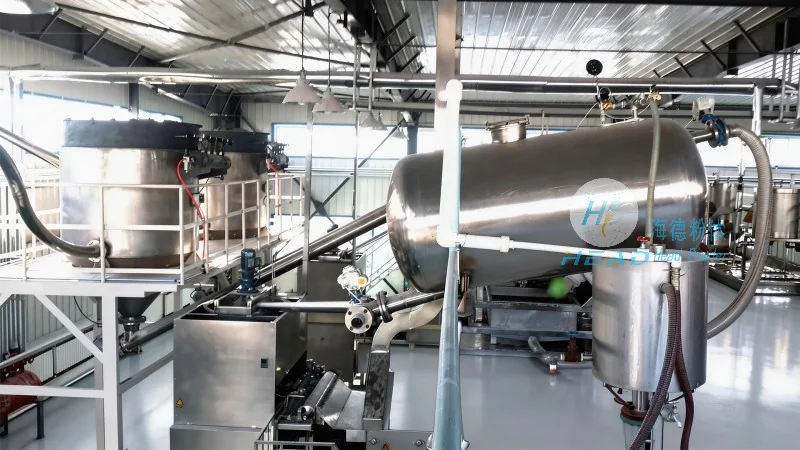
Core Principles of Yeast Powder Material Handling Systems
At the heart of yeast powder material handling systems lies a sophisticated integration of mechanical and pneumatic components. The primary goal is to ensure the safe, efficient, and hygienic transfer of yeast powders from storage to processing equipment. These systems typically incorporate features such as dust control mechanisms, temperature regulation, and precise flow control to maintain the quality and integrity of the yeast product. The design often includes enclosed conveying lines to prevent contamination and ensure compliance with food safety standards. By leveraging advanced engineering, these systems minimize product loss and maximize operational reliability, making them indispensable in modern industrial settings.
Key Working Scene Characteristics
Yeast powder material handling systems operate in diverse industrial environments, each with unique requirements that influence system design and functionality. For instance, in large-scale bakery operations, systems may need to handle high volumes of yeast powder while maintaining consistent flow rates to support continuous production lines. In contrast, smaller-scale or laboratory settings might require more compact and flexible solutions that can adapt to varying batch sizes. The working scene characteristics also encompass factors like environmental conditions, such as temperature and humidity, which can impact the performance of the conveying equipment. Additionally, the need for easy maintenance and cleaning is a critical consideration, as hygiene is paramount in yeast handling. These characteristics collectively shape the system's design, ensuring it meets the specific demands of its operational context.
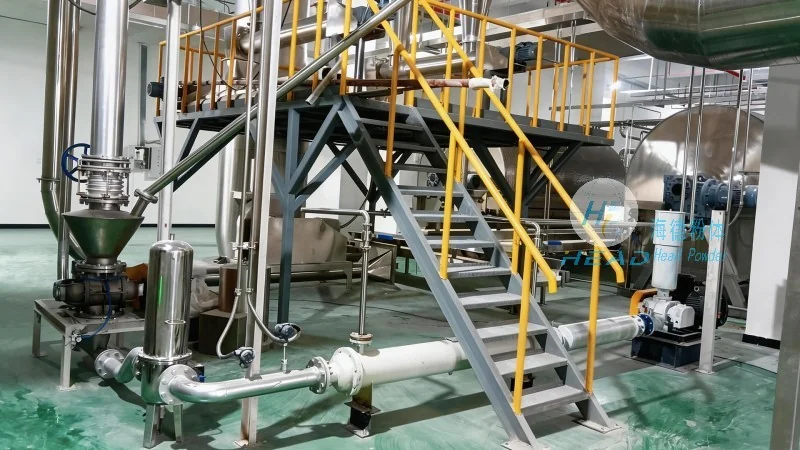
Application Scenarios and Industry Impact
The practical application of yeast powder material handling systems spans various sectors within the food industry. In bakeries, these systems are integral to the production of bread, pastries, and other baked goods, where reliable yeast supply is essential for consistent texture and flavor. Similarly, in the brewing industry, yeast powder handling systems play a vital role in maintaining the quality of beer and other fermented beverages. The systems' ability to handle fine powders with minimal degradation ensures that the final product retains its desired characteristics. Furthermore, in the pharmaceutical and biotechnology sectors, where yeast is used as an ingredient or in research, these systems contribute to maintaining product purity and safety. The adaptability of these systems to different industries underscores their importance in supporting diverse production processes and meeting stringent quality standards.
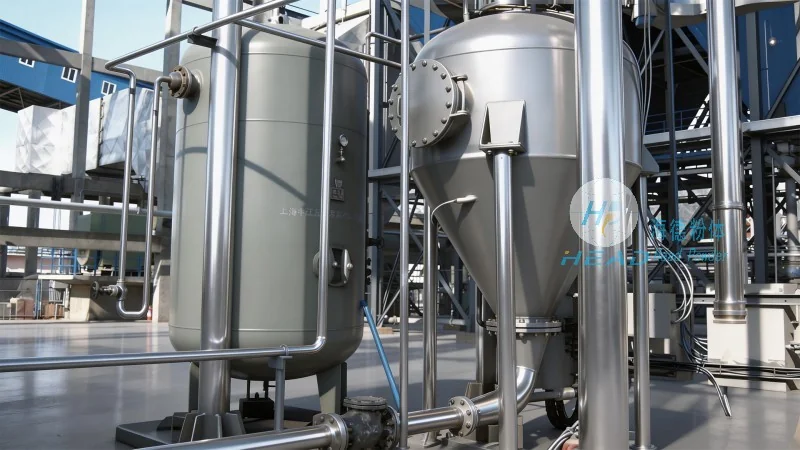
Technical Advancements and Future Trends
Continuous advancements in technology have enhanced the capabilities of yeast powder material handling systems, driving improvements in efficiency and reliability. Modern systems often incorporate automation and control features, such as sensors and programmable logic controllers (PLCs), to monitor and adjust conveying parameters in real-time. This automation not only reduces human error but also optimizes energy consumption and operational costs. Additionally, the integration of data analytics allows for predictive maintenance, enabling proactive troubleshooting and minimizing downtime. As the industry evolves, there is a growing emphasis on sustainable practices, leading to the development of energy-efficient systems and reduced material waste. These technological trends reflect the ongoing commitment to innovation in yeast powder handling, ensuring that systems remain at the forefront of industrial efficiency and safety.
Conclusion
In conclusion, yeast powder material handling systems represent a critical component of modern industrial operations, particularly in the food and beverage sectors. Their design is rooted in fundamental principles of material transport and hygiene, while their operational characteristics are tailored to meet the specific demands of diverse working environments. The integration of advanced technology and adherence to industry standards ensures that these systems deliver consistent performance and contribute to the overall success of production processes. As the industry continues to evolve, the importance of these systems will only grow, making them a cornerstone of efficient and reliable yeast powder management.




