Camellia seed powder conveying systems are integral to the processing and handling of camellia seed products within industrial settings. These systems are engineered to efficiently transport camellia seed powder from storage or processing points to the next stage of production, ensuring consistent flow and minimal product degradation. The fundamental principles of these systems revolve around the selection of appropriate conveying methods, such as pneumatic or mechanical systems, tailored to the physical properties of camellia seed powder. Understanding these principles and operational characteristics is crucial for optimizing processing efficiency and maintaining product quality in applications like oil extraction, food manufacturing, and pharmaceutical production.
Core Components and Working Mechanisms
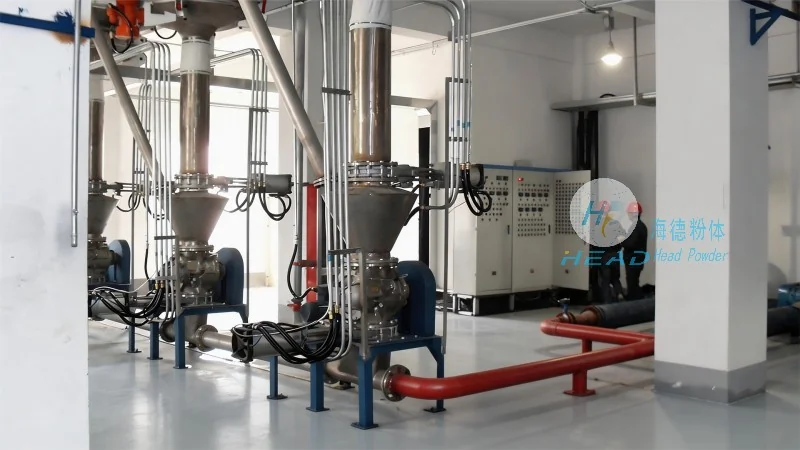
The camellia seed powder conveying system typically comprises several key components, including hoppers, feeders, conveying lines, and control units. The hopper serves as the primary storage and feeding unit, where camellia seed powder is collected and prepared for transport. The feeder, often a rotary valve or screw feeder, regulates the flow rate of powder into the conveying line, ensuring a steady and controlled input. The conveying line itself can be pneumatic, utilizing air pressure to move the powder through pipelines, or mechanical, employing belts, buckets, or screws to physically transport the material. The control system monitors and adjusts parameters like pressure, flow rate, and temperature to maintain optimal operation. The working mechanism involves the transfer of powder through these components, with the system designed to minimize friction, agglomeration, or degradation of the powder during transport.
Operational Characteristics Across Different Environments
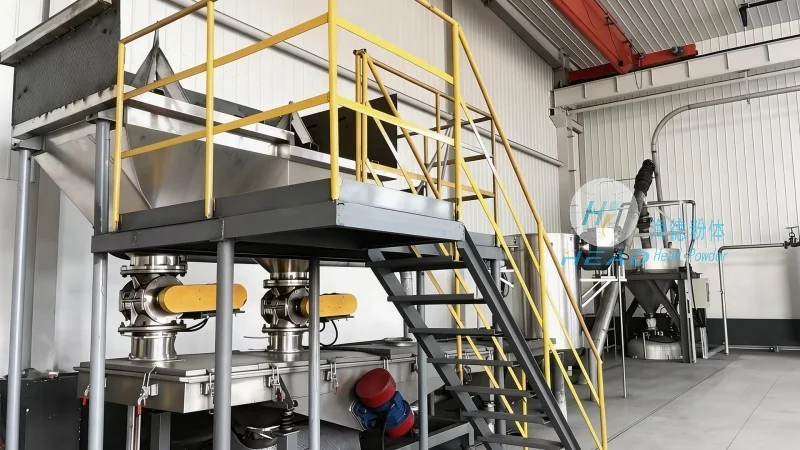
The operational characteristics of camellia seed powder conveying systems vary significantly based on the specific application and environmental conditions. In large-scale industrial facilities, such as oil extraction plants or food processing complexes, these systems must handle high volumes of powder with minimal downtime. The design of the system, including the type of conveying method and component dimensions, is tailored to meet the demands of high-throughput operations. For instance, in a large oil extraction plant, a pneumatic conveying system might be employed to transport camellia seed powder from the processing line to the oil extraction unit, ensuring a continuous flow of raw material. In contrast, smaller-scale processing facilities may utilize mechanical conveying systems, such as screw conveyors, for shorter distances and lower throughput. The operational characteristics also consider factors like powder density, moisture content, and particle size, which can affect conveying efficiency. Systems must be designed to handle variations in these properties to prevent blockages or reduced performance. Additionally, the system's ability to maintain product purity and prevent contamination is critical, especially in food and pharmaceutical applications.
Application Scenarios and Industry Integration
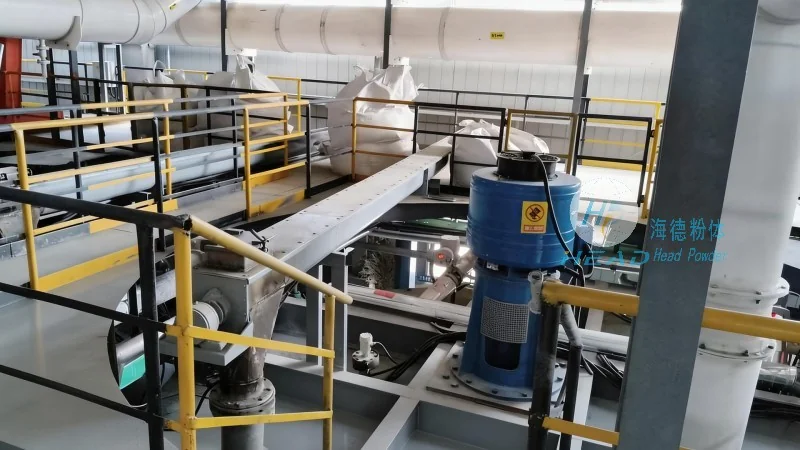
Camellia seed powder conveying systems are widely utilized across multiple industries, including food processing, pharmaceuticals, and chemical manufacturing. In the food industry, these systems are essential for transporting camellia seed powder used in the production of oils, snacks, and dietary supplements. The systems must adhere to strict hygiene and safety standards, ensuring that the powder is handled in a clean, controlled environment. In the pharmaceutical sector, the conveying systems are used to transport camellia seed powder for the production of medicinal products or dietary supplements, where product consistency and purity are paramount. The integration of these systems into larger production lines requires careful coordination with downstream processes, such as grinding, mixing, or packaging. For example, in a food processing plant, the conveying system might be integrated with the grinding and mixing units, allowing for a seamless flow of raw material from the hopper to the final product. The operational characteristics of the system, including speed and pressure control, are adjusted to match the requirements of the downstream processes, enhancing overall production efficiency and reducing the risk of product loss or contamination.
Maintenance and Performance Optimization
Regular maintenance is essential to ensure the reliable and efficient operation of camellia seed powder conveying systems. Components like feeders, conveying lines, and control units require periodic cleaning and inspection to prevent the buildup of powder residue, which can lead to blockages or reduced efficiency. The control system should be checked regularly to verify that flow rates, pressures, and other parameters are being monitored accurately. Advanced monitoring technologies, such as sensors and data loggers, can help identify potential issues before they result in system failures. Optimization strategies may include adjusting the conveying speed, modifying the hopper design to prevent caking, or implementing de-agglomerating devices to maintain powder flowability. By implementing comprehensive maintenance and optimization plans, the conveying system can operate at peak efficiency, minimizing downtime and maximizing the overall productivity of the facility. This approach ensures consistent product quality and reduces operational costs over the long term.
Conclusion
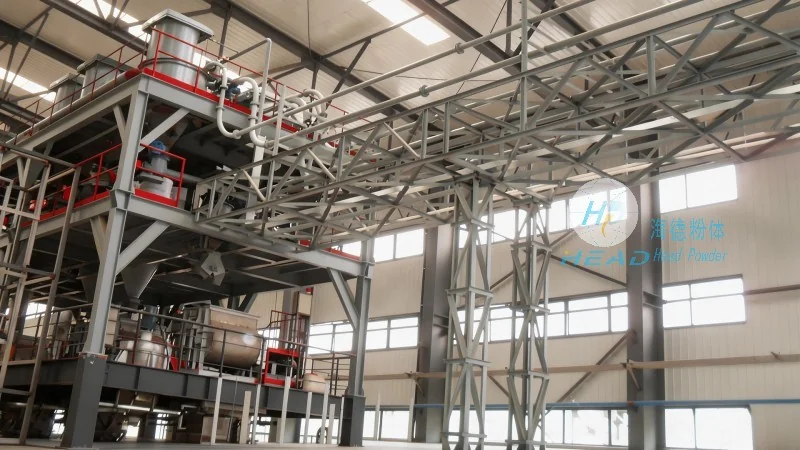
In summary, camellia seed powder conveying systems are critical for the efficient processing and handling of camellia seed products. The principles and operational characteristics of these systems are designed to ensure reliable, consistent transport of the powder while maintaining product quality. By understanding the key components, operational scenarios, and maintenance requirements, operators can optimize the system to meet the demands of their specific applications. The integration of these systems into larger production lines enhances overall efficiency and productivity, making them indispensable in modern industrial operations. Proper design, maintenance, and optimization of the conveying system are essential for achieving long-term operational success and meeting the evolving needs of the industry.




