When it comes to transporting biomass materials, selecting the right conveying method is crucial for efficiency, cost-effectiveness, and operational reliability. Biomass, which includes materials like wood chips, agricultural residues, and other organic matter, requires specialized handling due to its varying properties such as moisture content, particle size, and bulk density. Among the various options available, pneumatic conveying stands out as a highly effective solution, offering several advantages that make it a preferred choice for many industries. This article explores the different biomass conveying methods and highlights the key benefits and characteristics of pneumatic conveying systems.
Common Biomass Conveying Methods
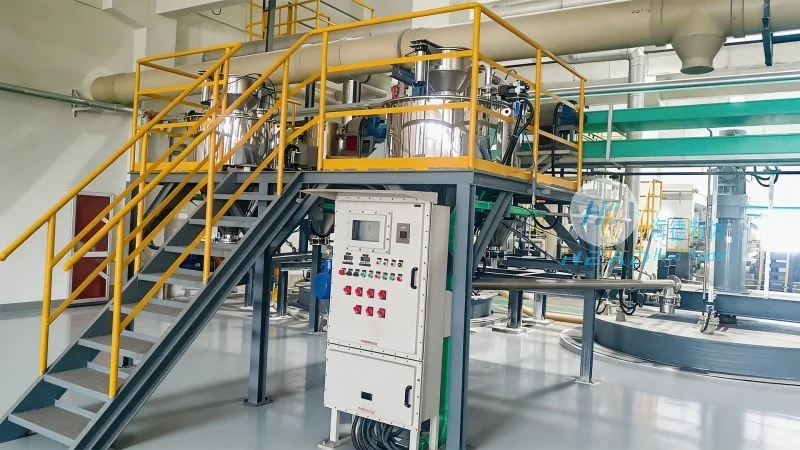
Before delving into the specifics of pneumatic conveying, it's important to understand the primary methods used for biomass transport. The main categories include mechanical conveying systems, such as belt conveyors, screw conveyors, and bucket elevators, and pneumatic conveying systems. Mechanical systems are often suitable for short distances and lower material volumes, but they may face challenges with abrasive or sticky biomass materials. In contrast, pneumatic conveying uses air to move materials through a pipeline, making it ideal for long-distance transport and handling a wide range of biomass types.
Pneumatic Conveying: How It Works
Pneumatic conveying systems operate by creating a flow of air within a pipeline, which then transports the biomass particles. There are two main types of pneumatic conveying: dilute-phase and dense-phase. Dilute-phase systems use high air velocities to keep the material suspended in the air stream, while dense-phase systems use lower air velocities to move the material in a more concentrated form. The choice between these two depends on the specific application, material characteristics, and distance to be covered. For biomass applications, dilute-phase systems are often preferred due to their ability to handle a wide range of particle sizes and moisture content.
Advantages of Pneumatic Conveying for Biomass
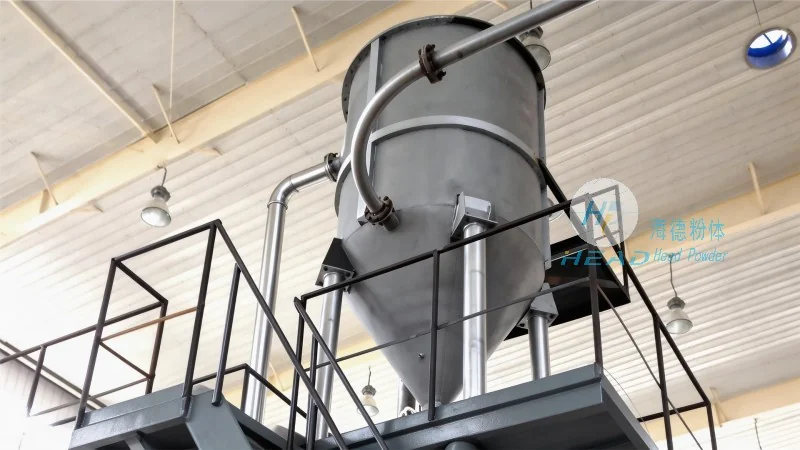
There are several key advantages of using pneumatic conveying for biomass transport. First, it offers a high degree of flexibility in terms of layout and distance. Pneumatic systems can transport materials over long distances, even vertically, without the need for multiple transfer points or complex machinery. This makes it suitable for large-scale biomass processing facilities where materials need to be moved from storage to processing units or from processing to storage. Second, pneumatic conveying is highly efficient in terms of energy consumption. By using air to move the material, the system minimizes the need for mechanical components that would otherwise require significant power input. This results in lower operational costs and reduced energy consumption compared to traditional mechanical systems.
Third, pneumatic conveying provides excellent material handling capabilities. Unlike mechanical systems that may cause material degradation or segregation, pneumatic systems maintain the integrity of the biomass particles. This is particularly important for biomass that is used as a fuel source, as maintaining the particle size and moisture content is crucial for efficient combustion. Additionally, pneumatic conveying can handle materials with high moisture content without clogging or blocking the system, which is a common issue with mechanical conveyors.
Key Features of Pneumatic Conveying Systems
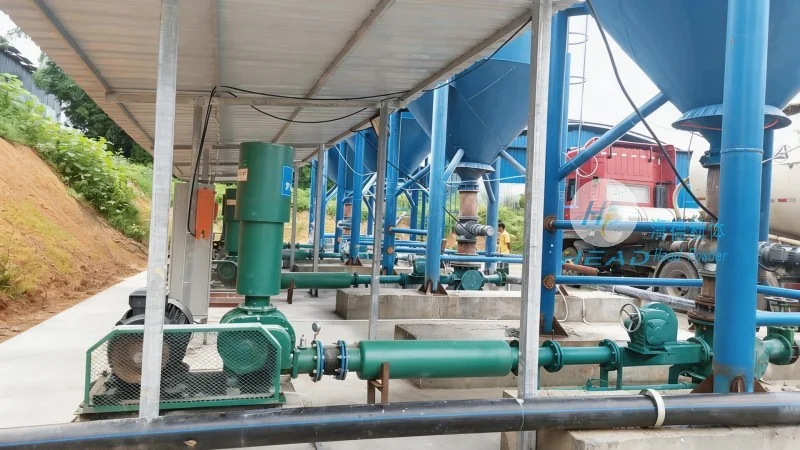
When considering pneumatic conveying systems for biomass applications, several key features should be evaluated. One of the most important is the system's capacity and flow rate. The capacity of a pneumatic system is determined by the air velocity and the size of the pipeline, and it must be matched to the specific material and processing requirements. Another critical feature is the system's ability to handle varying material characteristics. Pneumatic systems can be designed to accommodate different particle sizes, shapes, and moisture levels, making them versatile for various biomass types. Additionally, the system's durability and maintenance requirements are important factors to consider. High-quality pneumatic systems, such as those offered by Shandong HeadPowder Engineering Co., Ltd., are built with robust materials and components that can withstand the harsh conditions of biomass handling, ensuring long-term reliability and minimal downtime.
Conclusion
In conclusion, pneumatic conveying is a highly effective and versatile method for transporting biomass materials. Its advantages, including flexibility, efficiency, and material handling capabilities, make it an ideal choice for many industries. By understanding the different biomass conveying methods and the key features of pneumatic systems, businesses can make informed decisions about the best conveying solution for their specific needs. For companies looking to implement or upgrade their biomass conveying systems, Shandong HeadPowder Engineering Co., Ltd. provides reliable and efficient solutions tailored to the unique requirements of each project.




