HeadPowder, a leading provider of dry mortar technology solutions, specializes in the efficient transport of powder materials within the dry mortar industry. This article explores the fundamental principles behind powder transport systems and highlights key characteristics of their application scenarios, offering insights into how these systems enhance operational efficiency and material handling capabilities in various industrial settings.
Understanding the Core Principles of Powder Transport
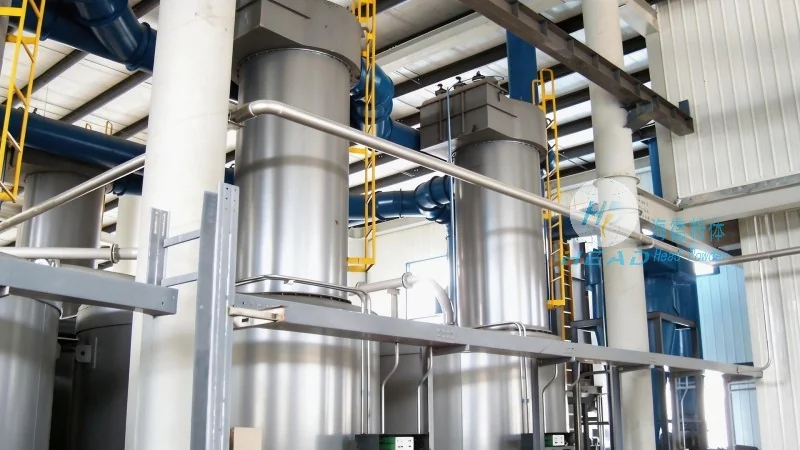
Powder transport in dry mortar systems relies on advanced engineering principles to ensure reliable and consistent material movement. The primary goal is to move bulk powders, such as cement, sand, and additives, from storage to processing or application points without degradation or loss. Two main categories of transport methods are commonly employed: pneumatic (air-assisted) and mechanical (conveyor-based) systems. Pneumatic systems utilize compressed air to create a flow that carries the powder particles through pipelines, while mechanical systems use belts, screws, or other mechanisms to transport materials in a controlled manner. Each method has distinct advantages and is selected based on factors like material properties, distance, and environmental requirements.
Key Working Scenarios and Their Characteristics
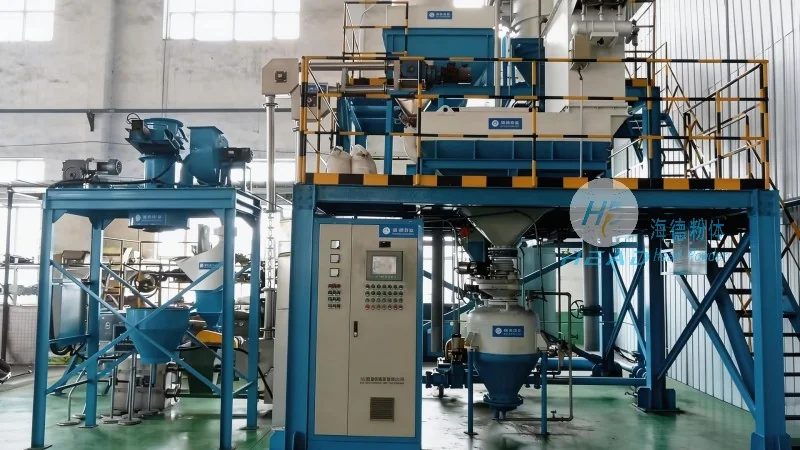
The application scenarios for powder transport systems in dry mortar production vary widely, reflecting the diverse needs of construction and manufacturing industries. In large-scale industrial plants, for instance, continuous and high-volume transport is essential to support automated production lines. These scenarios often involve complex networks of pipelines and automated control systems to maintain consistent flow rates and prevent material buildup. On the other hand, construction sites and smaller-scale production facilities may require more flexible and portable transport solutions. These systems might include portable pneumatic conveyors or mobile screw conveyors, designed to adapt to changing work environments and accommodate varying material volumes. The choice of transport method and equipment is critical in ensuring that the powder remains in optimal condition, free from moisture or contamination, which is vital for maintaining the quality of the final dry mortar products.
Technical Considerations for Optimal Performance
Effective powder transport in dry mortar systems requires careful consideration of several technical factors. Material properties, such as particle size, density, and moisture content, significantly influence the selection of transport equipment. For example, fine powders like cement may require higher air pressure in pneumatic systems to prevent clogging, while coarser materials like sand can be handled more efficiently with mechanical conveyors. Additionally, the design of pipelines and components must account for the potential for material segregation or agglomeration, which can impact flow consistency. Advanced materials and coatings are often used to prevent corrosion and ensure long-term durability, especially in environments with high humidity or abrasive materials. The integration of sensors and control systems further enhances performance by monitoring flow rates, pressure, and temperature in real-time, allowing for immediate adjustments to maintain optimal conditions.
Application Examples and Industry Impact
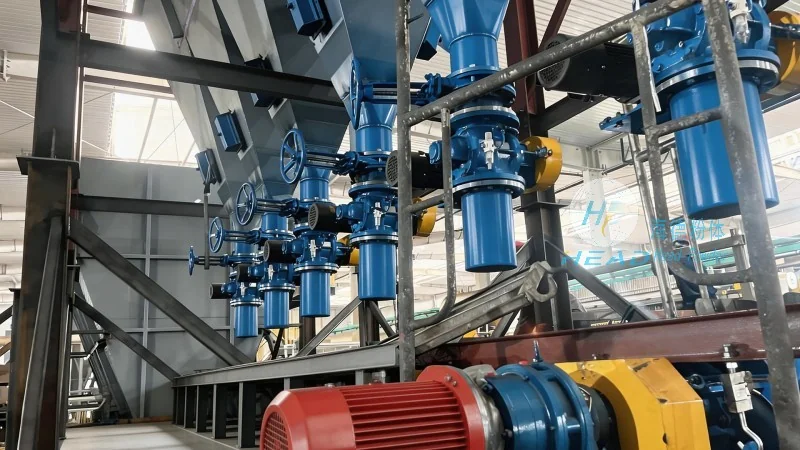
Real-world applications of powder transport systems in dry mortar production illustrate their critical role in modern construction and manufacturing. In a typical dry mortar plant, raw materials are first stored in silos and then transported via pneumatic systems to mixing units. This ensures a continuous supply of materials, reducing downtime and improving production throughput. At construction sites, portable conveyors are used to move dry mortar mixes from storage to application areas, enabling workers to apply materials efficiently and with minimal waste. The reliability of these transport systems directly impacts the quality of the final products, as any inconsistencies in material delivery can affect the strength and durability of the mortar. By optimizing powder transport, companies like Shandong HeadPowder Engineering Co., Ltd. help clients achieve higher productivity, lower operational costs, and improved product quality, contributing to the overall efficiency of the dry mortar industry.




