Understanding the principles and application scenarios of dry sludge powder conveying is crucial for optimizing waste management processes in various industrial and municipal settings. This article explores the fundamental mechanisms behind dry sludge handling and highlights the key characteristics of different operational environments where such systems are deployed.
Core Principles of Dry Sludge Powder Conveying
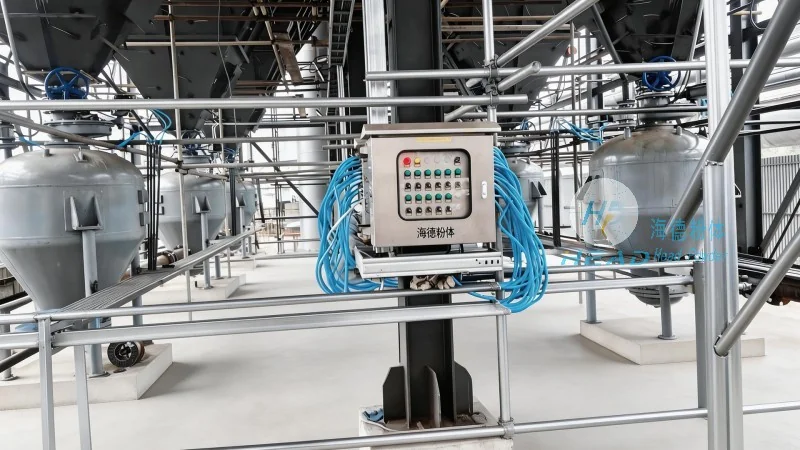
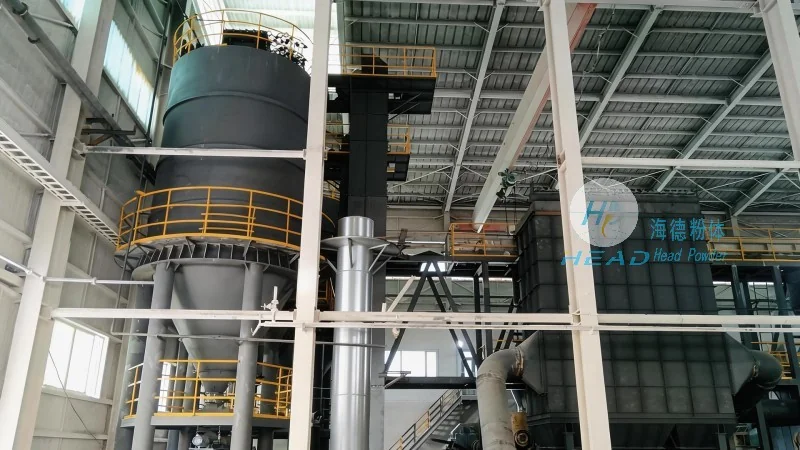
Dry sludge powder conveying typically relies on pneumatic or mechanical systems designed to transport solid waste materials in a dry, particulate form. The primary principle involves converting wet or semi-wet sludge into a dry, free-flowing powder through dewatering and drying processes. Once in powder form, the material can be efficiently transported using air or mechanical forces, minimizing moisture content and enabling more effective handling and disposal. The system often integrates components such as sludge dewatering equipment, drying units, and conveying mechanisms to ensure consistent performance and material quality. Key factors influencing the conveying process include particle size distribution, moisture content, and the specific properties of the sludge, which must be tailored to the chosen conveying technology.
Working Scene Characteristics of Dry Sludge Powder Conveying Systems
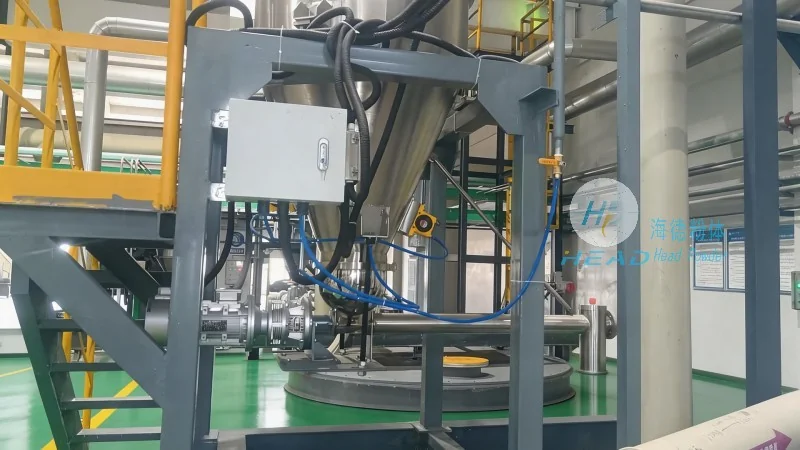
Dry sludge powder conveying systems are deployed across diverse industrial and municipal applications, each with distinct operational characteristics that impact system design and performance. In municipal wastewater treatment plants, these systems are commonly used to transport dried sludge from dewatering units to storage or disposal sites, ensuring efficient removal of excess water and facilitating downstream processing. Industrial applications, such as in food processing or pharmaceutical manufacturing, may involve the handling of sludge generated from production processes, where dry powder conveying helps maintain hygiene and prevent contamination. The working scene characteristics also include considerations of space constraints, material flow rates, and environmental regulations, which dictate the choice between pneumatic and mechanical conveying methods. For example, high-volume applications may favor pneumatic systems due to their ability to handle large quantities over long distances, while smaller-scale operations might opt for mechanical solutions like screw conveyors or belt conveyors. Additionally, the presence of hazardous materials or strict emission controls can influence the selection of materials for the conveying equipment and the overall system design.
Company Overview: Shandong HeadPowder Engineering Co., Ltd.
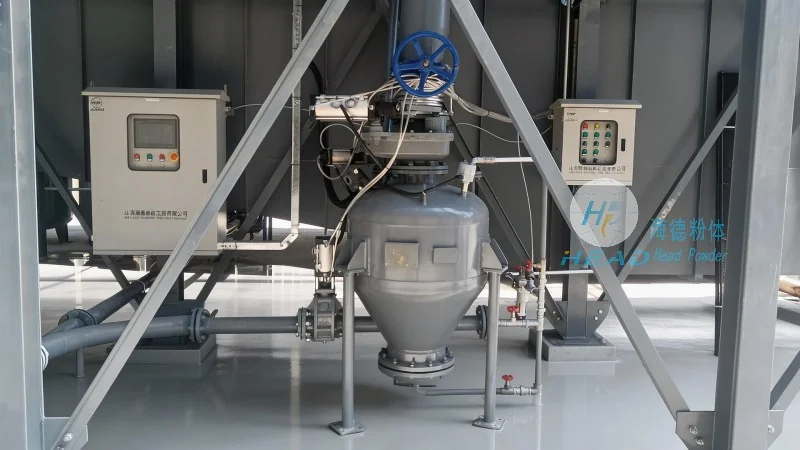
Shandong HeadPowder Engineering Co., Ltd., operating under the brand name headpowder, specializes in the design, manufacturing, and implementation of advanced dry sludge powder conveying solutions. With a focus on innovation and customer-centric engineering, the company provides tailored systems that address the unique challenges of sludge handling in various industries. HeadPowder's expertise lies in integrating cutting-edge technologies, such as high-efficiency dewatering and drying equipment, with reliable conveying mechanisms to deliver sustainable and efficient waste management solutions. The company's operations are based in Shandong, China, where it leverages local resources and industry knowledge to support clients globally. By prioritizing quality, reliability, and environmental compliance, HeadPowder ensures that its dry sludge powder conveying systems meet the highest standards of performance and safety.




