Polymers such as polytetrafluoroethylene (PTFE) are widely utilized in industrial applications due to their exceptional chemical resistance, thermal stability, and non-stick properties. When handling PTFE powder, efficient and reliable conveying systems are essential to preserve product quality and ensure operational safety. This article examines the fundamental principles underlying PTFE powder conveying and highlights key characteristics of the working environments where such systems are commonly employed. The content is presented by Shandong HeadPowder Engineering Co., Ltd., a leading provider of specialized powder handling solutions based in Shandong, China.
Core Principle of PTFE Powder Conveying
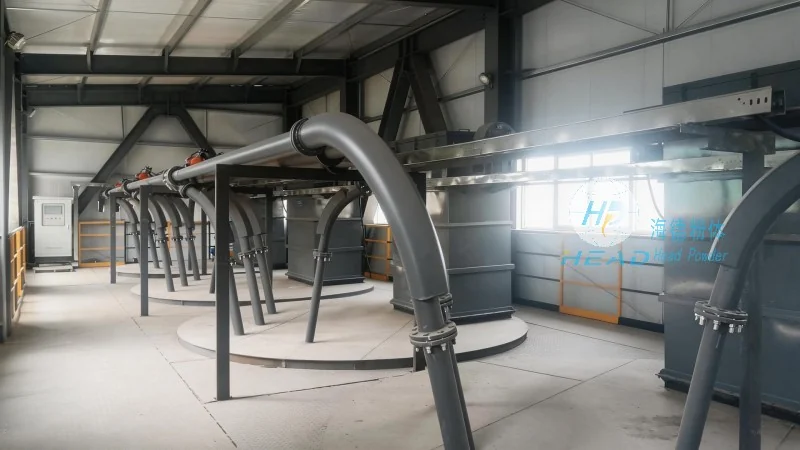
The primary principle of PTFE powder conveying involves the use of mechanical or pneumatic methods to transport the fine powder from a source to a destination. For PTFE, typically in a dry and free-flowing form, the choice of conveying method depends on factors like particle size, moisture content, and required flow rate. Mechanical conveying systems, including screw conveyors and belt conveyors, are commonly employed for bulk PTFE powder due to their ability to handle large volumes with minimal air exposure. Pneumatic conveying, which uses air pressure or vacuum to move the powder through pipelines, offers advantages in terms of flexibility and reduced contamination risk. Selecting the appropriate conveying principle is critical to ensure consistent performance and to prevent issues such as clogging or degradation of the PTFE particles.
Working Scene Characteristics and Application Scenarios
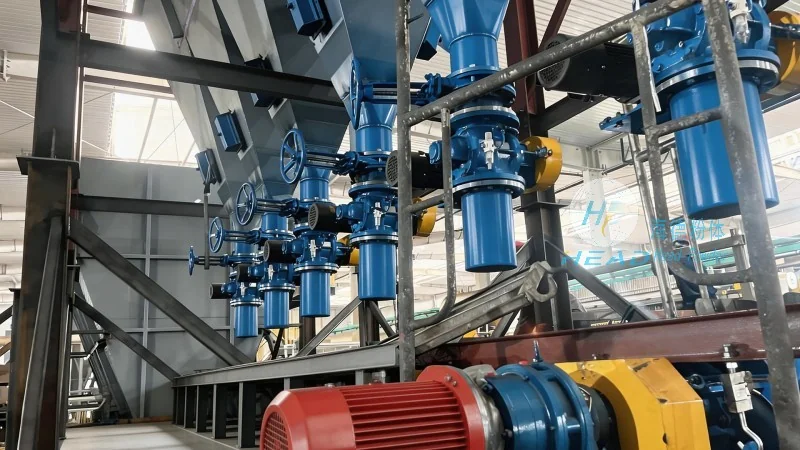
PTFE powder conveying systems are typically deployed in industrial settings where high purity and contamination control are paramount. These working scenes often include manufacturing facilities for PTFE-based products like coatings, seals, and bearings. The characteristics of these environments include stringent cleanliness standards, strict temperature and humidity control, and the need for dust-free operations. For instance, in a PTFE coating plant, the powder is conveyed from storage silos to mixing and extrusion equipment. The working environment must be free from moisture and other contaminants to maintain the integrity of the PTFE material. Another common scenario is in the production of PTFE-lined components, where the powder is transported to a compounding line for further processing. In these applications, the conveying system must be designed to handle the fine, abrasive nature of PTFE powder without causing wear or degradation.
Technical Considerations for Efficient PTFE Powder Handling
Efficient PTFE powder handling requires careful consideration of several technical factors. First, the material's low friction coefficient and tendency to form agglomerates can affect flow characteristics. To mitigate this, many systems incorporate agitators or vibrators to break up clumps and ensure smooth flow. Second, the choice of equipment materials is crucial. PTFE itself is often used for internal components of conveying systems to prevent adhesion and ensure easy cleaning. Stainless steel or other corrosion-resistant materials are used for external parts to withstand the industrial environment. Third, the system design must account for the powder's density and bulk density, as these affect conveying velocity and energy consumption. Proper sizing of conveyor components, such as screw diameter and pitch, is essential to achieve optimal performance. Additionally, integration of dust collection and filtration systems is necessary to maintain air quality and comply with environmental regulations. These technical considerations are vital for ensuring long-term reliability and efficiency of PTFE powder conveying systems.
Company Profile and Expertise
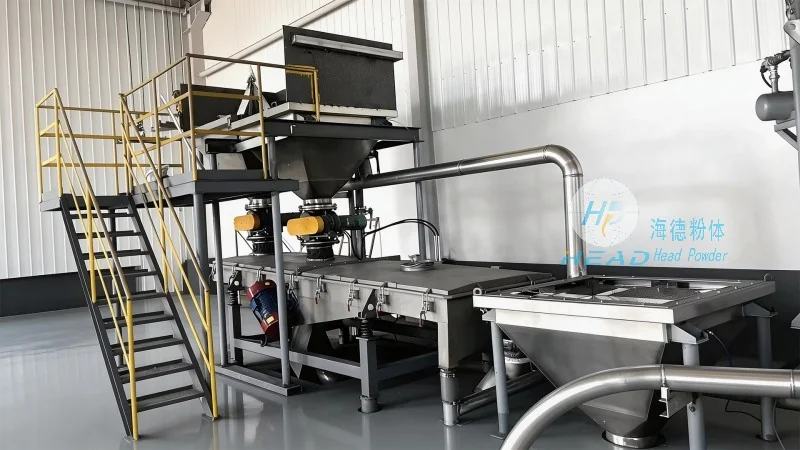
Shandong HeadPowder Engineering Co., Ltd., headquartered in Shandong, China, specializes in the design and manufacturing of advanced powder handling systems tailored to the unique needs of PTFE and other specialty polymers. With years of industry experience, the company has developed a deep understanding of the challenges associated with PTFE powder conveying, including its low flowability and sensitivity to moisture. HeadPowder engineers collaborate closely with clients to assess specific requirements and provide customized solutions that meet both operational and regulatory standards. The company's commitment to quality and innovation has established it as a trusted partner in the field of powder processing technology. By leveraging cutting-edge design and manufacturing capabilities, HeadPowder ensures its conveying systems deliver reliable performance and contribute to overall industrial process efficiency.




