

Principles and Operational Scenarios of Nanoparticle Calcium Carbonate Powder Handling
For industrial applications, the efficient and reliable handling of nanoparticle calcium carbonate powder is crucial. This article explores the underlying principles of powder transport and the key operational characteristics of such systems, providing insights into how these technologies are applied in practical scenarios.
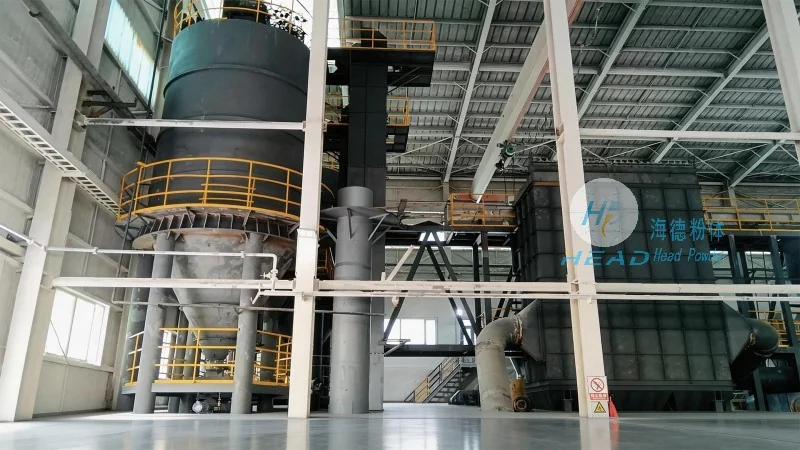
About Shandong HeadPowder Engineering Co., Ltd.
As a leading provider in the field, Shandong HeadPowder Engineering Co., Ltd. specializes in the design, manufacturing, and implementation of advanced powder handling solutions. With a focus on precision and performance, the company serves a diverse range of industries requiring high-quality nanoparticle calcium carbonate powder transport systems.
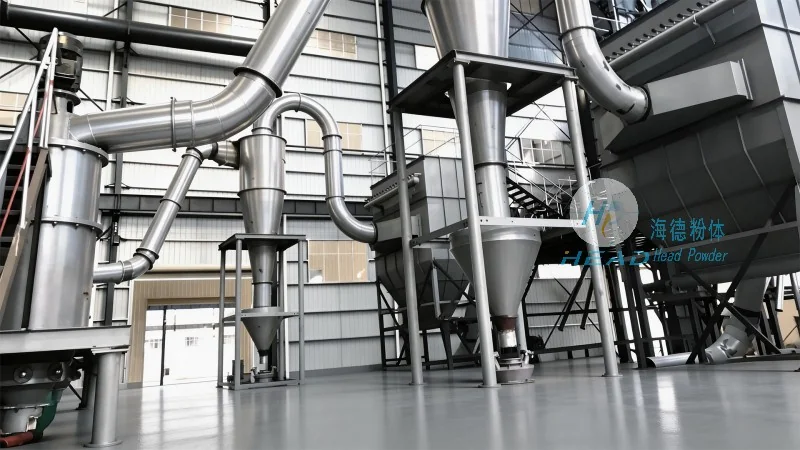
The Principles of Nanoparticle Calcium Carbonate Powder Transport
The transport of nanoparticle calcium carbonate powder involves several critical principles to ensure optimal performance. Key factors include particle size distribution, flow properties, and the design of the conveying system. Nanoparticles, due to their small size and high surface area, exhibit unique flow characteristics that require specialized equipment to manage effectively. The primary goal is to maintain a consistent flow rate while minimizing particle agglomeration and degradation. This is achieved through the use of positive displacement pumps, screw conveyors, and pneumatic conveying systems, each tailored to the specific demands of the application.
Key Operational Characteristics in Working Scenarios
When considering the operational characteristics of nanoparticle calcium carbonate powder handling systems, several factors come into play. The first is the need for low-pressure, high-volume transport, which is essential for maintaining the integrity of the powder. This often involves the use of vacuum or pressure-assisted conveying methods. Another critical aspect is the prevention of dust generation and contamination, as nanoparticle calcium carbonate is sensitive to environmental factors. Advanced sealing and filtration systems are integrated into the design to ensure a clean and safe handling process. Additionally, the system must be capable of handling varying particle sizes and moisture content, which can affect flowability and transport efficiency. Regular maintenance and monitoring are also essential to ensure long-term reliability and performance.

Application Scenarios and Industry Use Cases
Nanoparticle calcium carbonate powder handling systems are widely used in various industries, including plastics, paper, and coatings. In the plastics industry, these powders are used as a filler to enhance the mechanical properties of polymers. The efficient transport of these powders is vital to maintain consistent product quality and reduce downtime. In the paper industry, nanoparticle calcium carbonate is used as a coating pigment, and the ability to handle it in a controlled manner ensures uniform coating thickness and improved paper quality. The coatings industry also benefits from the use of these powders, as they provide enhanced durability and surface finish. Each of these applications requires a tailored approach to powder transport, ensuring that the system meets the specific requirements of the end product.