When it comes to managing carbon additive powder in industrial applications, selecting the appropriate pneumatic conveying system is crucial for efficiency, safety, and cost-effectiveness. Carbon additive powders, such as those used in steelmaking and other metallurgical processes, require specialized handling solutions to ensure reliable transport from storage to processing equipment. This guide outlines key considerations to help you choose the most suitable pneumatic conveying system for your specific carbon additive powder handling needs.
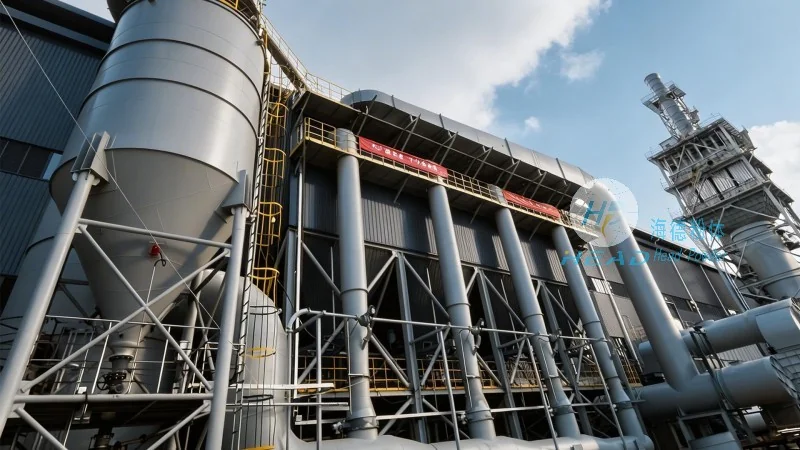
HeadPowder, a leading provider of engineering solutions for powder handling, understands the unique challenges associated with carbon additive powders. Based in Shandong, China, our company has extensive experience in designing and implementing pneumatic conveying systems tailored to the demands of industrial operations. Our expertise ensures that the systems we recommend are not only efficient but also compliant with industry standards and safety regulations.
Before selecting a pneumatic conveying system, it is essential to evaluate several factors that directly impact performance and suitability. The first consideration is the type of carbon additive powder being handled. Different powders have varying properties, including particle size, density, and moisture content, which influence the choice of system. For instance, fine powders may require high-pressure systems to maintain flow, while coarser materials might benefit from low-pressure or vacuum systems. Understanding these characteristics is the foundation for an effective selection process.
Another critical factor is the distance and layout of the conveying route. The length and complexity of the system, including vertical and horizontal runs, will determine the required system pressure and capacity. A well-designed system should minimize pressure drop and ensure consistent material flow, preventing issues like blockages or uneven distribution. HeadPowder engineers conduct thorough site assessments to map the conveying path and recommend the optimal system configuration.
System capacity is also a key consideration. The throughput requirements of your operation will dictate the size and type of equipment needed. Whether you need to handle small batches or continuous flow, the system must be capable of meeting your production demands without bottlenecks. Our team at HeadPowder works closely with clients to analyze their production schedules and scale requirements, ensuring the selected system aligns with operational goals.
Energy efficiency is another important aspect to consider when choosing a pneumatic conveying system. Modern systems often incorporate energy-saving technologies, such as variable frequency drives and optimized air flow management, to reduce operational costs. By selecting an energy-efficient system, you can enhance your bottom line while minimizing environmental impact. HeadPowder’s systems are designed with sustainability in mind, offering long-term cost savings and reduced carbon footprint.
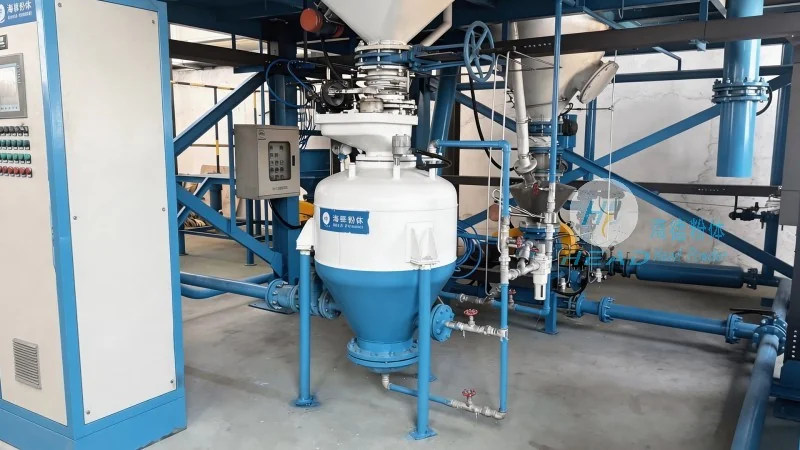
Reliability and maintenance are also critical factors in system selection. A system that requires frequent maintenance or has high downtime can disrupt production and increase costs. HeadPowder recommends systems with robust components and easy access for maintenance, ensuring minimal interruptions. Our products are built with high-quality materials and rigorous testing to ensure long-term reliability.
Regulatory compliance is a non-negotiable aspect of industrial operations, especially when handling materials like carbon additives. The chosen system must adhere to local and international safety standards, including dust explosion prevention and material handling regulations. HeadPowder ensures that all our systems meet or exceed these requirements, providing peace of mind to our clients.
Cost is a significant factor for any investment, and the total cost of ownership (TCO) should be evaluated when selecting a pneumatic conveying system. This includes initial installation costs, ongoing maintenance, energy consumption, and potential downtime. While a more expensive system may have higher upfront costs, it often offers better performance and lower long-term expenses. HeadPowder provides detailed cost analyses to help clients make informed decisions that balance initial investment with long-term savings.
After evaluating these factors, the next step is to consider the specific types of pneumatic conveying systems available. The two primary categories are pressure and vacuum systems. Pressure systems use compressed air to push material through the pipeline, while vacuum systems use suction to draw material from the source. Each type has its advantages and is suitable for different applications.
Pressure systems are commonly used for long-distance or high-capacity conveying. They are ideal for applications where the material needs to be transported over significant distances or where high flow rates are required. These systems typically operate at higher pressures, which can be more energy-intensive but offer greater control over material flow. HeadPowder specializes in high-pressure pressure systems that can handle a wide range of carbon additive powders efficiently.
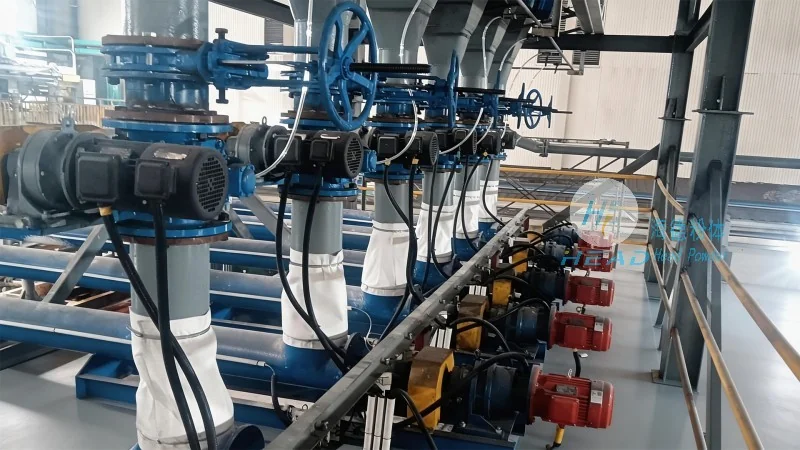
Vacuum systems, on the other hand, are better suited for shorter distances or when the material needs to be collected from multiple points. They are often used in applications where the material is to be transported from a hopper or silo to processing equipment. Vacuum systems are generally more energy-efficient for shorter runs and can handle finer powders without the risk of blockages. HeadPowder offers both pressure and vacuum systems, allowing clients to choose the most appropriate solution based on their specific needs.
For applications involving carbon additive powders, the choice of system may also depend on the presence of dust and the need for explosion protection. Many industrial environments require systems that can prevent dust explosions, which can be life-threatening and cause significant damage. HeadPowder’s systems incorporate explosion-proof designs and dust collection mechanisms to ensure safety. These features are particularly important in steelmaking and other high-risk environments where carbon additives are used.
Additionally, the system’s integration with existing infrastructure is a critical consideration. Many industrial facilities have existing storage and processing equipment that must be connected to the new conveying system. HeadPowder’s engineers work with clients to ensure seamless integration, minimizing disruptions during installation and operation. This includes matching the system’s specifications with the existing equipment, such as hoppers, silos, and processing machinery.
Training and support are also essential components of a successful system implementation. HeadPowder provides comprehensive training to operators and maintenance personnel to ensure proper system operation and maintenance. Our team is available for ongoing support, addressing any issues that may arise and providing technical assistance as needed. This level of support ensures that the system operates at peak performance throughout its lifecycle.
Choosing the right pneumatic conveying system for your carbon additive powder handling process is a decision that requires careful evaluation of multiple factors. By considering the type of powder, conveying distance, capacity, energy efficiency, reliability, and regulatory compliance, you can select a system that meets your operational needs while delivering long-term benefits. HeadPowder, with its expertise and commitment to quality, is the ideal partner to help you navigate this process and implement a system that enhances your industrial operations.




